

Why this comparison is often oversimplified in the market
The market loves phrases such as 'gas block is warmer' or 'monolith is stronger.' These formulas are too crude. Both technologies can produce a strong, durable, comfortable house. The real question is which architectural task they are used for, in what seismic and engineering context, and with what level of execution quality.
Thermal comfort does not come from the wall material alone, but from the full enclosure system: insulation, facade, windows, junctions, and ventilation. Structural reliability also does not exist separately from engineering calculations, reinforcement, foundation design, and construction discipline. That is why the question 'which is better?' usually has to be replaced with 'which is a better fit for this specific project?'.
Where gas block is often the rational choice
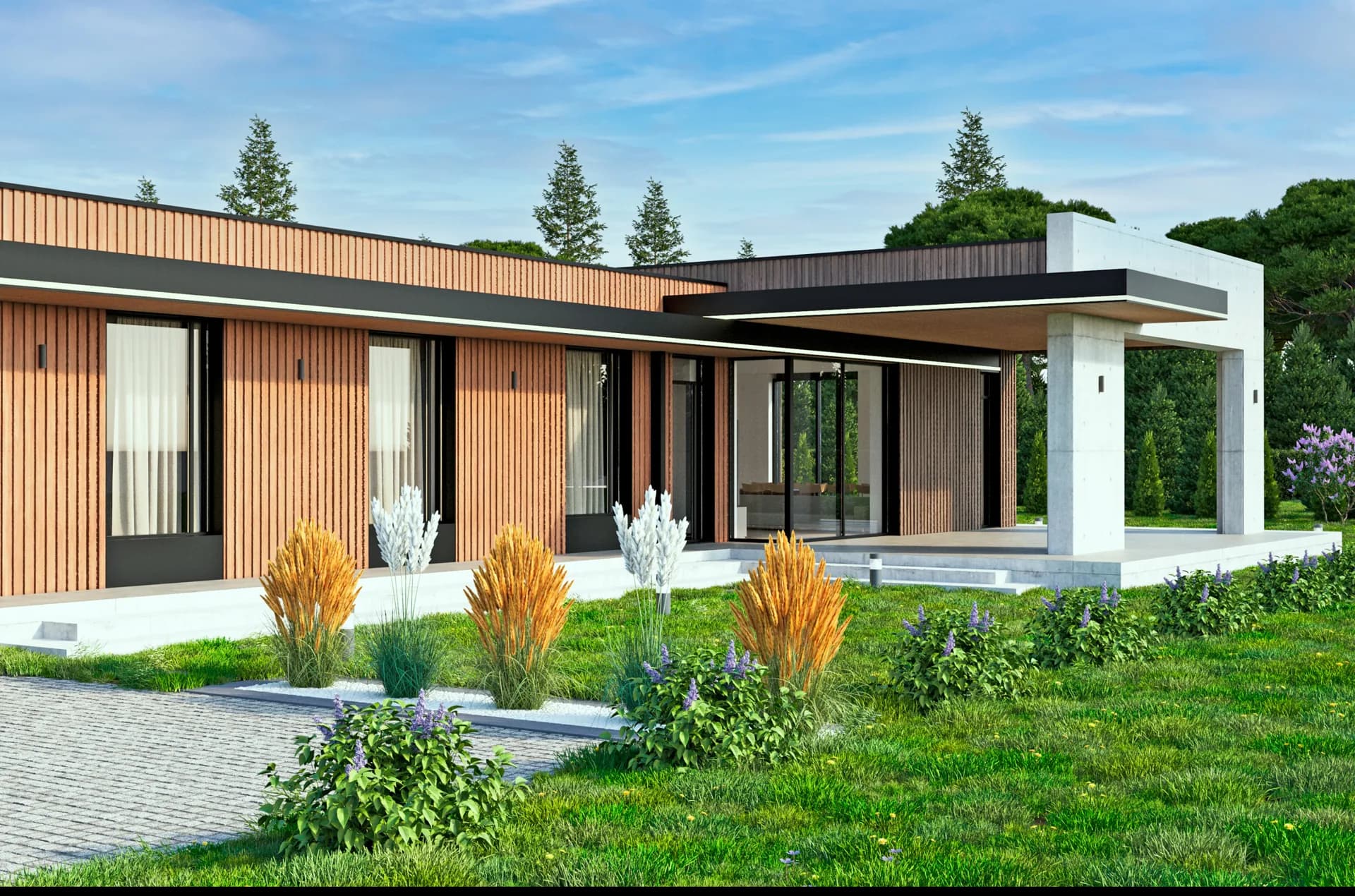
Gas block is reasonable for projects with relatively typical architecture, where the house can work through load-bearing walls or a simpler structural scheme. If the layout does not require large open spans, cantilevers, and complex spatial plasticity, gas block helps assemble the shell faster and often keeps the structural budget more rational.
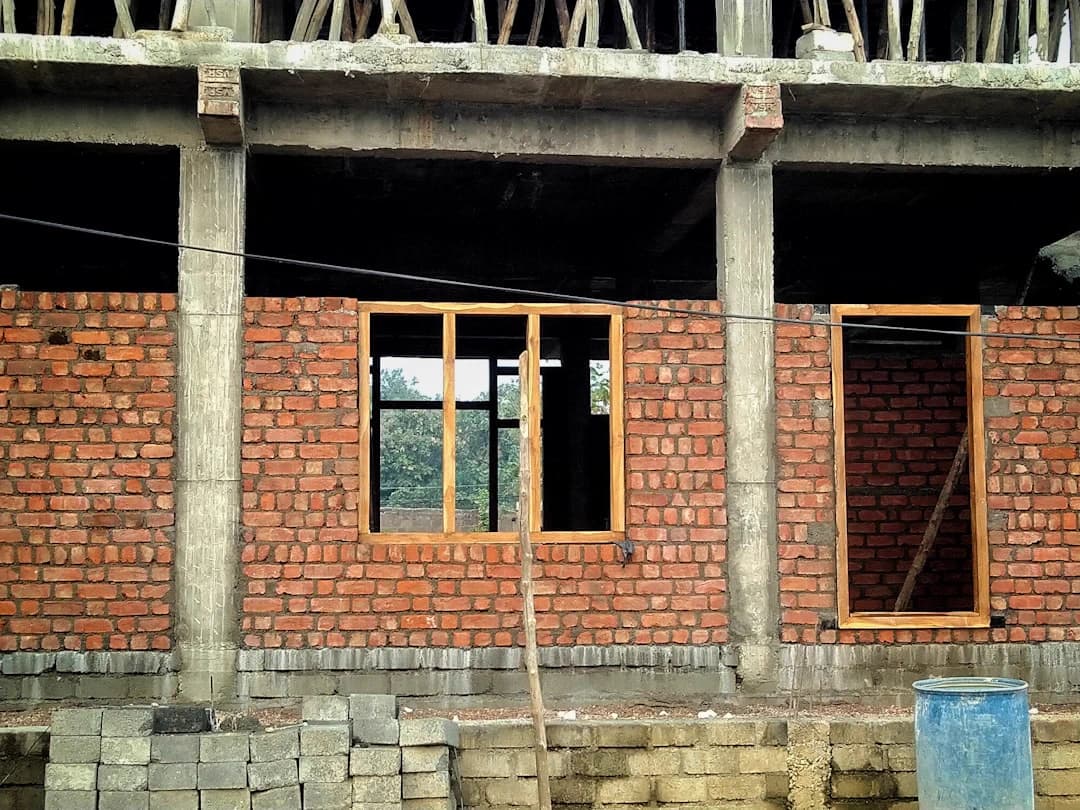
Gas block really does have a strong thermal-performance advantage. But that advantage only works with good execution: thin joints, correct reinforcement, no thermal bridges, and proper moisture and vapor control. Poor masonry quickly cancels out exactly what the client chose gas block for.
If the project has a clear room logic, moderate spans, and no ambition to turn the house into a complex architectural sculpture, gas block is often not a cheap simplification but a mature rational decision.
Where monolith is often the rational choice
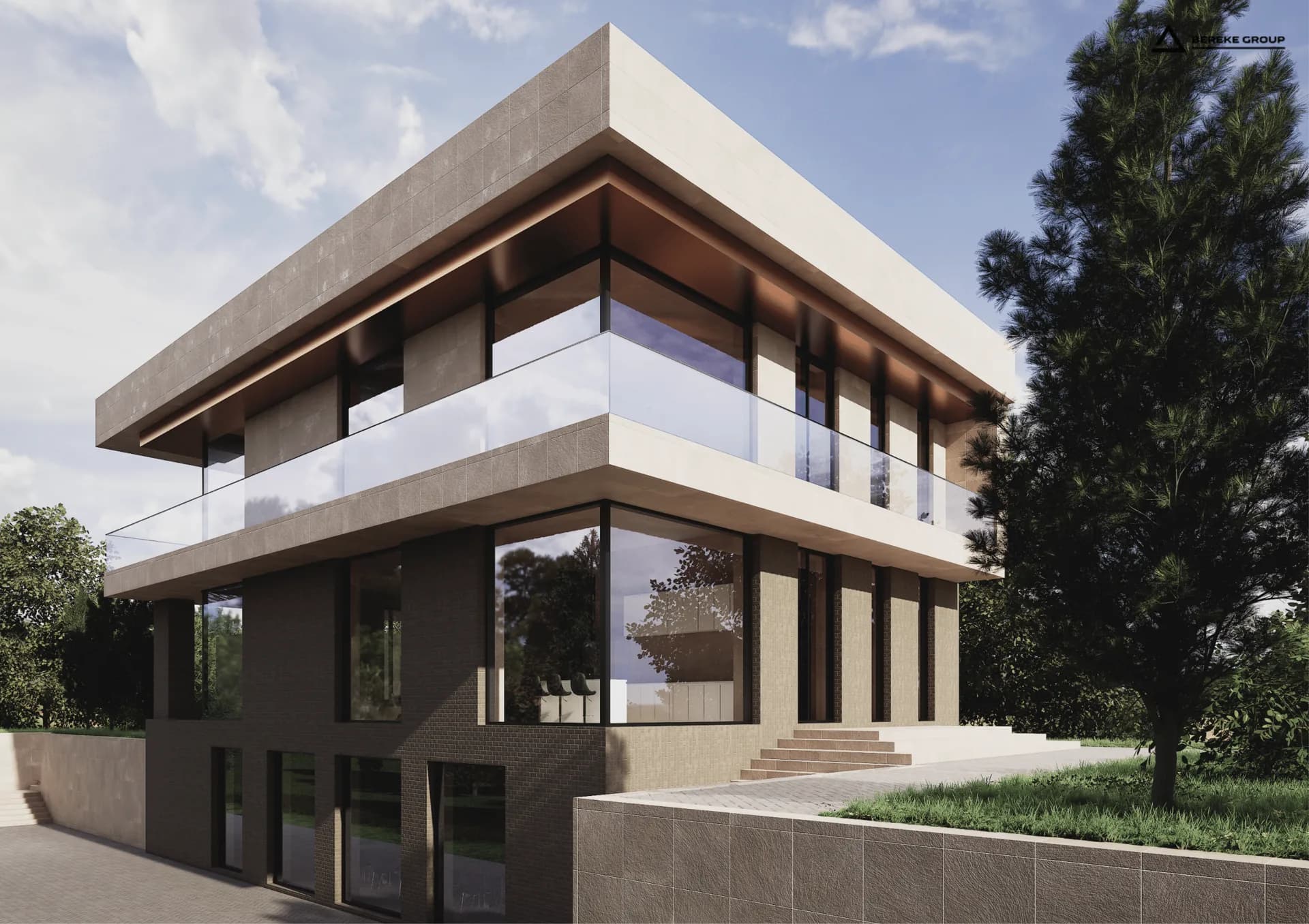
Monolith becomes the logical solution where the project needs architectural freedom: large spans, open studio zones, complex geometry, cantilevers, active work with terrain, large glazing areas, and expressive spatial form. In these cases, trying to force the project into gas block often ends with extra columns, compromised layouts, and the loss of the original design idea.
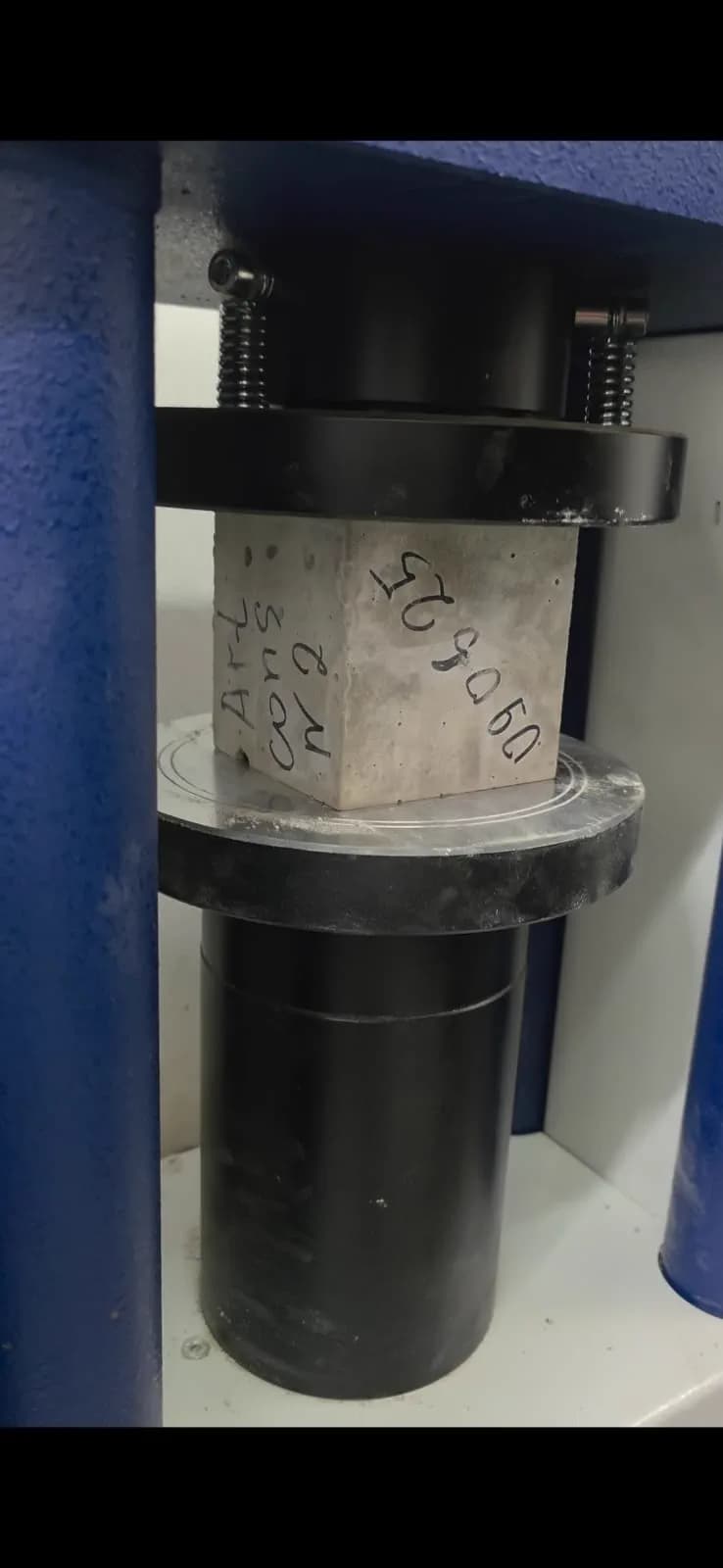
In Almaty's seismic context, a monolithic frame with proper calculations and reinforcement remains a clear and reliable structural system. But the material itself should not be romanticized: poor concrete, weak reinforcement, and broken pouring technology do not create safety, they create future risk.
Yes, a monolithic structure is more expensive and takes longer. But if the project actually needs that level of freedom and rigidity, rejecting monolith may become false savings with more expensive consequences for architecture and final quality.
Why execution quality matters more than material myths
Any technology fails under poor execution. Monolith with mistakes in reinforcement, formwork geometry, or concrete quality is not a strong structure. Gas block with poor joints, missing ring beams, and weak moisture protection is not a warm and reliable house either.
That is why comparing gas block and monolith without talking about the contractor, engineering discipline, and the project means comparing myths, not real systems. Sometimes the theoretically better technology still loses simply because the team cannot execute it well.
Main conclusion of the article
Gas block and monolith are not ideological opposites with a permanent winner. They are tools for different project tasks. One works better where speed, rational structure, and predictable typical logic matter. The other is justified where the project needs structural freedom, rigidity, and more complex architecture.
The correct choice does not come from internet arguments. It comes from design: once the layout, spans, seismic context, budget, facade, and the level of the construction team are understood.