


Timing depends on area, structural technology, project scope, and season. In most cases, full delivery takes around 6 to 12 months: preparation and foundation, shell and roof, engineering, facade, and final handover checks.
Construction process
Detailed stages of house construction
From site preparation to final checks, this is the real work sequence, quality control at every stage, and protection against hidden problems throughout construction.
Geology and preparation
Quality control
Hidden work checks
Stage visibility
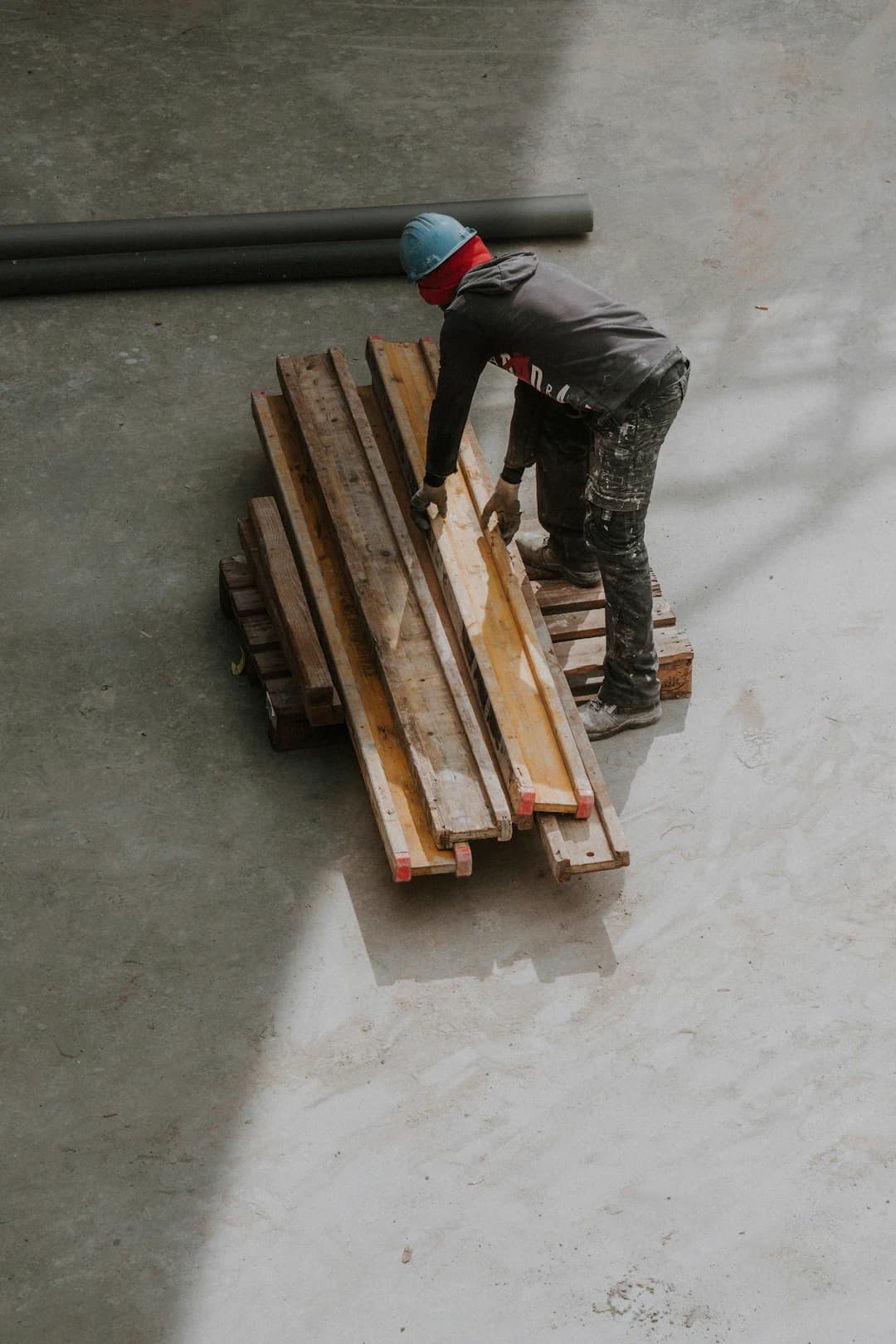
Each stage is documented with photos, video, and control acts so the client sees the real project flow without blind spots.
Construction stage map
A quick overview of the full work sequence, from the first site marks to final handover checks.
01-02
Preparation and layout
Geology, axis marking, site preparation, and the start of earthworks.
03-05
Foundation
Reinforcement, concrete, waterproofing, and control of the base structural system.
06
Structural shell
Walls, columns, slabs, and formation of the building's structural contour.
07
Roof
Roof works, insulation, and closing the thermal envelope before next stages.
08
Engineering
Engineering systems, hidden works, and preparation for finishing operations.
09-10
Facade and handover
Facade works, final inspections, issue resolution, and project handover.
Important: each stage depends on the quality of the previous one. That is why Bereke controls the work at every stage, not only at the end of construction.
Detailed work sequence
Each stage is explained through the physical process, quality control logic, and protection against construction risk.
01
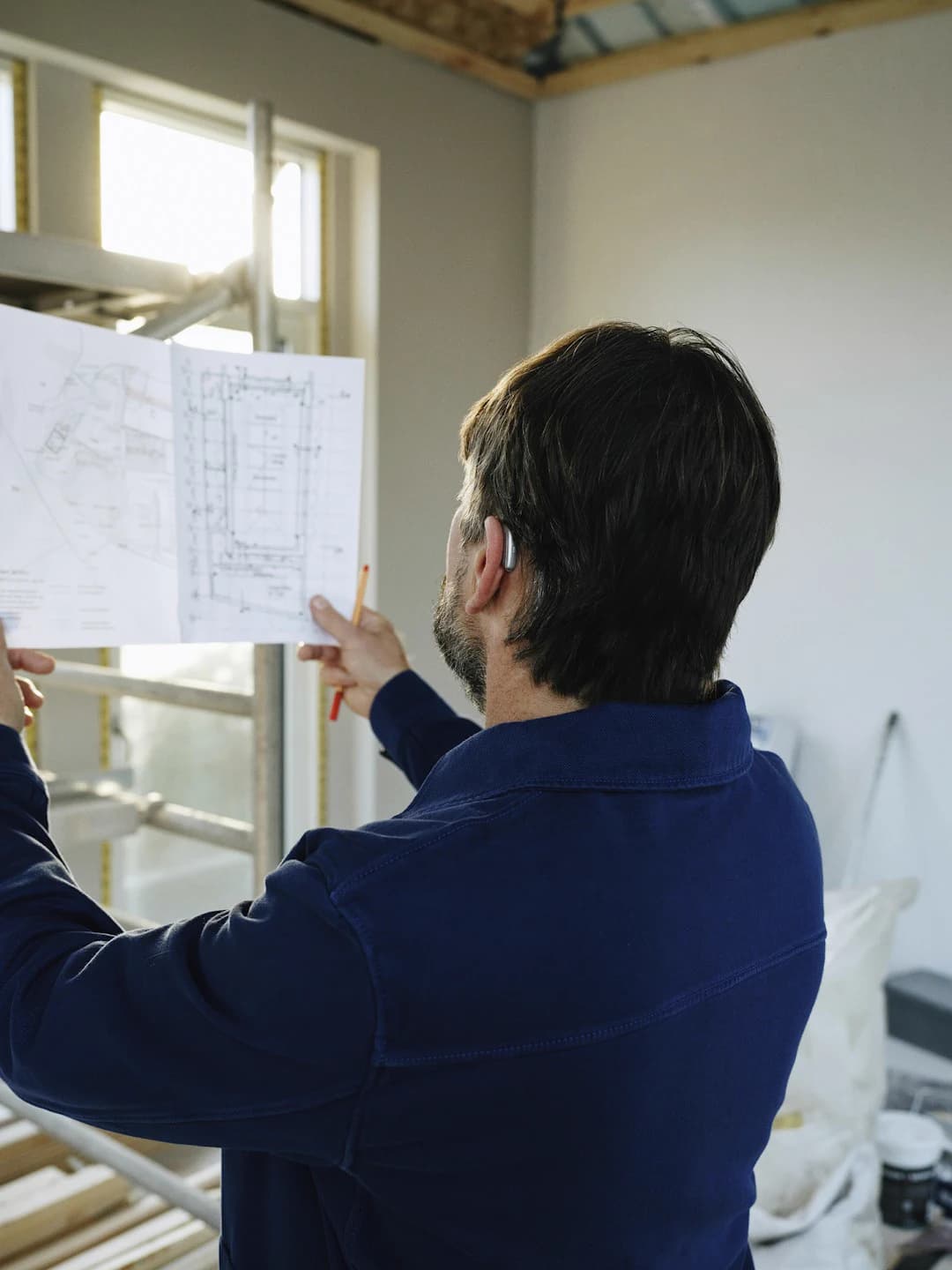
Site preparation, geodesy, and layout
Work process video
What happens
Before earthworks begin, we run the site geodetic survey, mark the axes of the future house, and verify the position against the project. Geology shows the soil conditions and bearing layer depth that influence the foundation decision.
Why it matters
A layout error can shift the house, violate setbacks, and create downstream construction issues. Geology helps reduce settlement risk before structural work begins.
What Bereke controls
We verify that the site axes match the project, document geology results, and confirm the house position and key elevation marks with the client.
02
Excavation pit and earthworks
Work process video
What happens
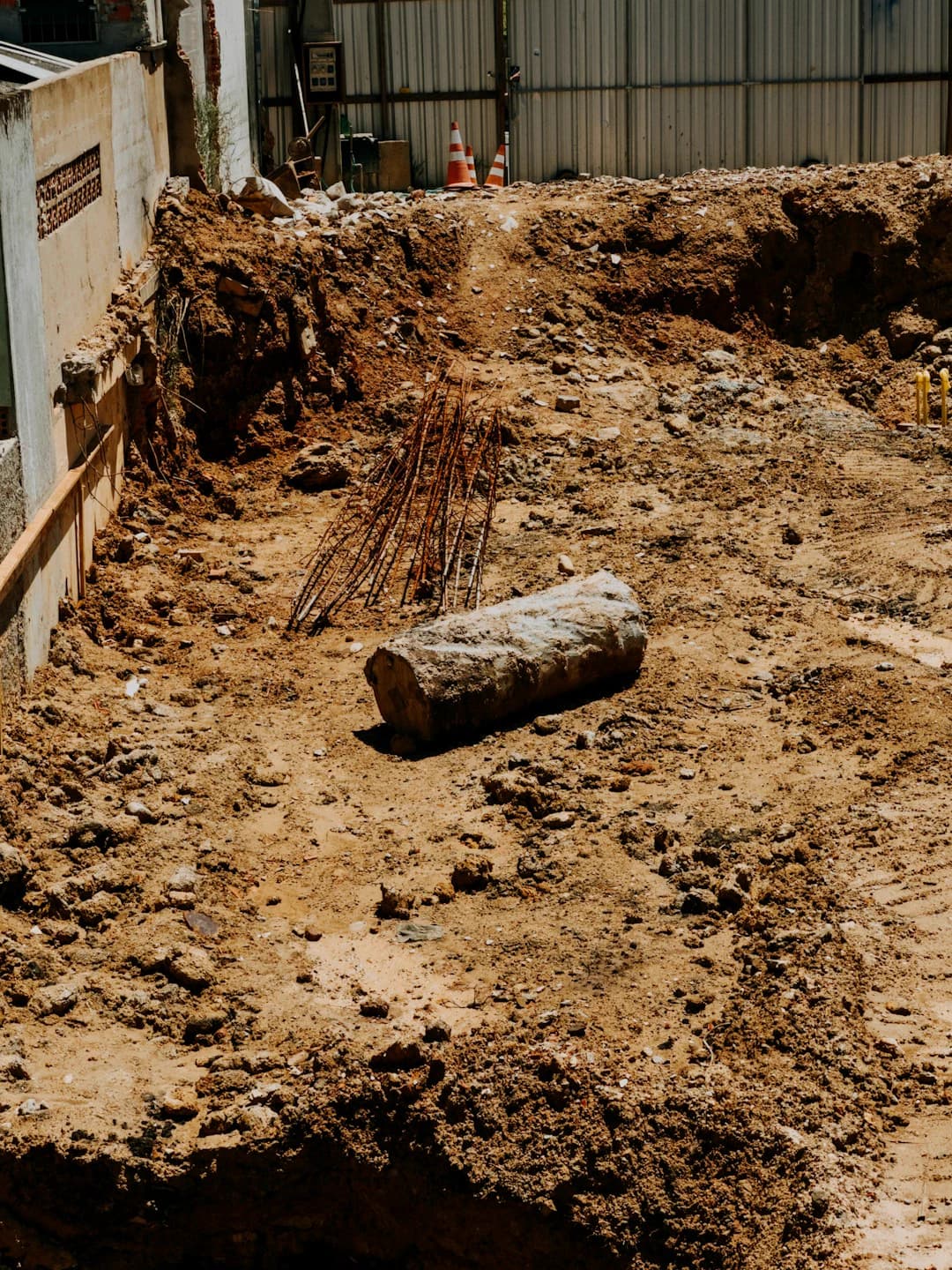
The excavation is developed to the depth defined by the project and geology. We control the geometry, base elevations, and soil condition while managing excess soil on or off site.
Why it matters
Wrong depth or geometry affects foundation levels, plinth logic, waterproofing, and the overall height position of the house on the plot.
What Bereke controls
We measure depth at key points, verify the bottom plane with leveling tools, and record whether the actual excavation matches the design marks.
03
Base preparation, compaction, and cushion layer
What happens
A sand-and-gravel cushion is installed in layers at the bottom of the excavation. Each layer is leveled and compacted to form a dense, draining base for the foundation.
Why it matters
A weakly compacted base settles over time and causes cracks in the foundation and walls. A properly built cushion also helps isolate capillary moisture.
What Bereke controls
We check layer thickness, compaction quality, levelness, and alignment of the preparation scheme with the structural design.
04
Reinforcement, formwork, and foundation pour
Work process video
What happens
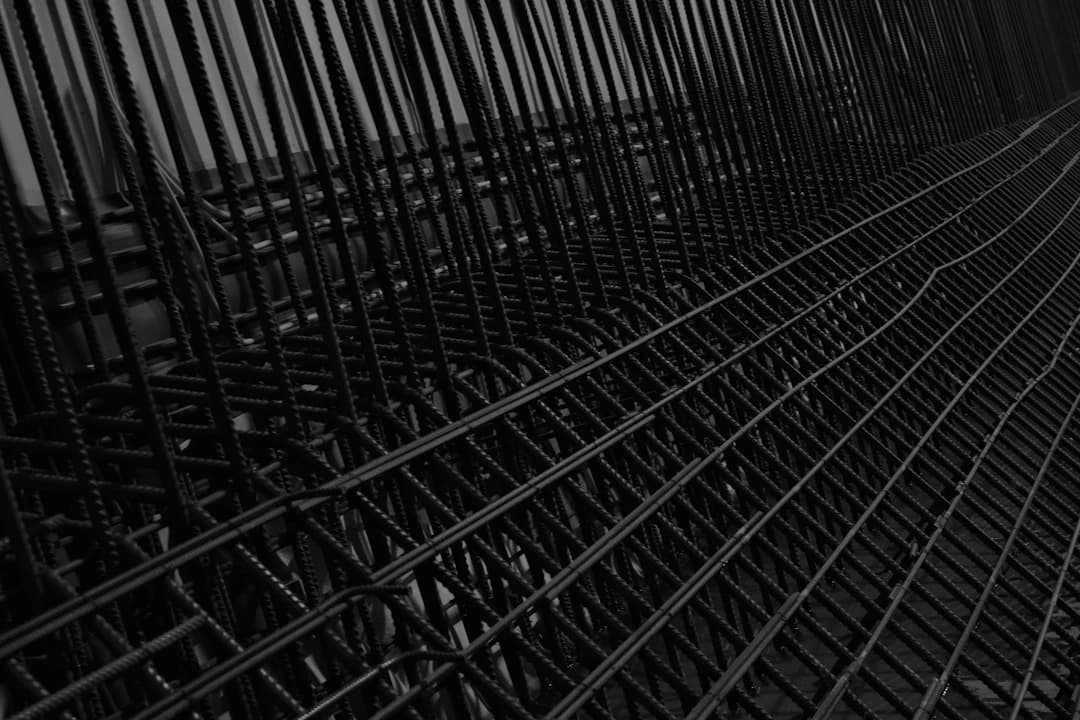
At this stage we assemble the reinforcement cage, set the formwork, and accept concrete of the required grade. In Almaty and the seismic zone, reinforcement logic is especially critical.
Why it matters
The foundation carries the core load of the house, and mistakes here are expensive to fix later. Weak reinforcement or broken concrete placement creates long-term cracking risk.
What Bereke controls
We verify bar diameter and spacing, concrete cover, formwork quality, concrete passports, and the pouring sequence with vibration.
05
Waterproofing, drainage, and foundation protection
What happens
After the concrete gains strength, we perform waterproofing on external surfaces, install drainage, and backfill the perimeter. This protects the base from water and seasonal load effects.
Why it matters
Poor waterproofing leads to moisture penetration, freeze-thaw damage, and damp interior conditions. Drainage reduces water accumulation around the structure.
What Bereke controls
We check the waterproofing system and continuity, drainage slopes, backfill quality, and the absence of weak zones where water can collect near the foundation.
06
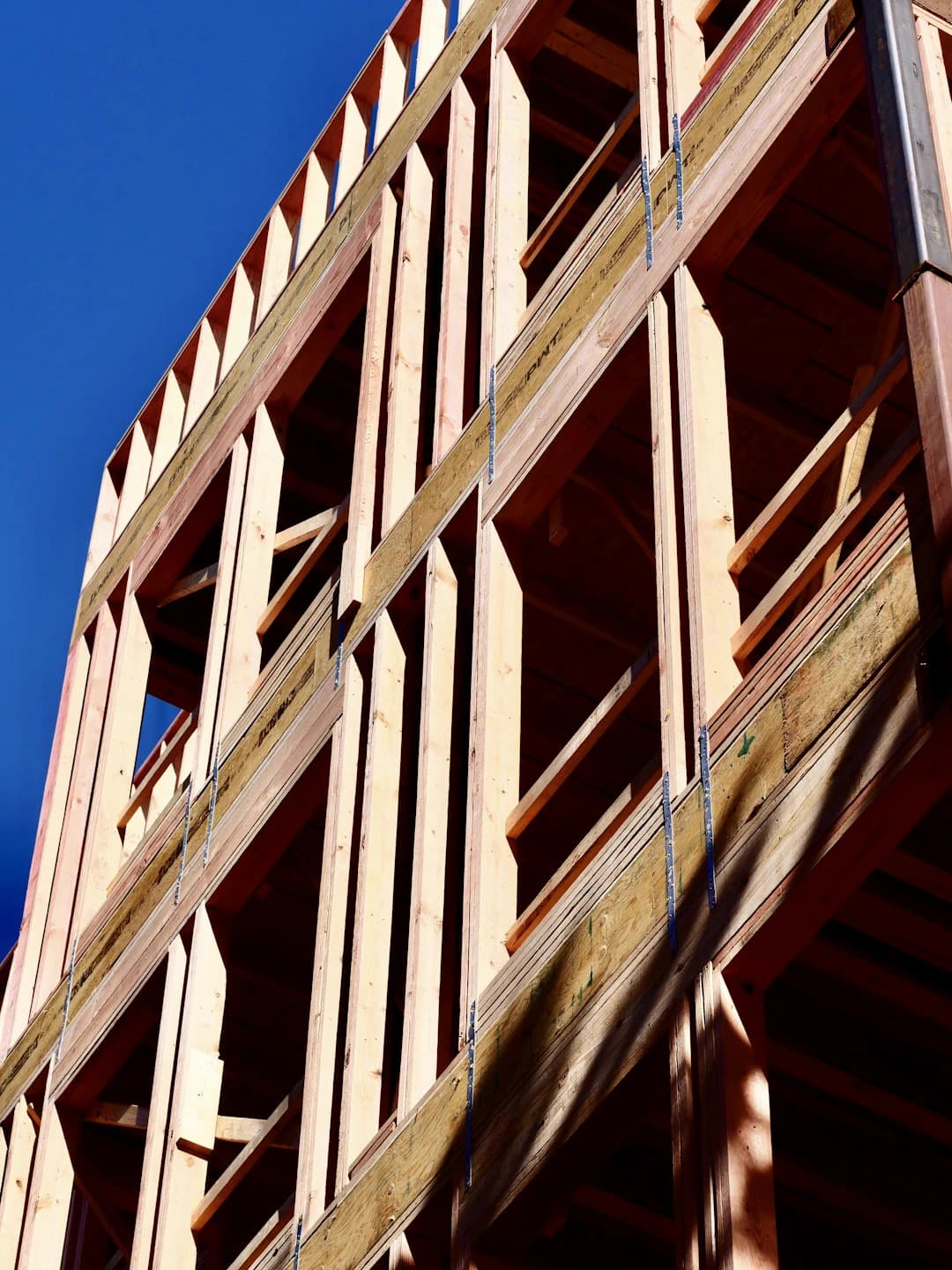
Walls, columns, slabs, and structural shell growth
Work process video
What happens
The structural shell is formed through walls, columns, belts, and slabs. At this stage the real proportions of the house and room geometry become visible.
Why it matters
Errors in masonry and slabs affect strength, geometry, thermal performance, and installation of the next systems. Late corrections become significantly more expensive.
What Bereke controls
We check wall verticality, masonry bond, row reinforcement, slab quality, and the compliance of actual geometry with the working project.
07
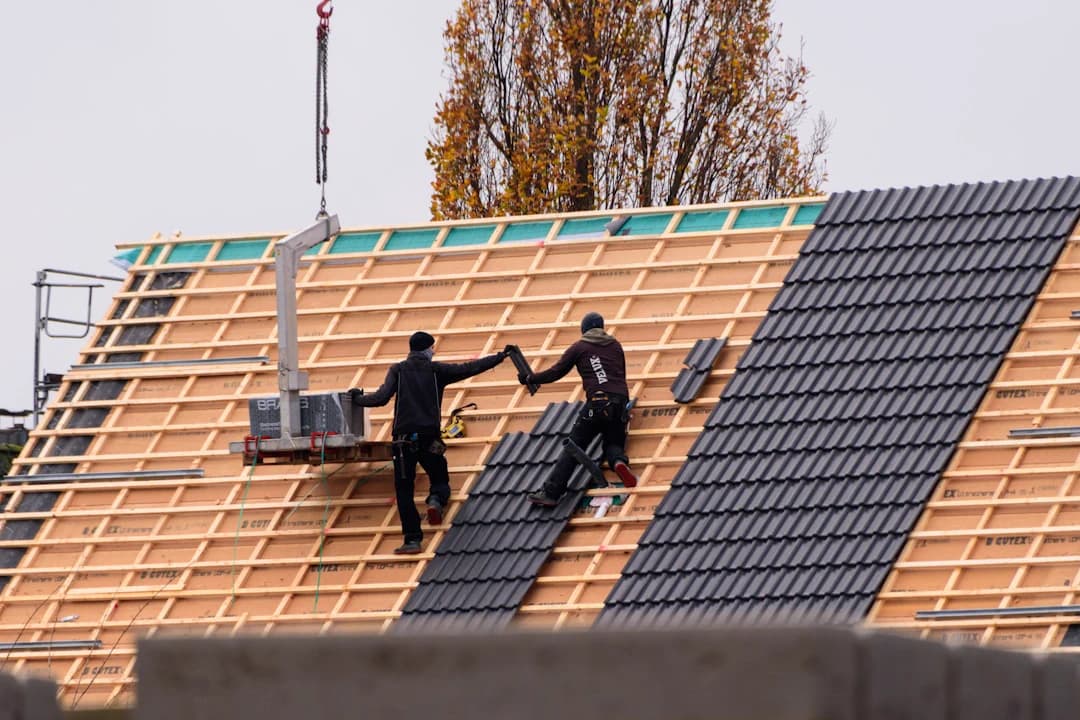
Roof works, waterproofing, and thermal envelope
Work process video
What happens
We install the roof structure, waterproofing layers, insulation, and final covering. Once the thermal envelope is closed, interior works are protected from weather.
Why it matters
Roof errors lead to leaks, heat loss, wet insulation, and damage to later finishes. This is one of the key nodes for the house's long-term durability.
What Bereke controls
We verify rafter spacing, roofing layer logic, insulation thickness, connection nodes, and the airtightness of the final covering.
08
Engineering systems and hidden works control
Work process video
What happens
Electrical, water, sewage, heating, and ventilation systems are installed at this stage. A large part of these communications will later become inaccessible, so the stage requires strict documentation.
Why it matters
Errors in hidden works are usually discovered too late, when fixing them already requires opening finished surfaces and rolling back completed work.
What Bereke controls
We document hidden zones, verify cable sizing and connection quality, pressure-test systems, and compare actual routing to the project.
09
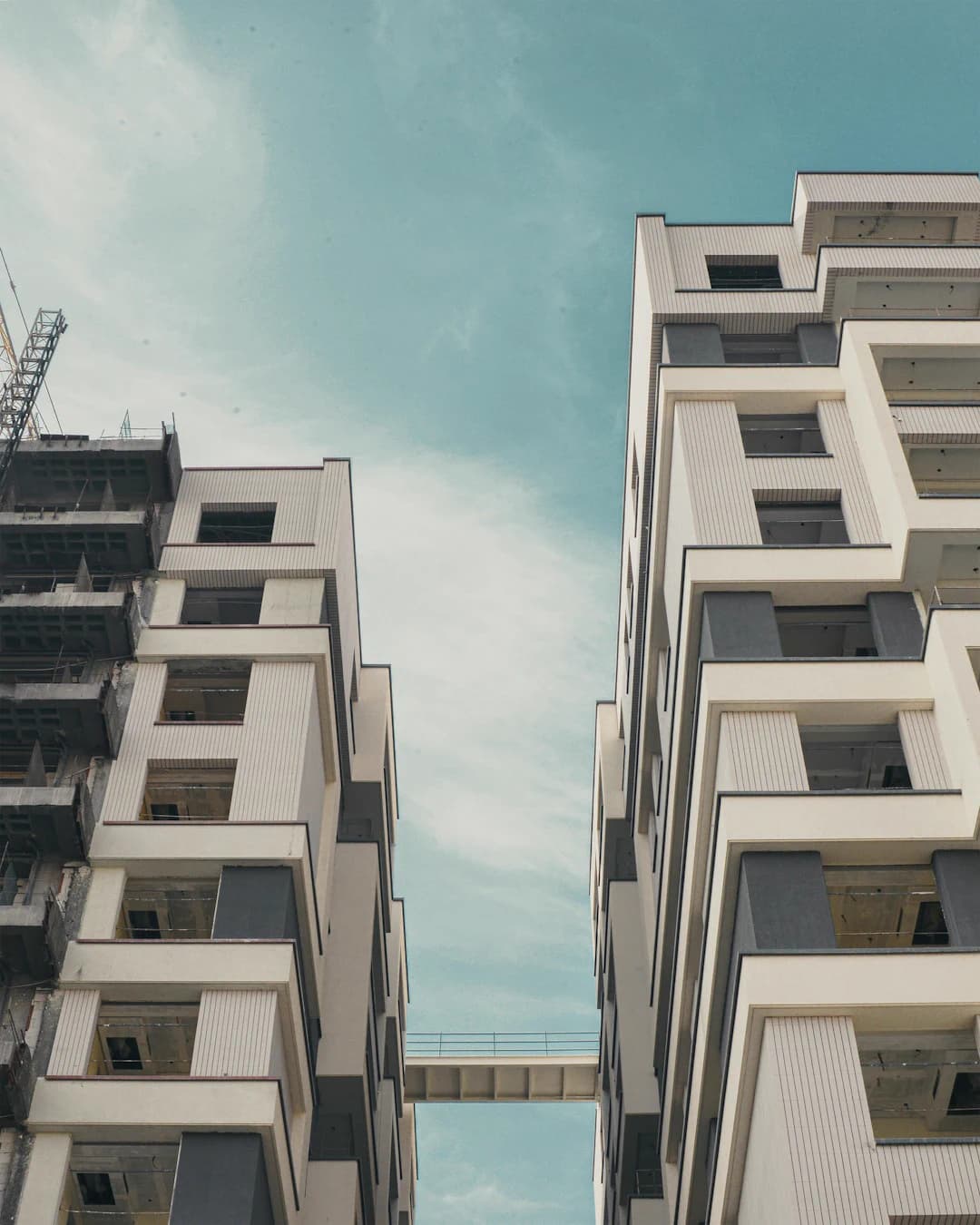
Facade, openings, and exterior readiness
What happens
Windows and doors are installed, the facade system is completed, and the house reaches a finished architectural state from the exterior.
Why it matters
The facade is not only visual. It protects the walls from moisture and cold. Errors in window nodes and facade logic quickly affect comfort and service life.
What Bereke controls
We verify the sealing of installation joints, insulation thickness, absence of thermal bridges, and the quality of final facade finishing.
10
Pre-handover checks and final readiness
Work process video
What happens
Before handover, we comprehensively check engineering systems, electrical works, ventilation, heating, and alignment of the built result with the project. After that, acts are formalized and documentation is transferred to the client.
Why it matters
The final check helps identify and remove deficiencies before the house is handed over. It is the last safe control point before future disputes and extra costs.
What Bereke controls
We go through the handover checklist, test systems under load, record remarks, and ensure the client receives the house with a clear documentation and warranty base.
Real construction archive
Photos and video from Bereke sites show actual stages and critical nodes, not abstract promises about quality.
Foundation reinforcement: Checking reinforcement diameter, cage spacing, and concrete cover before the pour.
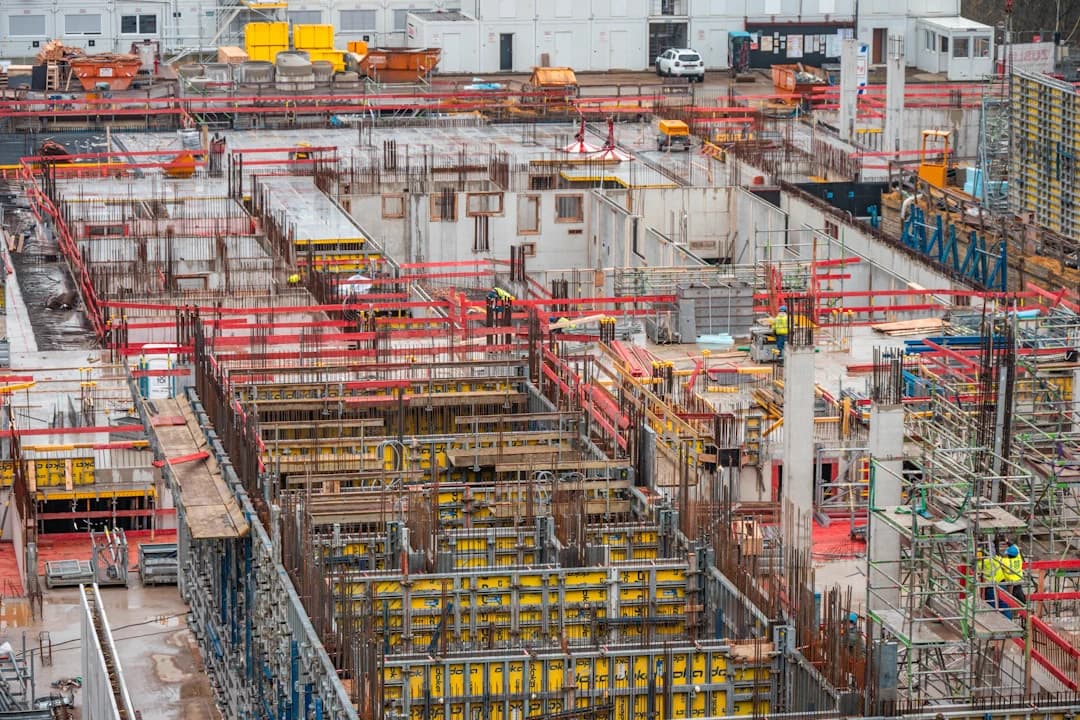
Earthworks and preparation: Documenting excavation geometry, base preparation, and site equipment movement.
Structural shell growth: Raising walls, columns, and slabs with geometry and node control.
Roof installation: Capturing the roof structure, roofing layers, and closing of the thermal envelope.
Facade works: Facade system installation, openings, and final exterior readiness of the project.
Final checks: Testing engineering systems, the handover checklist, and final readiness before delivery.
Why photo and video matter at every stage
Many critical works are hidden after the stage is completed: the foundation goes underground, engineering gets covered by screed and walls, and roofing nodes become hard to inspect later. Without documenting the process, it becomes difficult to prove that the work was done correctly.
Bereke builds an evidence-based media archive for every project: photos of critical nodes, video of key works, and documented hidden stages. This increases transparency for the client and creates a verifiable quality record throughout the project.
What exactly Bereke controls during construction
This section moves from process description to quality-control logic and client protection at every critical stage.
Critical and irreversible stages
Foundation works, waterproofing, slab reinforcement, and hidden engineering systems cannot be reworked later without major cost and time loss. These errors cannot be deferred to final handover.
Как контролируем: Mandatory inspection happens before the next stage begins: the foundation is not closed before reinforcement control, and engineering is not covered before testing and photo documentation.
Where mistakes become especially expensive later
Errors in layout, slope, elevation marks, or geometry at an early stage become costly structural problems after the house grows and later works cover them.
Как контролируем: We check the house position on site, wall verticality, slab horizontality, and roof and drainage slopes while corrections are still fast and manageable.
Why hidden works require proof and supervision
Once engineering is covered by screed and walls, installation quality can no longer be verified visually. Any hidden mistake then resurfaces through finishes, cost, and delay.
Как контролируем: Before hidden areas are closed, we document them with photos, verify connections and cable sizing, pressure-test systems, and only then allow the stage to be closed.
How stage control protects budget and quality
If you only inspect the finished house, much of the error is already hidden inside the structure. Correction then becomes several times more expensive and always weaker for the client experience.
Как контролируем: Bereke technical supervision checks critical stages during the project, not only at the very end. This lets us correct problems immediately while they are still local and affordable.
Connection to guarantees: guarantees and supervision.
The difference between process control and final handover
Final handover shows that the house looks complete. But it does not answer whether the foundation was poured correctly, whether hidden engineering was installed properly, or whether critical nodes were actually protected.
Bereke process control works when the stage is still visible and correctable. That is what creates the basis for durability, reliability, and justified guarantees on the result.
Frequently asked questions about construction stages
Short answers to the questions clients ask most often before and during house construction.
Related pages
Now that the process logic is clear, you can move to the neighboring pages that help make the project and budget decision.
House construction
The main money page for private houses with formats, scope, and delivery logic.
Learn more
Construction cost
Understand the budget, estimate, and pricing logic for building a house in Almaty.
Learn more
Guarantees and supervision
Client protection system, evidence base, and quality control in practice.
Learn more
House design
An individual project adapted to the site, engineering logic, and real construction.
Learn more
Turnkey construction
A focused route for clients who want full-cycle house delivery under one system.
Learn more
Ready to discuss the construction of your house?
Send the project, site data, or your question. We will explain how the process will go, which stages are critical in your case, and how quality will be controlled.
Free
Consultation on the construction process
Detailed
We will break down the specifics of your project
Honest
We will show risks, control logic, and real constraints
What to send for consultation
- • House area, number of floors, and desired room composition.
- • Site data: dimensions, relief, utilities, and constraints.
- • Desired construction timing and budget priorities.
- • References, sketches, or a ready project if you already have them.