


Compact house
120-150 m²
~350,000 KZT/m²
Base scope of work
The cost per meter is higher because design, connections, and part of the engineering scope are spread across a smaller area.
Bereke Group shapes the budget around real project parameters, estimate structure, and contract discipline, not vague promises or hidden extras.
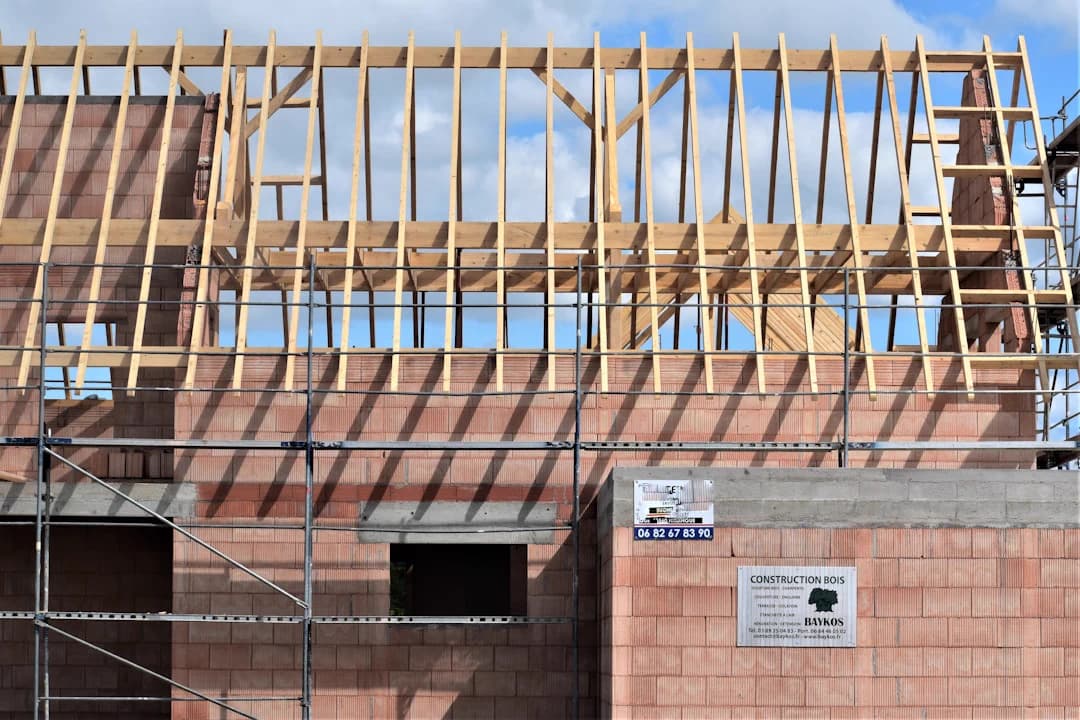
Clear pricing logic
The budget is built from area, architecture, materials, engineering, and site conditions, not from an abstract price per square meter.
The cost is not calculated from an abstract price per square meter, but from the real scope of work and actual project parameters.
Two 200 m² houses can have different budgets: a single-storey house needs more foundation and roof, a two-storey house can require more complex structure and engineering, and a sloped site costs more than a flat one.
A 150 m² house can cost more per square meter than a 300 m² house because part of the baseline costs are spread across a larger area.
You only get a realistic understanding of cost after reviewing the project, site, work scope, materials, and finishing level, not from a marketing number.
The cost per meter is higher because design, connections, and part of the engineering scope are spread across a smaller area.
A strong balance where baseline budget items are distributed across a practical family-scale area.
The cost per meter is lower because fixed baseline items are distributed across a larger house area.
Important: these numbers are not a commercial offer. They only illustrate the logic, because the final estimate always depends on architecture, materials, site conditions, and scope of work.
Bereke does not work from universal headline numbers. The cost is built from real project parameters: area, floor count, architecture, structure, materials, site terrain, engineering intensity, and finishing level.
A real budget conversation starts with the analysis of your goals and conditions, not with a marketing promise.
Understanding these factors helps explain why two houses can have different budgets and what can still be managed at the design stage.
A baseline factor, but not the only one. Larger houses can show a lower cost per m² because fixed budget items are spread across more area.
Complex geometry, non-standard forms, multi-slope roofs, and panoramic glazing increase both design and execution cost.
A flat roof is usually more affordable than a complex pitched roof, and plaster facades are often less expensive than clinker, natural stone, or more complex systems.
Monolithic, brick, aerated concrete, and hybrid systems each bring different budget, schedule, and construction implications.
A slope, difficult soil, remote utility access, site logistics, and retaining solutions directly affect the foundation strategy and construction logistics.
Heating, ventilation, air conditioning, smart home systems, water, drainage, and electrical scope can significantly change the total budget.
A basic, mid-range, or premium finish changes the budget through materials, sanitaryware, doors, floors, built-ins, and final finish work.
Shell only, shell plus engineering, turnkey with finishes, or turnkey with furniture - the scope definition is one of the strongest budget drivers.
Budget controllability: Most of these factors can still be optimized during the design stage. When you align architecture, materials, and scope early, you shape the estimate before construction starts instead of trying to rescue the budget later.
Realistic house formats and the factors that affect their cost. These are not commercial offers, but scenarios that explain the budget logic.
Well suited for a smaller family or as a first-stage construction scenario.
The most common format with a strong balance of area and budget.
Fits larger families, complex sites, and higher comfort requirements.
Terrain can add 15-25% to foundation and earthworks cost.
Each next level typically adds 30-40% to the previous phase.
These scenarios are not exact commercial offers. They show the logic behind the budget. A correct estimate still requires site data, architectural priorities, material choices, and the selected scope of work.
At Bereke Group, the estimate is not a decorative PDF. It is a working document that fixes the scope of work, materials, and cost for each stage.
A detailed breakdown shows exactly what is included in each stage. The client understands what they are paying for and what result they should expect.
The estimate fixes materials, quantities, and cost. This reduces the risk of substitutions, surprise purchases, and conflicting interpretations during the build.
Any change to scope or materials goes through formal additional approval, not verbal promises made in the middle of construction.
The more precise the project, the more precise the estimate. The budget is therefore based on a real project foundation, not on rough assumptions.
If a contractor avoids a detailed estimate or says they will 'figure it out during the process', that points to management chaos. At Bereke, the estimate is prepared before the start and becomes part of project discipline.
A detailed estimate fixes not only the cost, but also the exact work scope, materials, and budget distribution by stage. That turns construction from a stream of surprise add-ons into a managed process with clear rules.
The core anxiety around construction is not only about area or materials. It is about unpredictability: whether the budget will grow and whether more money will be requested halfway through the project.
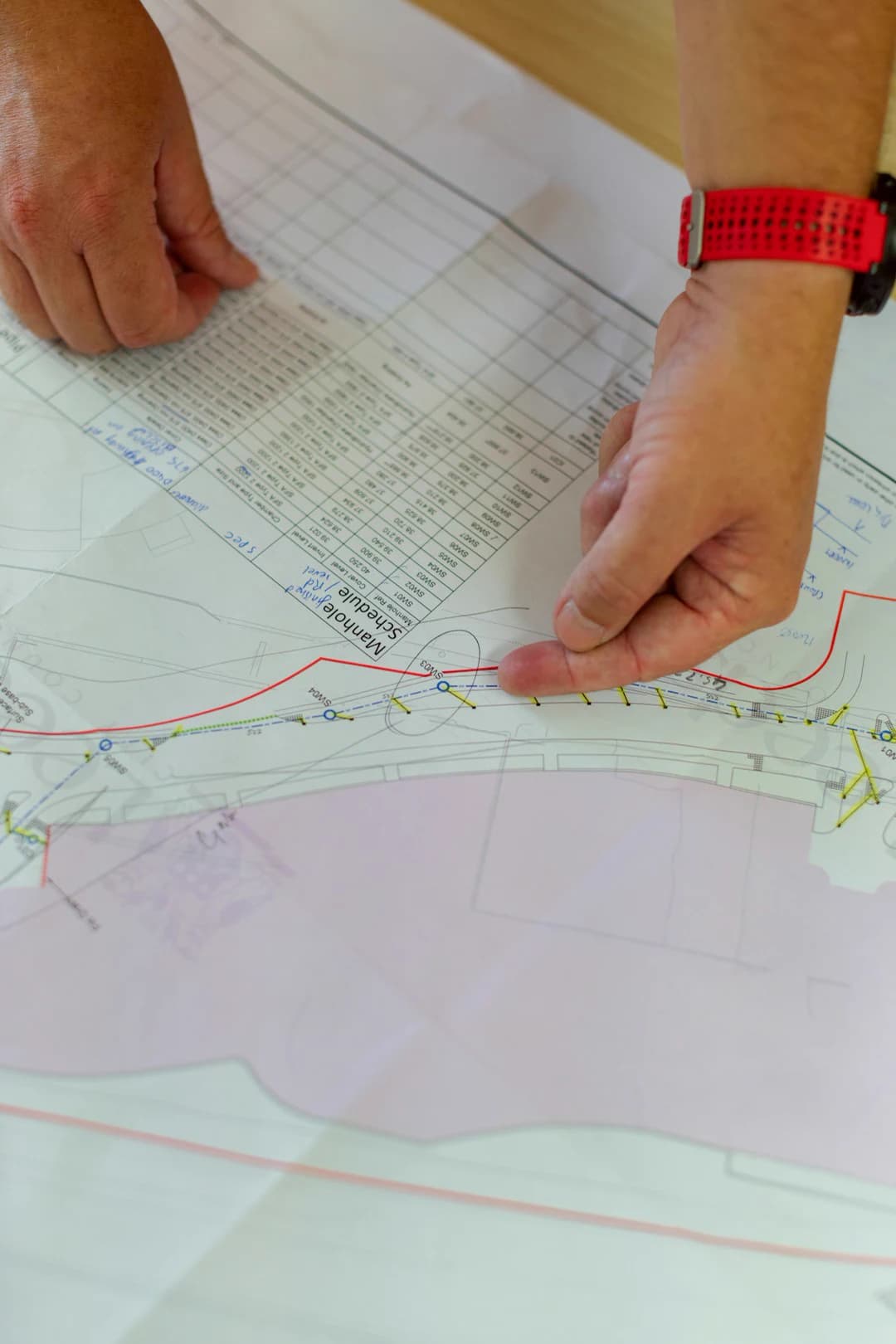
We review the project, site, and priorities, then build a detailed estimate around the real scope of work.
We align materials, quantities, schedule, and control points before construction starts.
We fix the price in the contract together with stage logic and a clear payment structure.
Any change is documented through an additional agreement with a clear explanation of its budget impact.
Once the estimate is agreed and the contract is signed, the price is fixed. Changes are possible only through formal addenda, not through verbal requests for extra money.
The client cabinet, site photo and video updates, live estimate, and project documents help the client see where the budget is going and what has already been completed.
Control of critical stages, documentation of hidden works, and checks against the project and estimate reduce the risk of chaotic rework.
Work certificates, material receipts, lab protocols, and reporting by stage make the process more predictable and protect both sides.
We sell predictability: a fixed post-contract price, disciplined scope control, process transparency, and the absence of chaotic hidden extras.
This is not a marketing promise, but a systems-driven approach to construction and project management.
Now you understand the logic behind the cost. These pages help you go deeper into the service itself, the project foundation, and connected budget decisions.
The full service page covering process, operating model, quality control, and delivered houses in Almaty.
See how the full turnkey cycle is structured and which decisions affect the final budget the most.
Understand how design affects estimate predictability, timeline control, and the number of changes later.
See how facade materials, systems, and finishing choices can move the overall house budget.
Short answers to common questions about estimates, budget ranges, and contract-based price fixing.
Tell us about your goals, site, and finishing level. We will explain the budget logic, show realistic scenarios, and give an early cost direction.