Bereke Group
Bereke Group
Design & Build
Knowledge base
B2B trust article

How to Design a Commercial Property Without Unnecessary Rework

Unnecessary rework in a commercial property rarely comes from one bad drawing alone. It usually grows out of a weak brief, unclear business logic, late engineering conflicts, and insufficient implementation readiness. The earlier these factors are fixed in the project route, the lower the losses in budget, schedule, and launch.

Brief qualityZoning and flow logicEngineering coordinationDocumentation readiness

What should be aligned before issuing a major design package

A strong route starts not with a facade image, but with synchronization between business requirements, zoning, engineering, and the implementation scenario.

1
Business model
what the property must support operationally
2
Flow and zoning
how people, service, and equipment move inside
3
Engineering fit
how systems fit into the shell without conflict
4
Implementation
whether the project is ready for construction and change control

Where rework usually comes from in commercial properties

In most cases this is a systems problem. The mistake rarely lives on one drawing sheet. It is formed where business requirements, planning, engineering, site constraints, and late stakeholder changes intersect.

A weak brief and unclear business requirements

When the format, capacity, operational scenarios, function mix, and launch expectations are not fixed, the project begins rewriting itself as the work progresses.

Rework then appears not as an isolated designer mistake, but as a consequence of an undefined task.

Weak zoning and flow logic

If visitor flow, service routes, staff movement, back-of-house zones, and equipment logic are not thought through early, later stages require breaking already approved layouts.

This is exactly where visually attractive schemes usually collide with real operations.

Late engineering conflicts

Architecture can look convincing until ventilation, electrical loads, water supply, drainage, fire-safety, and maintenance access enter the picture.

The later engineering limits surface, the more expensive the correction becomes.

Unrealistic assumptions about the site or existing shell

A commercial property may be constrained by heights, load-bearing logic, utility connection points, access, parking, adjacent flows, or the limits of an existing shell.

If this is discovered late, the project loses predictability in both schedule and budget.

Weak change discipline

When changes are introduced without fixing their impact on related disciplines, the property receives a cascade of revisions instead of a managed scope correction.

Rework stops being an exception and becomes the normal operating mode of the project.

Insufficient implementation readiness

If documentation is issued as a concept package but used as a construction base, the contractor starts making design decisions on site instead of the project doing that work.

This is where conflicting details, pauses, and cost overruns are usually born later.

Key principle

The earlier the team translates chaotic wishes into a coordinated system of decisions, the lower the probability of expensive rework during fit-out, construction, and launch.

Why commercial design cannot begin from visual concept alone

A commercial property does not work like a private interior, where some decisions can simply be refined later based on taste. Here every change affects the business scenario: how many people the property must serve, how guests and staff move, where service logic runs, how engineering systems work, and how quickly the project needs to move into implementation. If the process begins only with a beautiful architectural shell and operational logic comes later, the project almost inevitably enters a rework mode.

A strong commercial project starts when the team fixes not only the form of the property, but also its business requirements. There has to be clarity about the format, capacity, functional blocks, equipment, entrance groups, service scenarios, engineering needs, and the constraints of the site or existing shell. This forms the planning logic. Without it, zoning and architecture remain too decorative. The weaker this base is, the more often the project rewrites itself after the first approvals.

Business model and operational flow must shape the project from the start

For a cafe, office, mixed-use, or other low-rise commercial property, what matters is not only how the space looks, but how it works every day. Which zones generate revenue, where privacy is required, how staff flow is organized, where deliveries move, where equipment sits, how access works, and which load scenarios the property must handle. If these questions are not raised before design starts, a visually convincing scheme may already prove dysfunctional in the first working session with the operator or engineers.

That is why a B2B brief cannot be a short list of wishes. It has to turn the owner's idea into project logic: it has to fix the key use cases, constraints, priorities, and what-must-not-break points. This does not make the project perfect from day one, but it gives the team a shared base for decisions and reduces the amount of late changes.

Architecture, structure, and engineering need coordination before late stages

One of the most common causes of expensive rework in a commercial property is the separation of architectural and engineering decisions over time. As long as the project lives only as a layout, it seems clean. But once ventilation routes, technical rooms, fire requirements, electrical loads, drainage, ceiling heights, and service access are added, it becomes clear that part of the scheme does not physically assemble into one system.

In a strong project route, coordination happens early. This does not mean that every detail must be known instantly, but critical assumptions must surface before the team issues a major package or the client approves key geometry. Early coordination is exactly what removes collisions where they still cost less and do not break the entire route.

Incomplete documentation and late stakeholder changes create the most expensive rework cycles

A commercial project rarely belongs to one person alone. There is almost always an owner, an operator, designers, engineers, sometimes a brand team, sometimes a future contractor, and sometimes even a tenant. If there is no discipline of decisions and change control between these participants, the project begins to receive uncoordinated corrections: one party changes capacity, another changes equipment, another asks for a different entrance, and someone else adds engineering requirements without rebuilding the related disciplines.

If documentation is also not deep enough at that moment, all these changes become unmanaged. The contractor starts guessing on site, the operator argues with the layout, engineering systems conflict with architecture, and the budget stops being predictable. That is why before launching full design work it is important to clarify not only the functional logic of the property, but also who makes the decisions, how changes are fixed, and at what point the project is truly considered ready for implementation.

Main conclusion of the article

Unnecessary rework in a commercial property usually does not begin with one bad decision. It accumulates where the system has not been assembled: a weak brief, unclear zoning, late engineering coordination, blurred stakeholder logic, and documentation that does not reach implementation level.

A clean project route is built differently: first the team makes the property understandable as a business system, and then ties architecture, flow, engineering decisions, and future implementation into one contour. That is what reduces rework much more effectively than simply trying to draw more carefully.
What coordination logic looks like in practice

Rework decreases where the project shows not only form, but also the links between zones, systems, and implementation stages. That is why it is more useful to look at coordination evidence than at a moodboard.

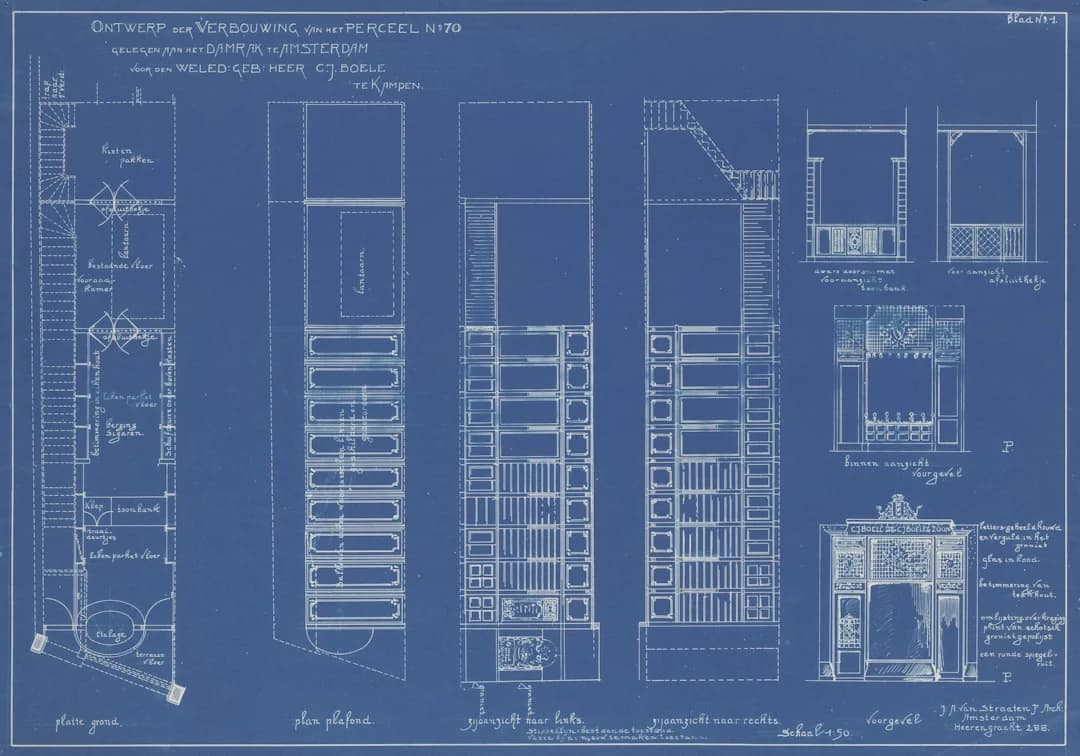
Bereke Group commercial project documentation

A blueprint is a coordination map, not just graphics

A strong commercial project sets architectural and technical logic at the same time: what has been fixed in planning, which disciplines are already tied together, and where future construction dependencies lie.

The package works only when drawings, specifications, and assumptions can be read as one system of decisions.

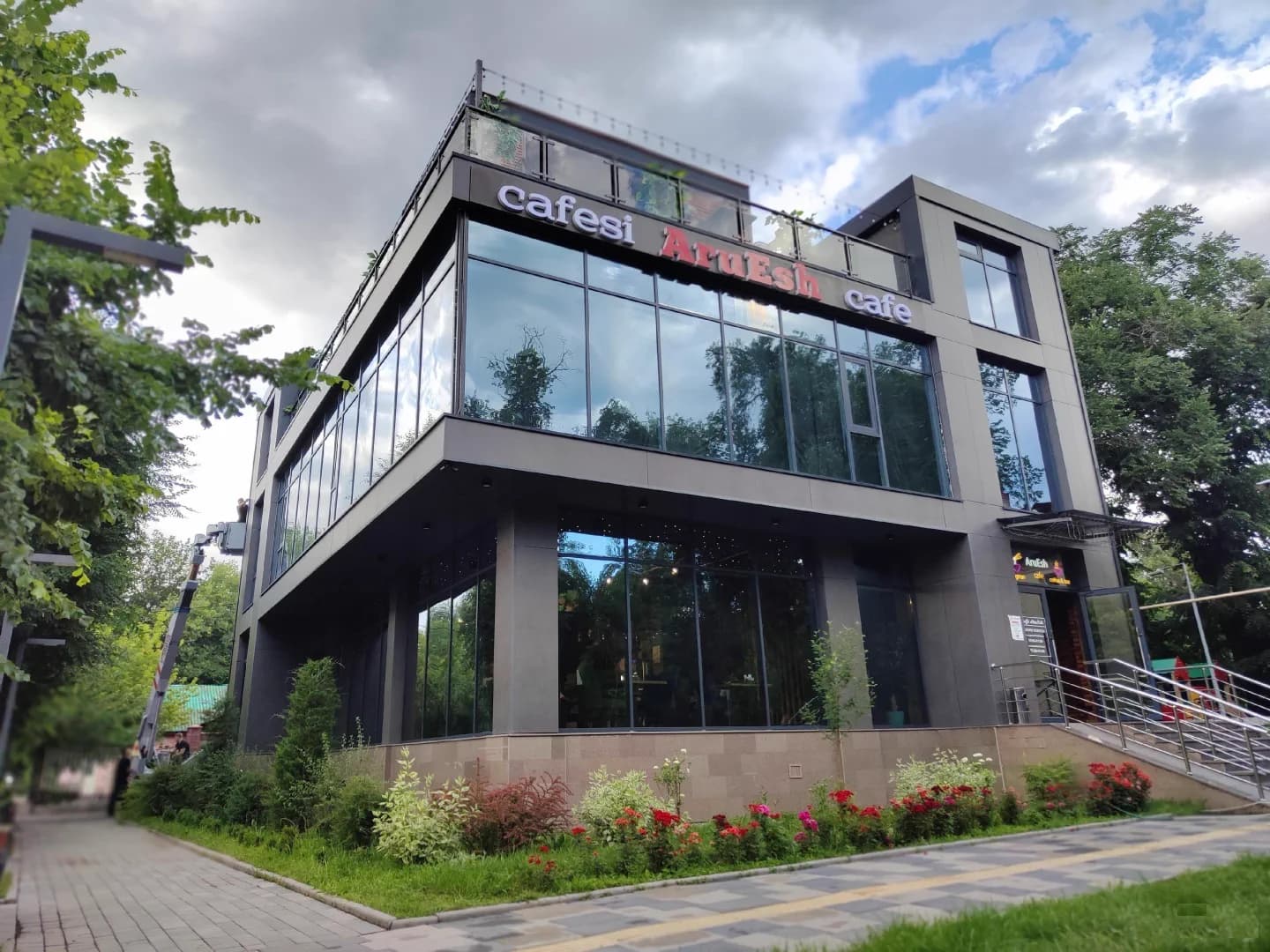
Bereke Group commercial property design

Architecture has to reflect the launch logic of the property

Commercial design makes sense only when facade, volume, and spatial organization are subordinated to how the property will be launched, operated, and maintained.

Even at an early stage, the property should read as a business asset rather than an abstract form.

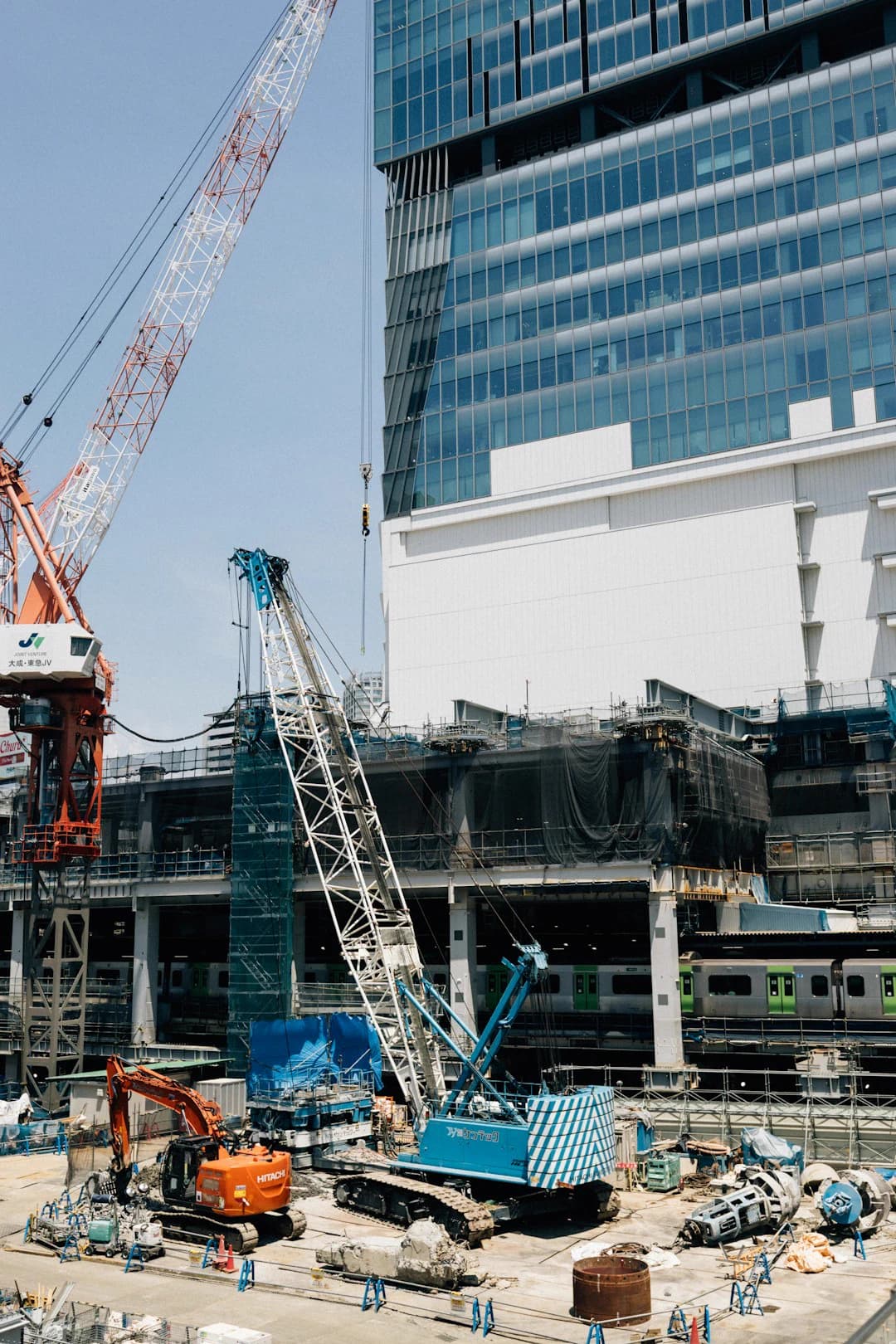
Transition of a commercial project into construction

The transition from design to construction has to be planned in advance

If the project has no implementation logic, construction starts making design decisions on site. That is why documentation readiness affects the schedule almost as strongly as drawing quality does.

The clearer the connection between the design package and the execution route, the lower the risk of cascading changes after work starts.

Bereke Group HoReCa commercial property

Specialized formats require object-specific planning logic

The HoReCa example shows especially clearly how zoning, operational flow, engineering, and service routes need to be assembled into one logic before the working package is issued.

The more complex the property format, the more dangerous late changes become when business scenarios and engineering conditions were not fixed early.

What visual materials should show in a strong B2B project

  • How zoning supports the business use case instead of just creating a nice composition.
  • Which architectural decisions have already been checked for engineering compatibility.
  • Which assumptions about the property and implementation are already fixed in documentation.
  • Where the future contractor or operator receives a clear base instead of a zone of guesswork.

What should be clarified before commercial design starts

These questions do not remove risk automatically, but they help move the property from the stage of an abstract idea into a manageable project route.

Business scenario and scope

What the property must do for the business and where the boundaries of the task sit.

  • What property format are you launching and which operating model must it support?
  • What capacity or load is planned for guests, staff, service zones, and equipment?
  • Which functions are critical, and which are desirable but not mandatory?

Flow, zoning, and use logic

How people, service, and processes will move inside the property.

  • How are visitor flow, staff flow, service routes, and back-of-house zones organized?
  • Which adjacencies are mandatory, and which conflicts between zones are unacceptable?
  • Are there special requirements for privacy, access control, sanitary logic, or fire scenarios?

Engineering and constraints

What has to surface early so approved decisions are not broken later.

  • Which engineering capacities, connection points, and technical limits are already known?
  • What is important about the existing shell, site, heights, load-bearing scheme, or neighboring constraints?
  • Which decisions must be checked before the first major design package is issued?

Documentation and decision discipline

How to manage changes and the moment of readiness for implementation.

  • Who makes the key decisions for the property and how are changes fixed between stakeholders?
  • What level of documentation is needed: concept, working package, tender base, or construction readiness?
  • At what point is the project considered coordinated enough so that fundamental decisions are not pushed onto the site?

When to move into a real design consultation

If you already have a rough brief, a site or space, an understanding of the property format, and basic questions about launch, a commercial design consultation is useful before the team dives into visual concept work or starts collecting fragmented decisions on site.

At this stage, it is more useful not to order pictures immediately, but to test object fit: where the business logic is already clear, where zoning is weak, which engineering questions will surface first, and what level of documentation is actually needed for the next step.

Related routes

After the article, the logical next move is either into the commercial design service route, into the construction route, or into a narrower object-specific scenario if the property format is already clear.

Discuss the property before design starts

Describe the property format, rough brief, site or premises, constraints, and intended launch scenario. We will help identify where the rework risk is highest, what should be clarified before design work, and how to assemble a cleaner B2B project route.