


Legal legitimacy and documents
Company registration, licenses, and a proper construction contract with a clear scope of work, timelines, warranties, and responsibility.
The main risk is not only the price but also hidden responsibility gaps, weak technical control, poor process control, and an unclear scope of work. A strong contractor is chosen by provable process discipline, not by promises or polished presentation.

Look at work control, team responsibility, documents, and decision transparency before signing any contract.
Choosing a contractor means evaluating a set of signals, not just one factor. These are the main criteria that help reduce risk.
Company registration, licenses, and a proper construction contract with a clear scope of work, timelines, warranties, and responsibility.
A portfolio of completed projects with evidence not only of the final result, but also the construction process, critical nodes, and checkpoints.
Who is responsible for design, site execution, procurement, supervision, and coordination. Strong contractors make this explicit.
A detailed estimate covering work items, materials, and quantities, with a transparent separation between the base scope and extra items.
Checkpoint logic, stage acceptance, photo documentation, hidden-work records, and control over compliance with the design.
Regular reporting, a clear approval flow, and an understandable process for discussing changes in timing, budget, and decisions.
A polished Instagram account, a confident sales presentation, a low starting price, or a single photo of a completed house do not prove the ability to build well. Real reliability is confirmed by documents, team structure, estimate detail, technical supervision, and process transparency.
When a client starts looking for a house construction contractor, many offers seem similar on the surface. In that moment, it is tempting to simplify the decision and rely on one or two visible signals, but that is exactly where major risk often begins.
A marketing presentation focuses on the visible outcome: beautiful house photos, reliability claims, and a confident sales pitch. Real building capability is confirmed by very different things: willingness to show active process, estimate detail, in-house engineers and technical supervision, and a clear contract and stage-acceptance logic.
If a contractor avoids detailed questions, cannot show intermediate stages of work, or refuses to explain the estimate before signing, that is not a minor issue but a serious warning sign. A strong contractor understands that a client has the right to ask for proof before work starts.
Legal legitimacy and a proper contract are not formalities. They are the foundation of predictability, accountability, and client protection. The contract should clearly define the scope of work, materials, deadlines, warranties, acceptance steps, and dispute-resolution logic.
Vague wording such as quality materials, to be agreed with the client, or deadlines to be clarified later almost always works against the client. It leaves room for maneuver exactly where the client needs maximum clarity.
Building a house means coordinating design, site execution, procurement, quality control, and many intermediate decisions on site. If the contractor has no clear team structure, no responsible roles, and no technical control, the process can quickly become chaotic even if the initial presentation looked convincing.
Technical supervision is needed not for reporting, but for controlling critical stages such as reinforcement, waterproofing, hidden works, nodes, and design compliance. Final house photos do not show what happened inside the process, and the process is what defines durability and reliability.
Refusal to detail the estimate, pressure to make a quick decision, inability to show active projects, vague deadlines and warranties in the contract, and unclear answers about who controls quality or manages changes should all make a client cautious. Each of these signs deserves a deeper check.
If the contractor cannot calmly explain how extra work is documented, how stages are accepted, and who is responsible for execution quality, the client is likely facing not just inconvenience, but a systemic weakness in project management.
A contractor's willingness to answer these questions clearly and calmly is one of the strongest signs of a mature process. Evasive answers, emotional pressure, and avoidance of detail usually signal the opposite.
Reliability is confirmed not by promises but by concrete evidence: documents, team structure, process control, and transparent work logic.
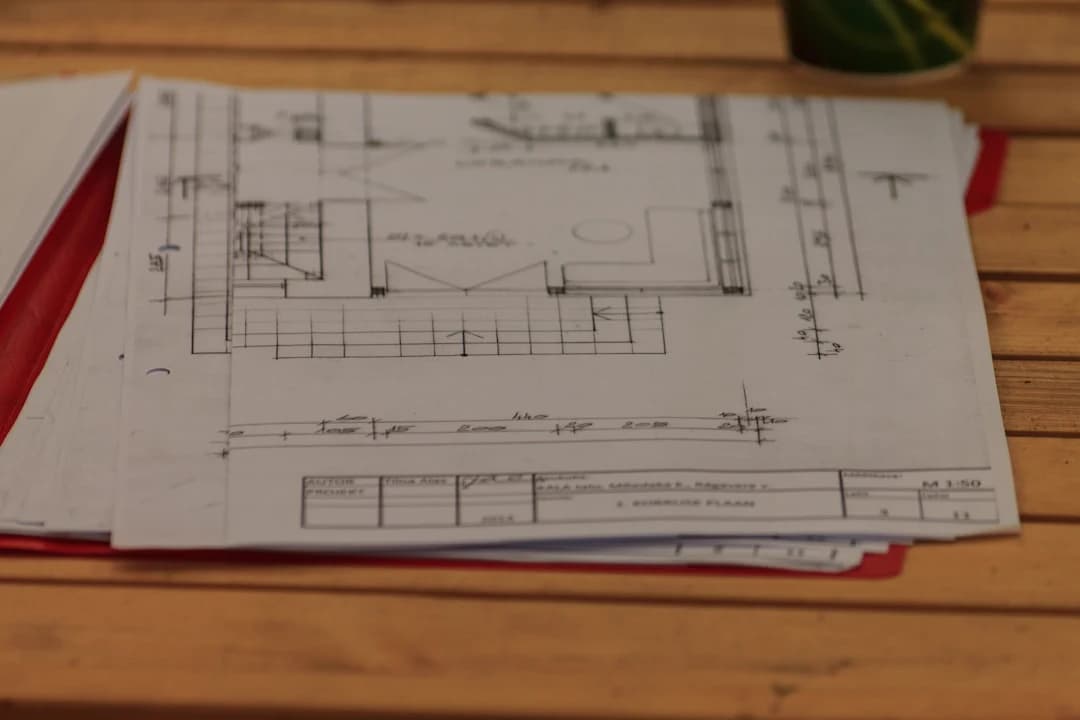
A detailed construction contract, clear scope of work, timelines, warranties, and responsibility on both sides. Legitimacy should be proven by documents, not claims.
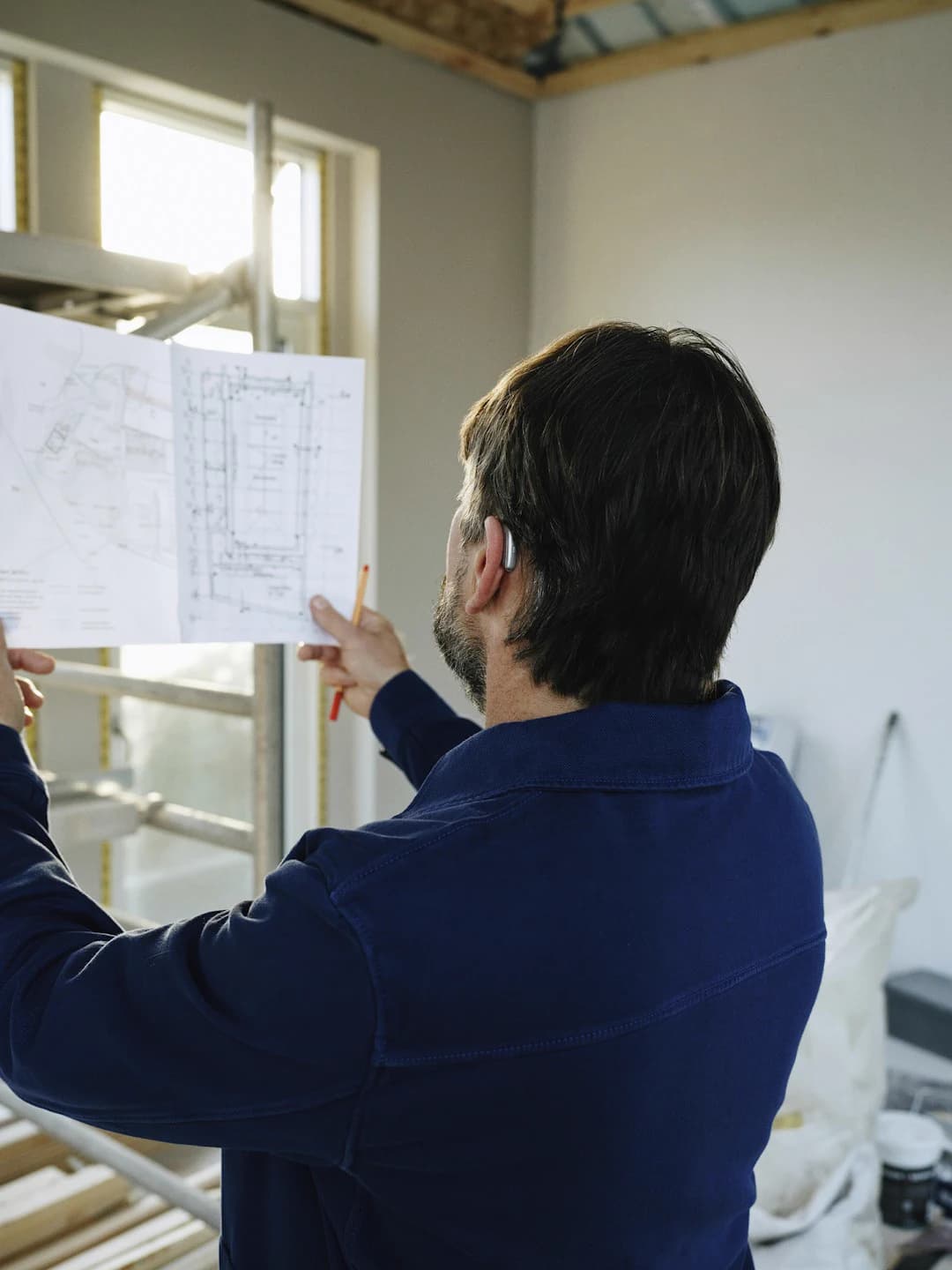
A responsible site lead, engineers, a technical director, and a clear role map. The client should understand who actually manages the project and execution.
Checkpoint logic, photo documentation, hidden-work records, and design-compliance control. This is what protects quality in reality.
Regular reporting, a clear approval flow, and an understandable process for discussing changes in timing, budget, and decisions during the build.
Bereke Group builds trust not through marketing claims but through a verifiable system: a proper legal base, an engineering-led team structure, mandatory technical supervision, detailed estimates, process photo documentation, and regular client reporting. We are ready to show not only the result, but the execution logic itself before any contract is signed.
A practical comparison between the signals that should make a client cautious and the signals that confirm a contractor's maturity and process discipline.
The contractor is not ready to detail the estimate before signing the contract.
There is no way to review active sites, only photos of finished houses.
There is pressure to make a quick decision or an artificially limited offer.
The contract is simplified and does not clearly define scope, deadlines, warranties, and stage acceptance.
There is no clear answer about who is responsible for technical supervision and quality control.
The company's documents, licenses, or legal basis cannot be verified.
Willingness to show a detailed estimate with work items and materials.
Ability to review active sites at different construction stages.
A clear team structure: engineers, site lead, technical director, and control roles.
A transparent contract with a detailed scope, deadlines, and responsibility.
Technical supervision supported by photo documentation and stage records.
Calm, detailed explanations of quality control and stage acceptance procedures.
Send your project details or questions and we will explain how we organize construction, how control works, and what proof of operational discipline we are ready to show.
Discuss the project with the teamUseful pages for evaluating a contractor further and making a better-grounded decision.
How Bereke builds accountability through documents, control logic, and a transparent client-protection system.
The main service page covering full-cycle construction with engineering control and a managed process.
How the budget is formed, what the estimate includes, and why price transparency matters before project start.
The team, processes, and system-thinking approach behind Bereke Group.
Review real house scenarios and see how project type affects budget, process, and contractor selection.
Send your project parameters or questions. We will explain how the process is organized, who controls quality, and what proof we can provide before any estimate discussion.
Send request