Bereke Group
Bereke Group
Design & Build
Plot selection

How to Choose a Plot for House Construction

A bad plot can increase the budget by 30-50%, limit the layout, and create long-term comfort issues. This first section explains what to check before buying.

Terrain and slope
Utilities
Constraints
15 min read
Aerial view of a plot to assess terrain and surroundings

An aerial view helps assess terrain, surroundings, and access

What to check before purchase

A quick checklist for evaluating a plot. Save it and use it during site visits.

Access road and entry

  • Year-round access
  • Width for machinery
  • Legal access rights

Terrain and slope

  • Height difference
  • Need for retaining walls
  • Drainage and water runoff

Shape and dimensions

  • Plot proportions
  • Boundary setbacks
  • Enough usable area

Utilities

  • Electricity and available power
  • Water supply options
  • Gas and sewerage

Neighbours and surroundings

  • Nearby development
  • Privacy
  • Noise and infrastructure

Legal constraints

  • Land category
  • Protected zones
  • Urban planning rules

Important: these criteria are interrelated. For example, difficult terrain combined with missing utilities can sharply increase site-preparation costs before construction even starts.

Why a plot must be evaluated together with the house scenario

Many buyers try to separate the land purchase from the future house: first buy the plot, then think about the project. That sequence is risky. A plot is not just a land area but a set of conditions that either support the house scenario or make it expensive and compromised.

If you want a two-storey house with a two-car garage but the plot is narrow, part of the program may become unworkable without sacrificing daylight, privacy, or access logic. If panoramic views matter, the orientation of the plot can make the architecture more complex and expensive.

A safer approach is to define the future house first and then look for a plot that supports that scenario without avoidable engineering and budget distortions.

Terrain, soil, and seismic context

The slope of the plot directly affects foundation cost, retaining walls, drainage, and earthworks. If water naturally flows toward the future house, drainage stops being optional.

Soil type determines which foundation logic is actually appropriate. Weak or problematic soils can change both budget and timeline. In Almaty, the seismic context also matters before purchase, not only during design.

If no geotechnical survey exists, that should be treated as delayed risk. The cost of surveys and the possibility of a more complex foundation need to be included early.

Shape, setbacks, and layout limitations

The width and geometry of the plot affect not only the buildable footprint but also the quality of the future layout. A plot can be sufficient on paper and still be awkward in practice.

After mandatory setbacks, the usable width may shrink sharply. That is especially important for single-storey houses, garage scenarios, and family programs that need facade width, daylight, and clean internal logic.

Access direction also influences the project. Sometimes the house ends up adapting to the driveway instead of the lifestyle scenario.

Utilities: promise versus actual connection logic

The phrase 'utilities are nearby' is not enough. What matters is whether connection is technically possible, what capacity is available, where the real connection point is, and how much time and money the process will take.

Electricity, water, gas, and sewerage can turn a visually attractive plot into an expensive and slow-starting project. Autonomous systems and utility extensions form a separate budget and operational layer.

Before purchase, it is better to verify documents, technical conditions, and realistic connection scenarios rather than relying on sales language.

Orientation, views, and long-term comfort

Orientation affects sunlight, room quality, and energy demand. For a house, this is a core comfort issue rather than a secondary detail.

Views also need a pragmatic reading. A strong view today can disappear after neighbouring development if surrounding plots are still empty.

Privacy, noise, nearby public facilities, and the character of the street all shape whether the plot will remain comfortable several years after construction.

Why a cheap plot often makes the whole project more expensive

A low price often hides future costs: difficult terrain, weak soil, missing utilities, poor access, and legal limitations. That is why the comparison should include not only the land price but also the cost of preparing the plot for construction.

In practice, these hidden preparation costs often make the cheap plot less efficient than a more expensive but construction-ready option.

A rational comparison should include the full launch cost of the project rather than the purchase price alone.

  • Electricity and water connection
  • Retaining walls, drainage, and earthworks
  • A more complex or more expensive foundation
  • Access-road and logistics setup
What to look at during a plot visit

Visual signals often reveal fastest whether a plot will support the house comfortably or push the project into avoidable cost and compromise.

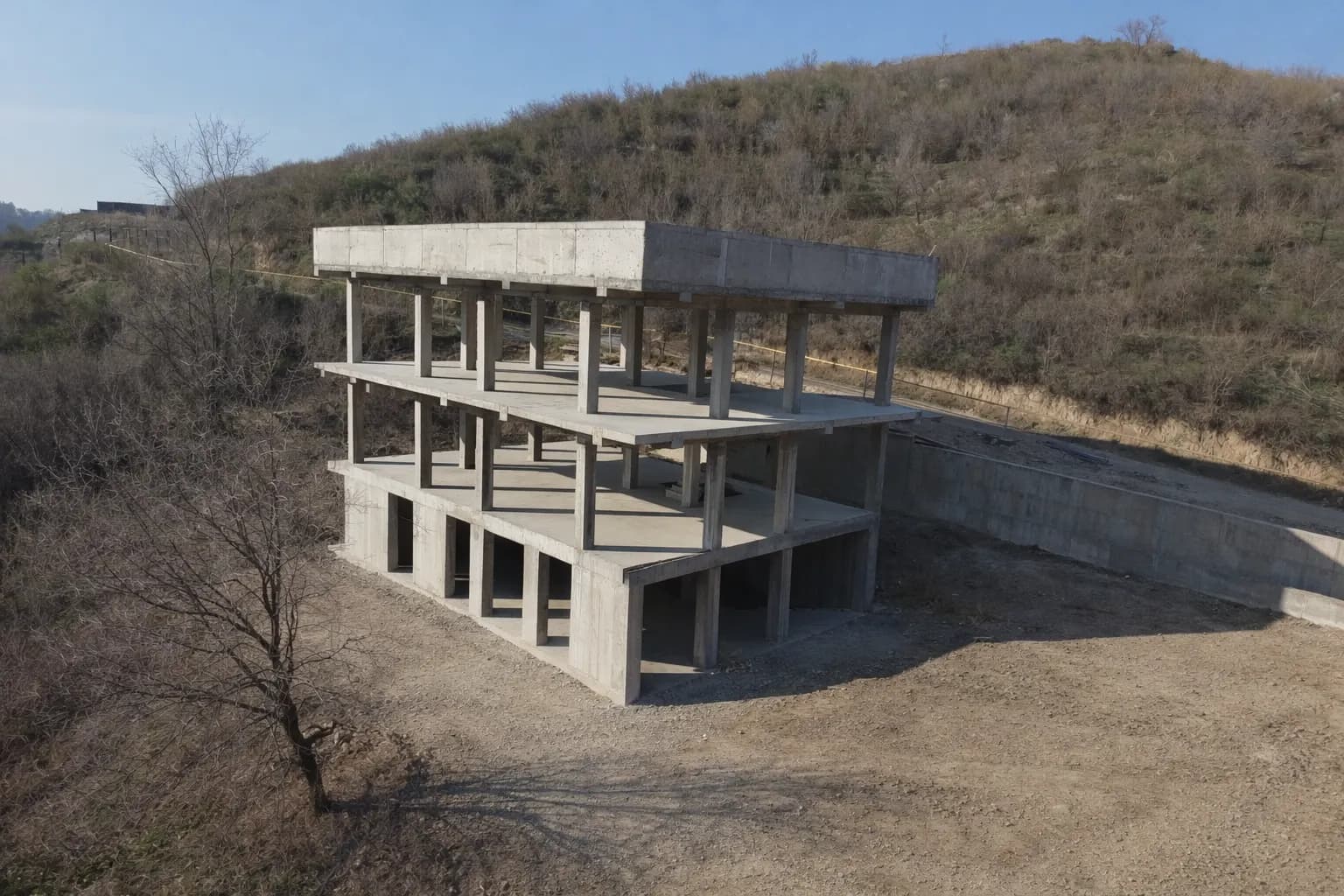
A sloped plot in the foothill zone near Almaty

Terrain and level difference

Even an attractive sloped plot may require retaining walls, drainage, and a more complex house placement strategy. That should be understood before purchase.

Site preparation and construction access conditions

Access quality and logistics

The access road affects not only future convenience, but also machinery entry, material delivery cost, and the pace of site work.

Surrounding development around a residential plot in Almaty

Utilities and surrounding infrastructure

A plot may look ready at first glance, but the distance to utilities, neighbouring development, and the character of the surroundings quickly show the real connection and privacy logic.

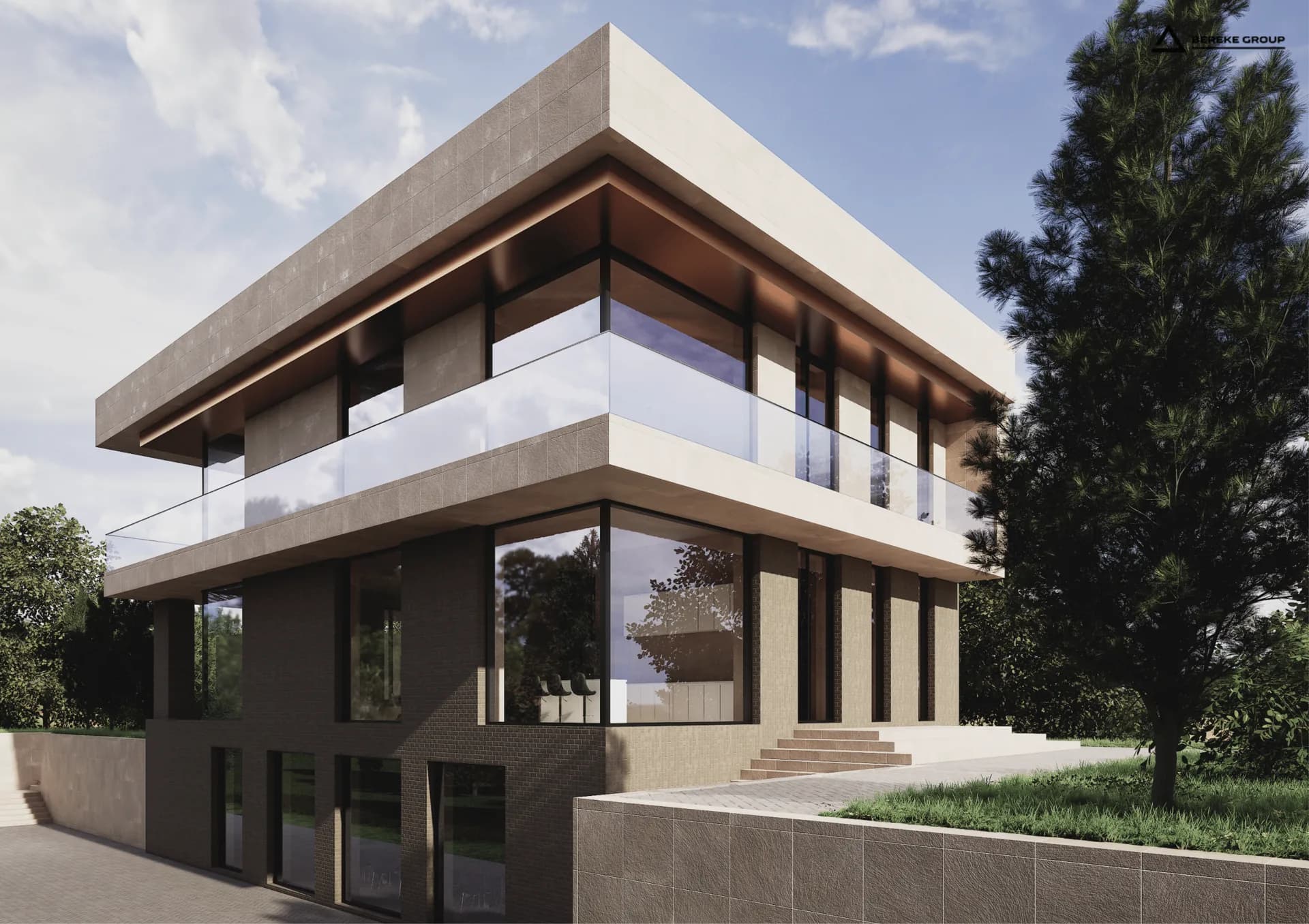
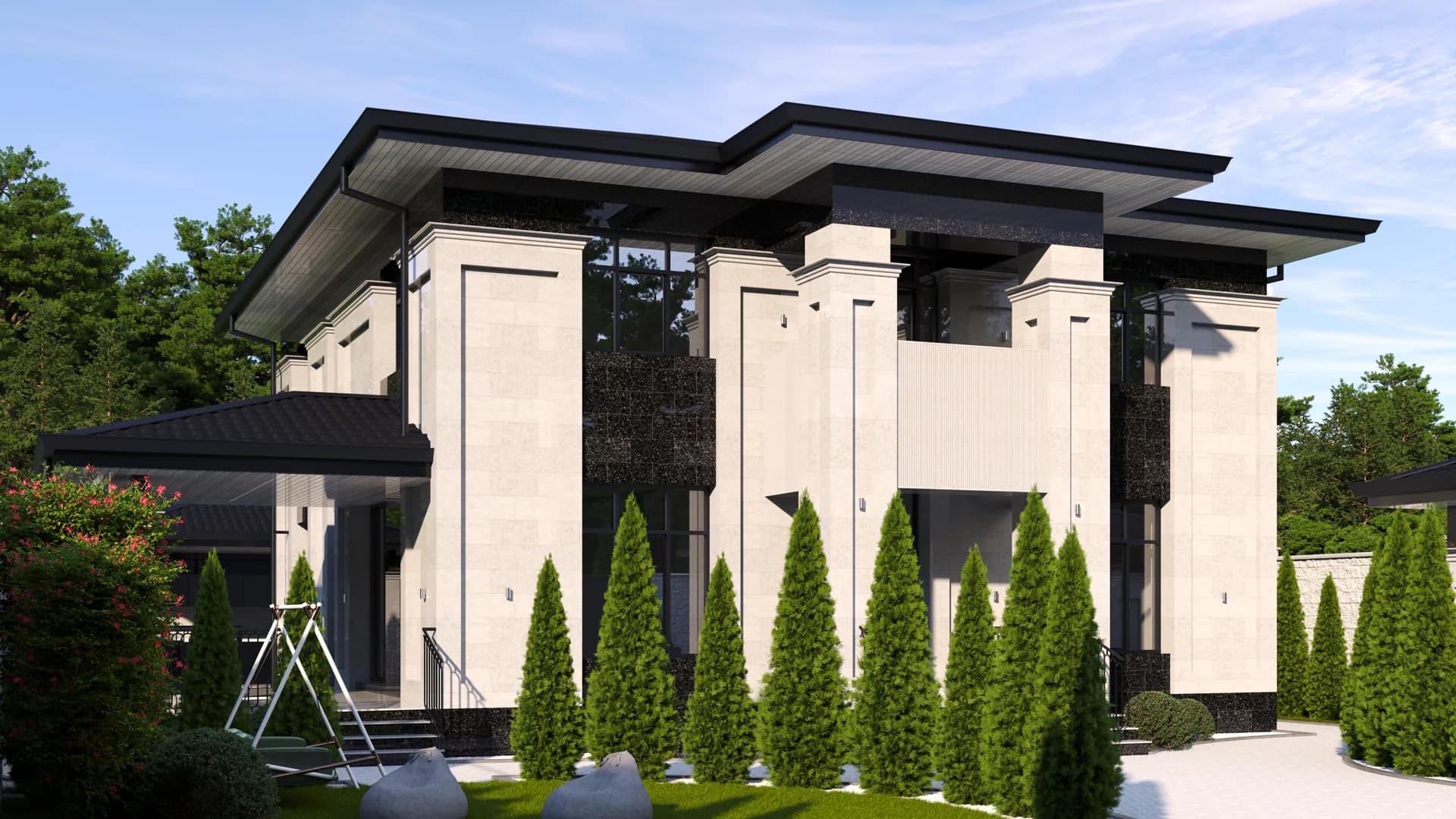
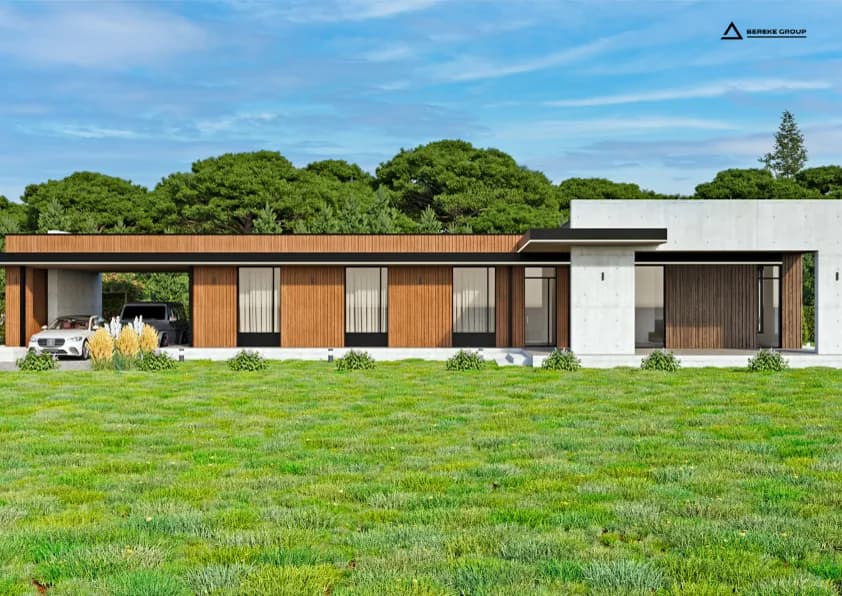
A modern house positioned on a compact plot

Fit between the plot and the future house

During the visit, it is useful to look beyond the land itself and imagine the house placement, parking, terrace, movement logic, and key view directions.

Site review before purchase

Bereke reviews a plot through an engineering and design scenario rather than abstract impressions: terrain, access, water, neighbours, boundaries, house placement, and constraints that can affect layout quality.

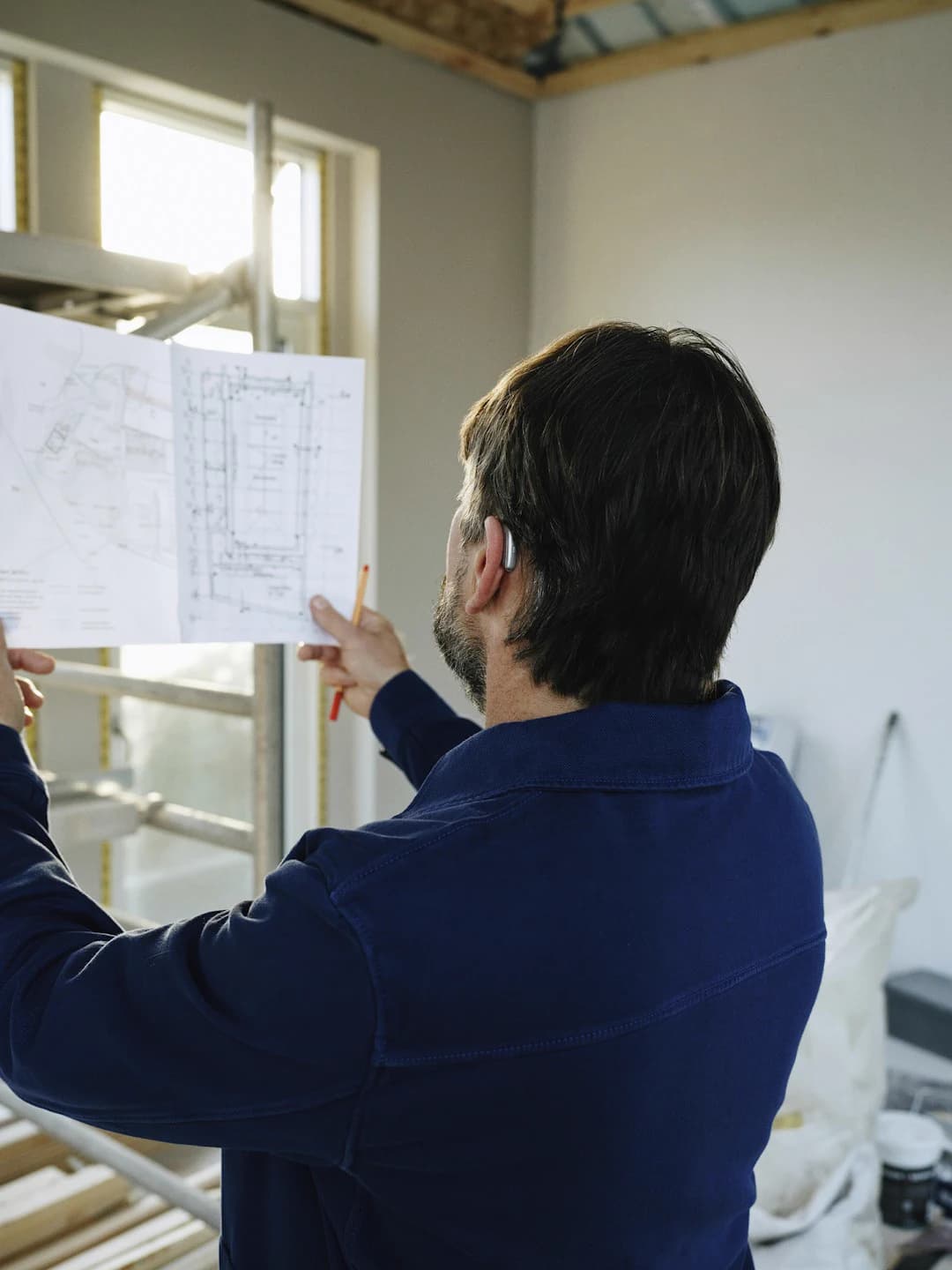
A plot scheme before the deal

In practice, it helps to sketch slopes, entry, probable house placement, parking, and utility connection points before buying. That makes the budget and layout impact visible earlier.

What to do before the final purchase

A practical action protocol that removes expensive surprises before the deal is signed.

1. Visit the plot yourself

Try to see the plot more than once. Check the road after rain, the noise level at different times, where water gathers, and how the sun moves across the site.

  • Measure the slope at least with a basic mobile level tool.
  • Photograph the boundaries, access road, neighbours, and key view directions.
  • Save coordinates and short notes for a later technical review.

2. Ask the seller specific questions

Do not rely on vague phrases like "utilities are nearby". You need distances, proof, connection conditions, and a clear background for the plot.

  • Electricity: available capacity and whether technical conditions already exist.
  • Water: central connection, well, or another scenario.
  • Gas and road: rollout timing, legal access rights, and maintenance responsibility.
  • Geology and soil: whether studies were done and whether the report can be reviewed.

3. Review documents and building constraints

Legal clarity and planning rules shape the future house just as much as the view or the location itself.

  • Land category and permitted use of the plot.
  • Setbacks, height limits, density rules, and local building regulations.
  • Protected zones, power lines, water or sanitary restrictions.
  • Encumbrances, pledges, or third-party rights.

4. Discuss the plot with a designer or builder

A professional review before purchase is not a formality. It helps reveal realistic site-preparation cost, feasible house placement, and hidden compromises.

  • Send photos, coordinates, and a plot plan before paying a deposit.
  • Check whether your house scenario actually fits the site constraints.
  • Understand which extra costs may appear before excavation even starts.

Why an early review saves money

A plot review before the deal is almost always cheaper than correcting a bad purchase afterwards. One timely insight about slope, access, restrictions, or utilities can protect millions of tenge and preserve the quality of the future house layout.

Next steps

Once the plot is clear in terms of risk and constraints, these routes help move the project into the next decision with less uncertainty.

Send plot photos for a preliminary review

If you already have a plot or are comparing several options, send photos, coordinates, and the scheme. We will help assess whether the site fits your house scenario and what constraints matter early.

A preliminary review is especially useful before paying a deposit or closing the deal.