

Why the 'brick or gas block' debate is usually framed the wrong way
The market often sells brick as a symbol of capital strength and gas block as a symbol of rational thermal performance. Both formulas oversimplify reality. A house does not work as a single wall material: the outcome depends on the foundation, load-bearing scheme, insulation, facade, windows, engineering systems, joints, and the quality of assembling the whole envelope.
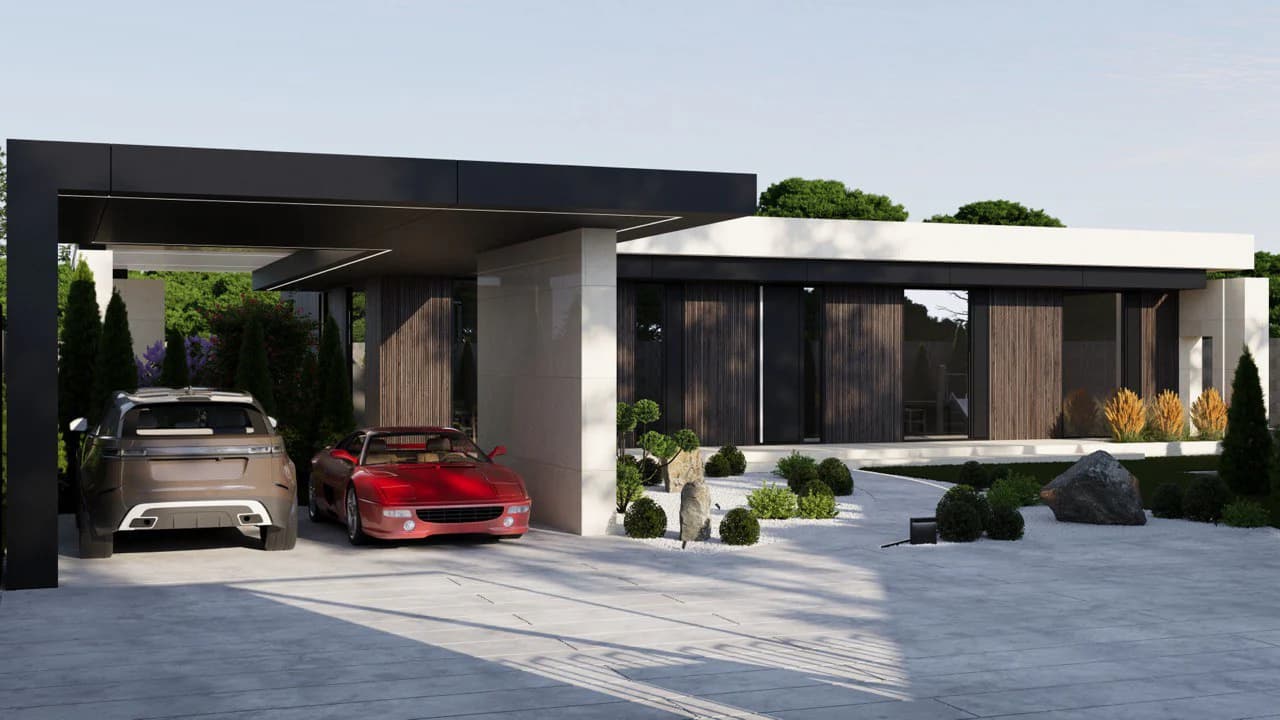
That is why the question 'which is better' should be moved into project-fit logic. For one house, brick really will be the right choice because image, durability, and facade strategy matter. For another, gas block will provide a more rational balance of weight, schedule, and thermal performance. Wrong choices usually come not from the material itself, but from comparing them without a project and without an honest discussion of tradeoffs.
When brick is genuinely justified
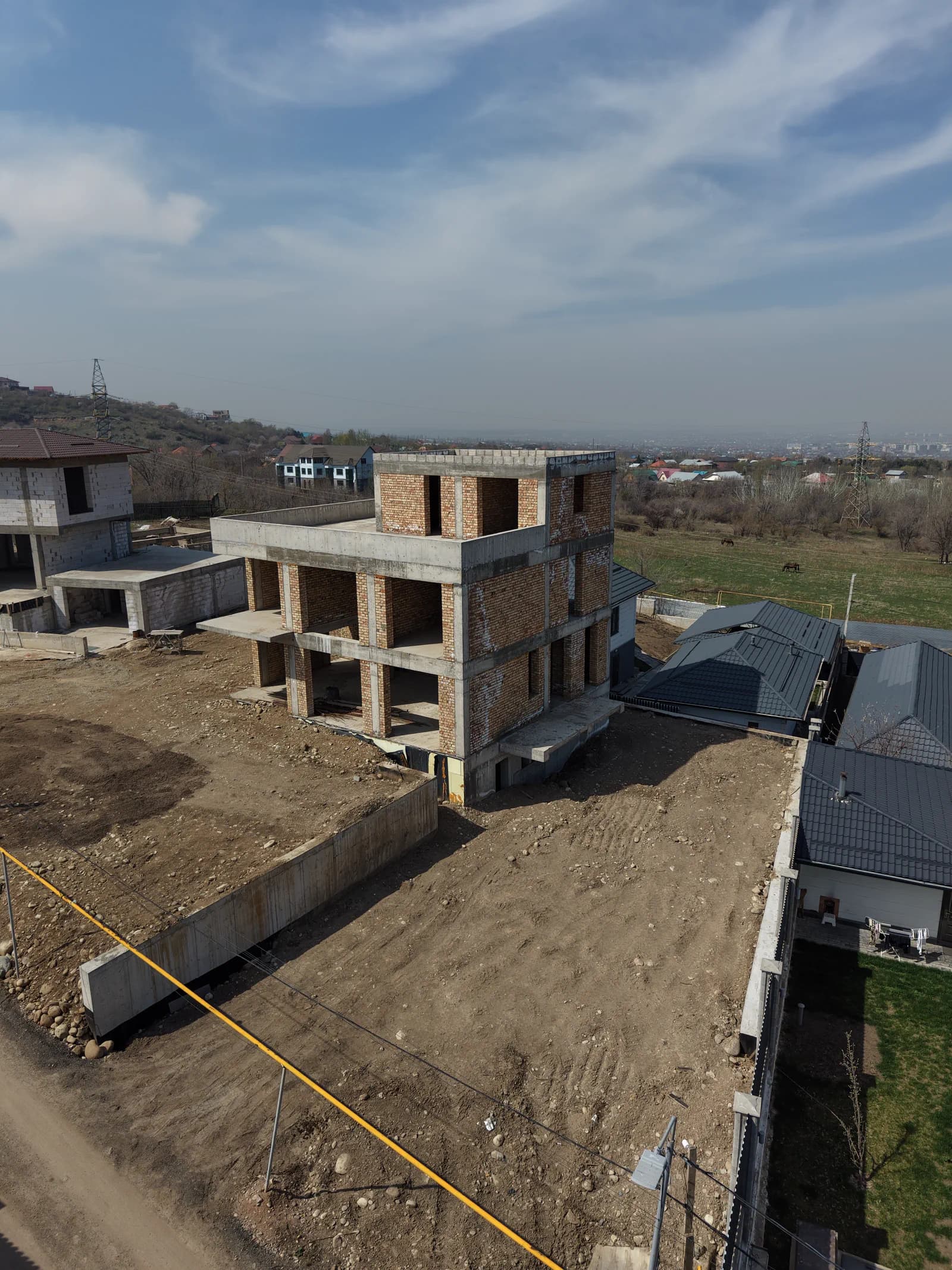
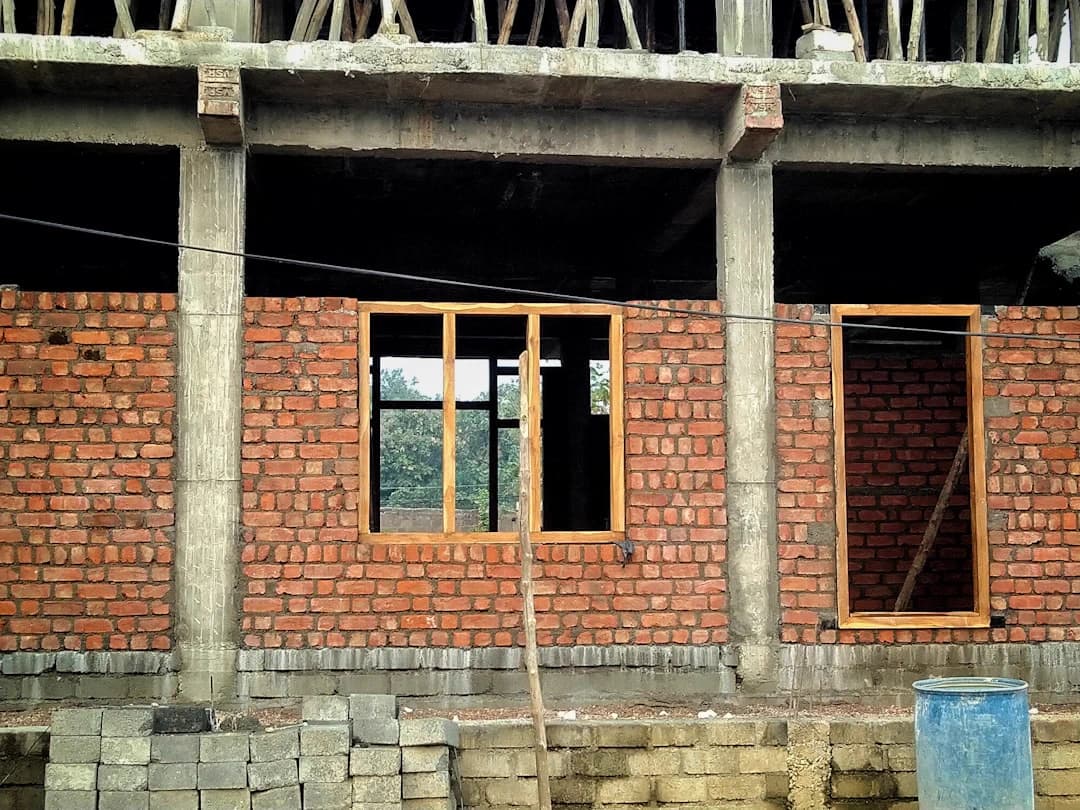
Brick makes sense where the client consciously chooses a more massive, capital system and the architecture of the house supports that logic. This is the scenario where facade character, monumentality, long-term resource, and a calmer, less flexible structural logic are important.
At the same time, brick should not be romanticized as universally superior. Its weight raises foundation demands, and the speed of shell construction is lower than with lighter wall systems. If the project and budget do not gain real value from that, capital character turns into an expensive image without enough engineering benefit.
Brick is especially justified when the facade scenario, architectural expression, and the overall concept of the house truly benefit from the material, and when the team can execute masonry at a high level of quality.
When gas block has the stronger fit
Gas block is often more rational for contemporary private houses with clear geometry, moderate spans, and the goal of getting a warm envelope without unnecessary weight. It reduces load on the foundation and speeds up shell assembly.
Its strength is not that it is 'cheap', but that with the right project logic it creates a strong balance between thermal performance, weight, and construction speed. But that balance is easy to break with poor masonry, sloppy joints, missing reinforcement, and weak facade solutions.
If the project does not need demonstratively massive walls and the house can be assembled through a rational structural scheme, gas block often gives a cleaner engineering answer without reducing user comfort.
Why execution quality matters more than material myths
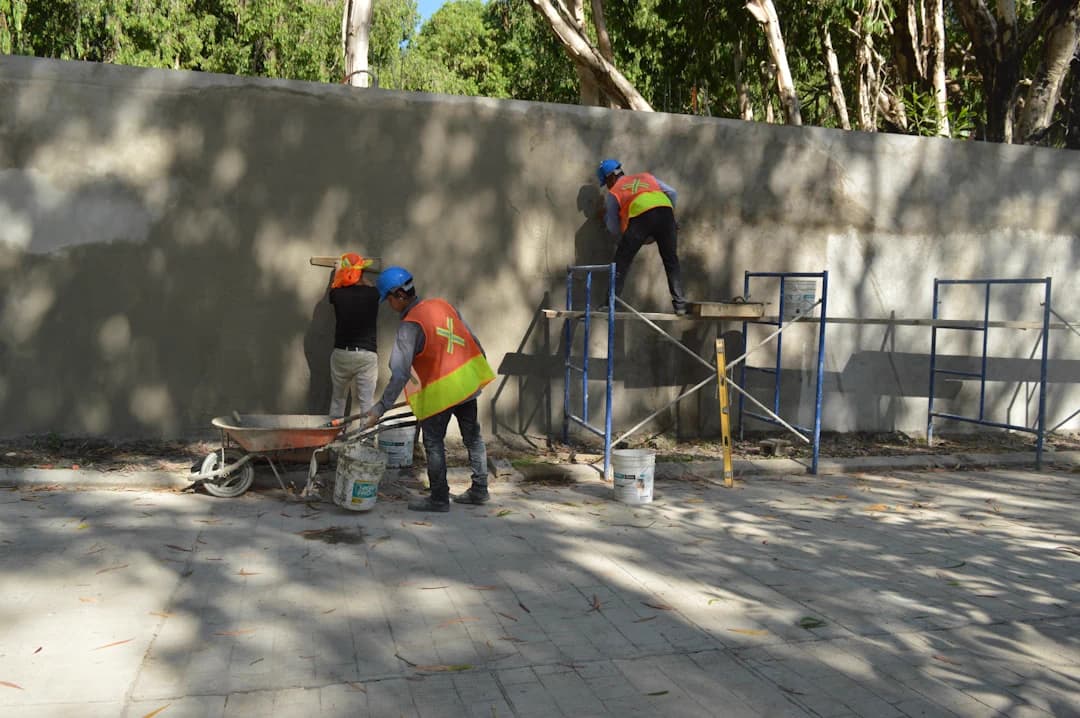
Brick with poor geometry, weak mortar, broken bonding, and unresolved joints does not become reliable just because of the material name. Gas block with wet masonry, reinforcement mistakes, and weak facade protection also loses its advantages very quickly.
This matters even more in Almaty, where the structure and the envelope have to work as one system: site, foundation, seismic calculation, junctions, facade, and engineering. Choosing between brick and gas block without tying the decision to design and the execution team means choosing not a technology, but a construction myth.
Main conclusion of the article
Brick does not win automatically because of its capital image. Gas block does not win automatically because of thermal performance and a lighter shell. Both materials can be strong solutions when they match the architecture, budget, foundation, facade system, and the real level of the contractor.
The correct answer appears not in an abstract argument, but after design work: when the loads, facade strategy, timeline, cost of mistakes, and final image of the house are understood. Then the choice between brick and gas block becomes an engineering decision rather than a matter of belonging to a taste camp.