


Residential Complex & Cottage Community Design in Almaty
Bereke Group structures development-scale projects through masterplan logic, circulation planning, infrastructure coordination, typology and density decisions, phasing, and implementation readiness. We think at the scale of the site and development system, not just individual buildings.
Development-scale projects with a systematic approach to site planning and infrastructure
Why masterplan is critical before starting development
Sound planning from the start determines the success of the entire project — from economics to quality of environment
How the site gets structured
Good planning defines land-use logic, zoning, placement of buildings, public spaces, and service zones — the foundation of the entire development.
Density and typology decisions
Choosing building formats, typologies, floor counts, and density affects project economics, target audience, and the character of the environment.
Internal roads, access, and circulation
Proper organization of driveways, internal roads, pedestrian routes, and parking defines livability and logistical efficiency.
Infrastructure logic and engineering readiness
Coordination of utility networks, drainage, energy supply, and other systems is critical for implementability and future operation.
Phasing, predictability, and implementation quality
Thoughtful construction staging, clear documentation, and sequence planning reduce risks, simplify financing, and accelerate launch.
A residential complex or cottage community is not a collection of individual buildings — it is a development system. The quality of planning at the early stage determines how structured, implementable, and successful the project will be. A weak masterplan creates problems for years; a strong one lays a sustainable foundation.
What gets resolved in a residential complex or cottage community project
Specific planning tasks for development-scale projects — from site analysis to completed documentation
Site analysis and constraints
Studying topography, geology, existing utilities, boundaries, regulatory requirements, access, and surroundings to understand opportunities and limitations.
Zoning and land-use structure
Structuring the site into residential zones, public spaces, infrastructure, service areas, green areas, and reserves with functional logic in mind.
Building placement and public areas
Planning the location of residential blocks, public buildings, playgrounds, recreational areas, and other elements with regard to sunlight, views, and convenience.
Circulation, access, parking, and movement
Designing entrances, internal roads, pedestrian routes, parking, loading areas, and emergency access for efficient logistics and safety.
Typology and format decisions
Selecting and coordinating building types (townhouses, villas, low-rise blocks), floor counts, apartment sizes, adapted to the target audience and project economics.
Engineering and infrastructure coordination
Planning water supply, sewage, power networks, gas supply, stormwater drainage, heating, and other engineering systems at the site level.
Documentation and implementation readiness
Preparing the site plan, architectural decisions, engineering diagrams, specifications, and documentation for approvals, tenders, and phased construction.
How Bereke designs residential developments
A structured route from brief to an implementable masterplan, with coordination of all systems
Brief and development goals analysis
We study the project goals, target audience, building format, business model, timeline, and constraints. We document the vision and requirements for the outcome.
Site and source data analysis
We conduct site analysis: topography, geology, utilities, access, surroundings, regulations. We assess potential and constraints for the development.
Concept and masterplan logic
We develop the development concept, site plan, zoning, circulation, object placement, typologies, and the visual identity of the environment.
Architecture, structure, and engineering coordination
We synchronize architectural decisions with engineering systems, infrastructure, regulations, and implementability requirements at the site level.
Phasing and documentation preparation
We plan the implementation sequence and form a documentation package by phases: site plan, architectural decisions, engineering diagrams, specifications.
Implementation readiness
We hand over a complete package ready for approvals, tenders, and construction. If needed, we support subsequent implementation phases and design supervision.
Strategic development approach: we don't just visualize a development — we plan a development system with attention to site logic, phasing, infrastructure coordination, and readiness for phased implementation.
Residential complex and cottage community projects
Examples of development-scale planning with attention to site logic and phased implementation
Low-rise residential complex
Designing the site plan for a complex combining townhouses and low-rise blocks, with coordination of internal roads, recreational zones, and engineering infrastructure.
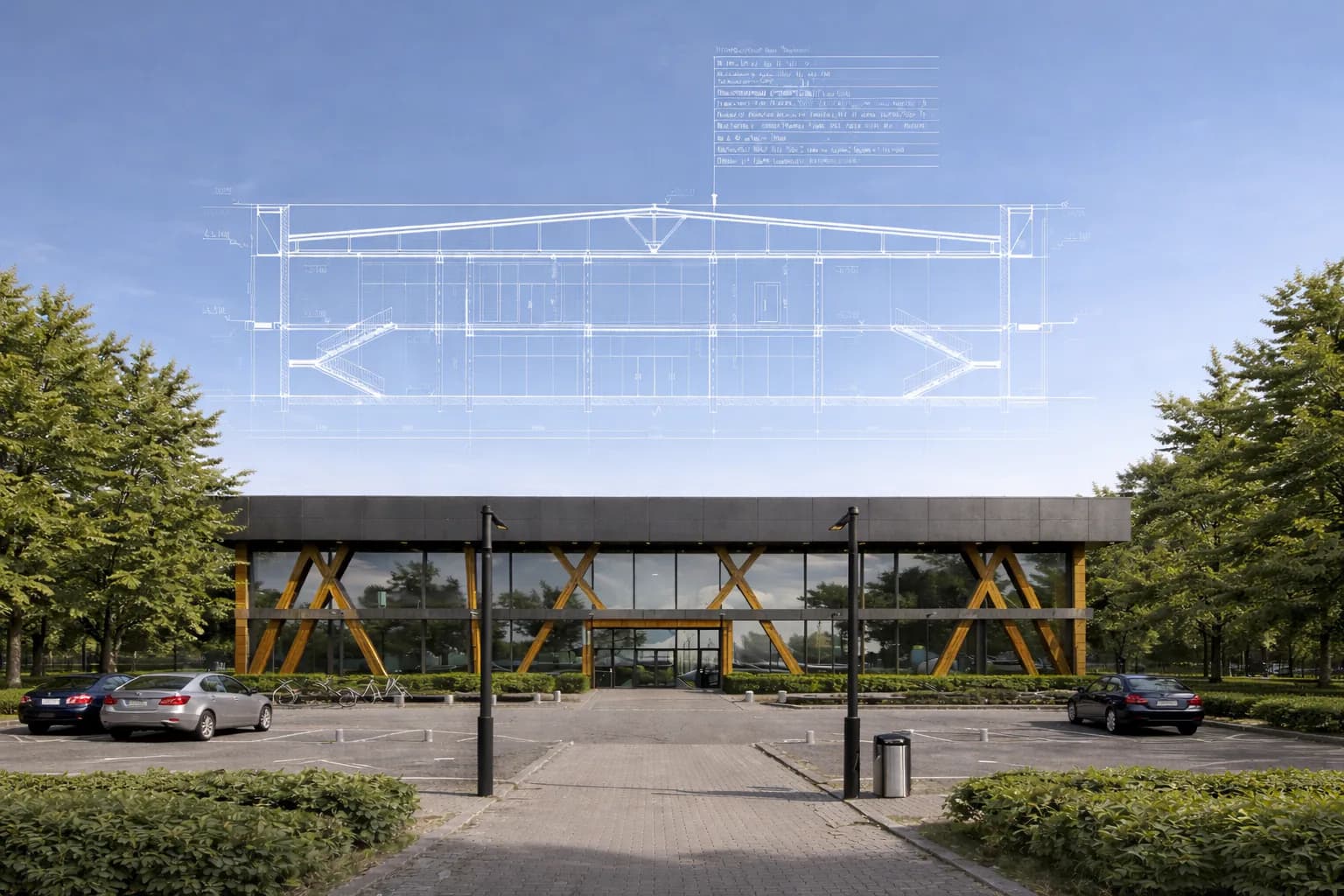
Premium-class cottage community
Site planning for a cottage settlement with focus on landscape, privacy, club infrastructure, and phased implementation across multiple stages.

Multi-functional complex
Designing mixed-use development with residential blocks, ground-floor commercial spaces, public areas, and underground parking.
Brief, source materials, and estimation logic
What's needed to start, how estimates are formed, and why early clarity matters
What's needed to start a discussion
Site information (address, area, boundaries, topography, photos/plans), development goals (residential complex, cottage community, mixed-use), target audience and building format, approximate density or number of units, existing utilities and access, project timeline and budget range.
How estimates are formed for development-scale projects
Design cost depends on site area, planning complexity, number of typologies and objects, volume of engineering coordination, documentation detail requirements, and phasing. We form a transparent estimate broken down by phases after receiving source data.
Why early-stage clarity reduces development risk
A well-thought-out masterplan helps avoid planning errors, unproductive redesigns, infrastructure problems, and implementation delays. Early identification of site constraints, engineering coordination, and phasing planning reduce the risk of costly corrections during construction.
How the design route connects to future implementation
After design completion you receive a full documentation package for approvals, financing, tenders, and phased construction. Bereke can support implementation as a general contractor or in a project management and design supervision format.
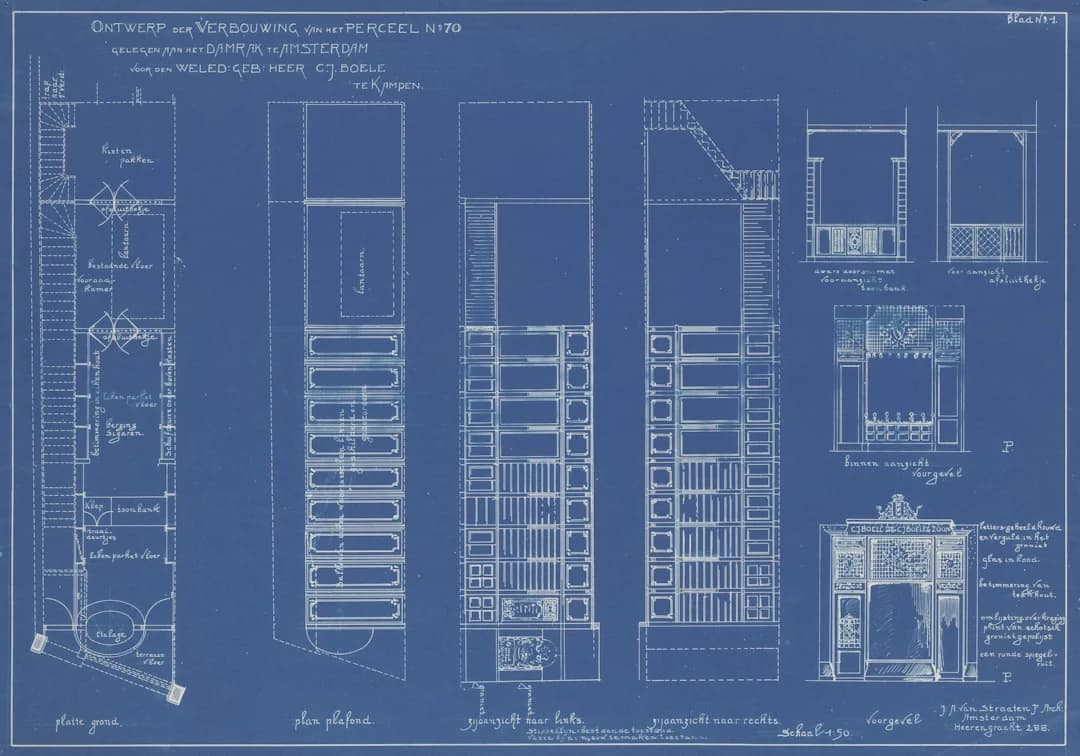
Structured documentation for implementation
Send your site materials
Share information about the site, development goals, and building format. We'll conduct a preliminary analysis, discuss the site's potential, propose a masterplan approach, and prepare a transparent estimate broken down by phases.
Frequently asked questions about residential complex and cottage community design
Practical answers on masterplan process, timelines, costs, and implementation
Discuss your development project
Tell us about the site, development goals, and building format. We'll conduct a preliminary potential analysis, discuss the masterplan approach, and form a transparent estimate considering the project scale and phasing.
Related services
Other commercial routes from Bereke Group