


01
Defining the key project parameters
Room count, number of floors, total area, floor logic, workspaces, and the relationship between shared and private zones must be set against the plot and lifestyle scenario.
Bereke Group designs and builds private brick houses with serious construction logic: the right foundation, controlled masonry, reinforced zones, a well-planned thermal envelope, and a transparent turnkey process.
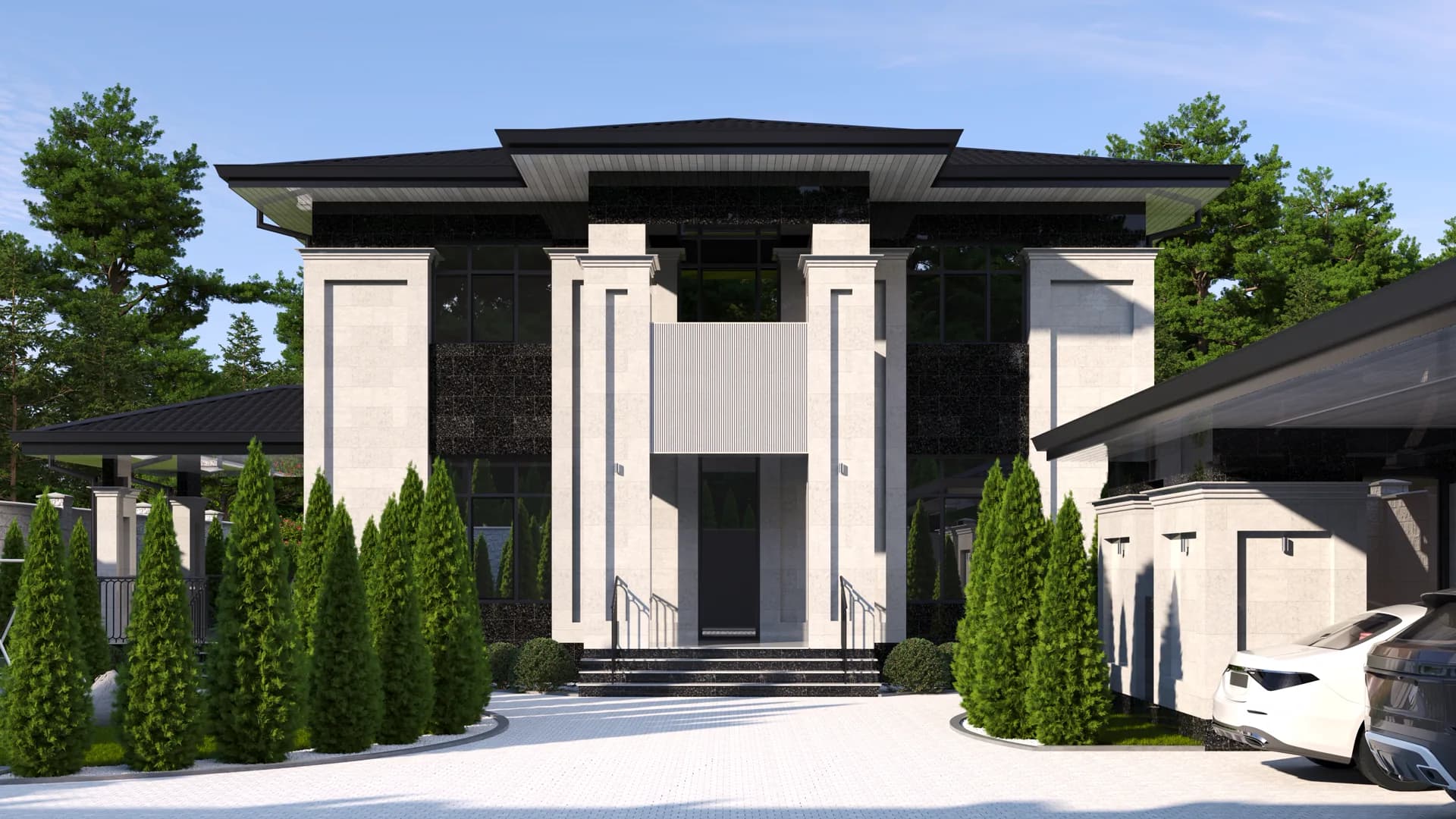
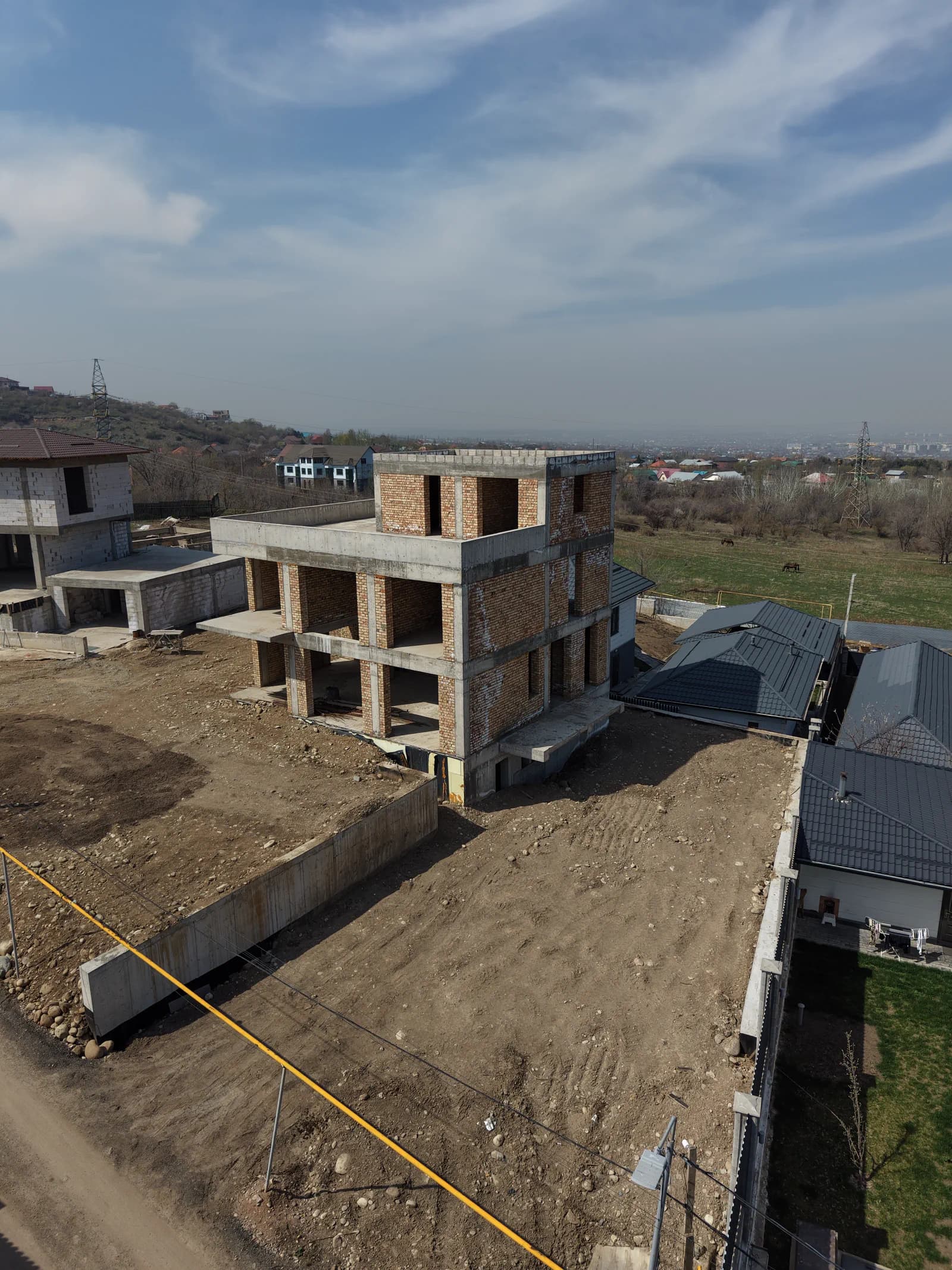
For a brick house, design is the first and most important stage. This is where layout, scale, style, family scenario, and engineering logic are defined before construction begins.
Room count, number of floors, total area, floor logic, workspaces, and the relationship between shared and private zones must be set against the plot and lifestyle scenario.
Brick homes require correct wall thickness, opening strategy, lintels, reinforcement logic, and structural coordination from the design stage onward.
3D visualization lets the client see facade character, brick material identity, proportions, and light before work starts, reducing late design changes on site.
Placement on the plot, terrace, parking, landscape routes, solar exposure, and terrain must be treated as one system with the house, not as afterthoughts.
Brick gives longevity, thermal mass, and strong material character, but it also brings heavier construction logic. Mistakes in wall system, openings, foundation, or masonry nodes become expensive once construction starts.
We preserve the strong legacy SEO logic of a clear staged process, but present it in a modern service-page format: from design and permits to masonry, roofing, facade strategy, and cost logic.
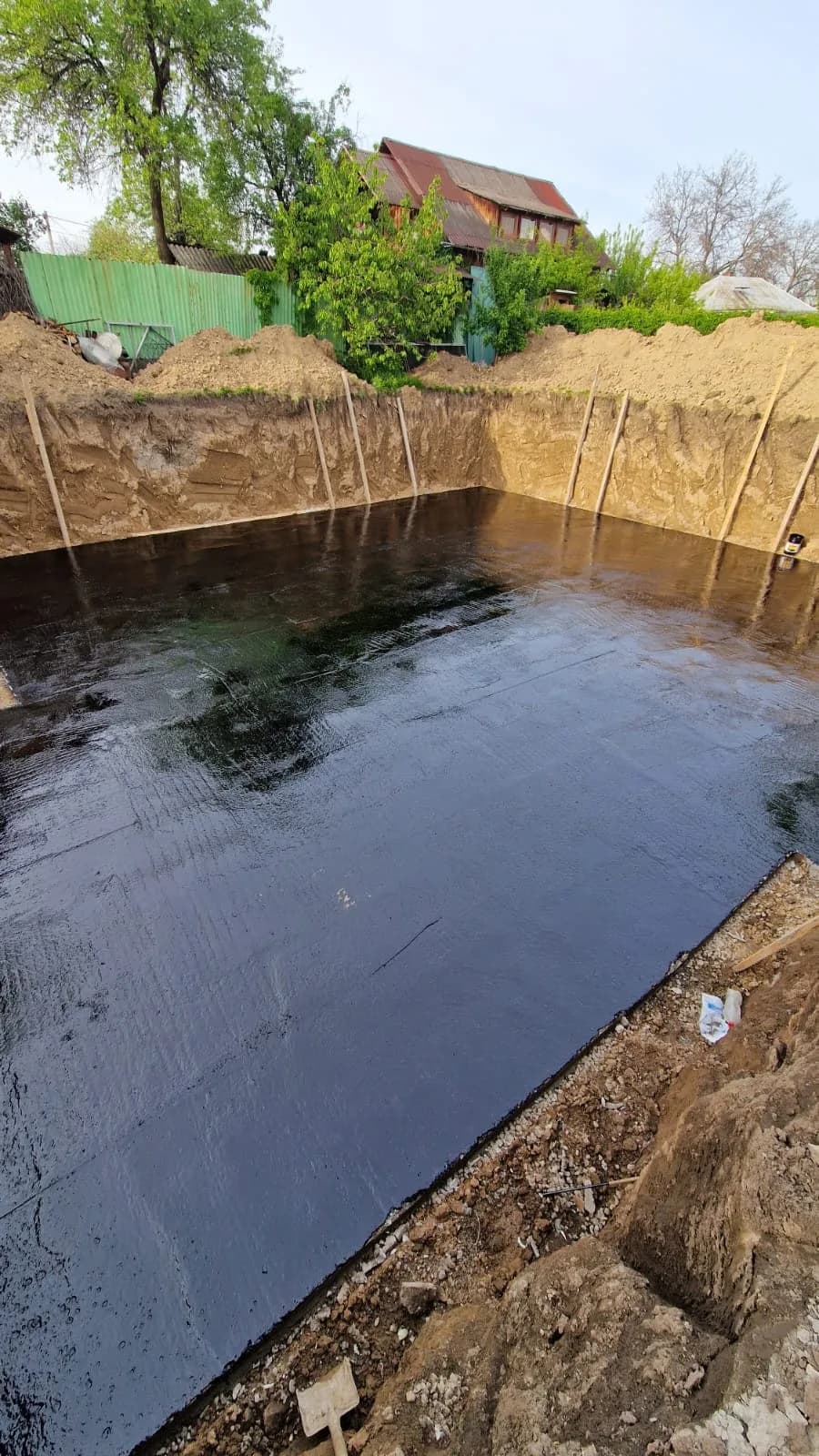
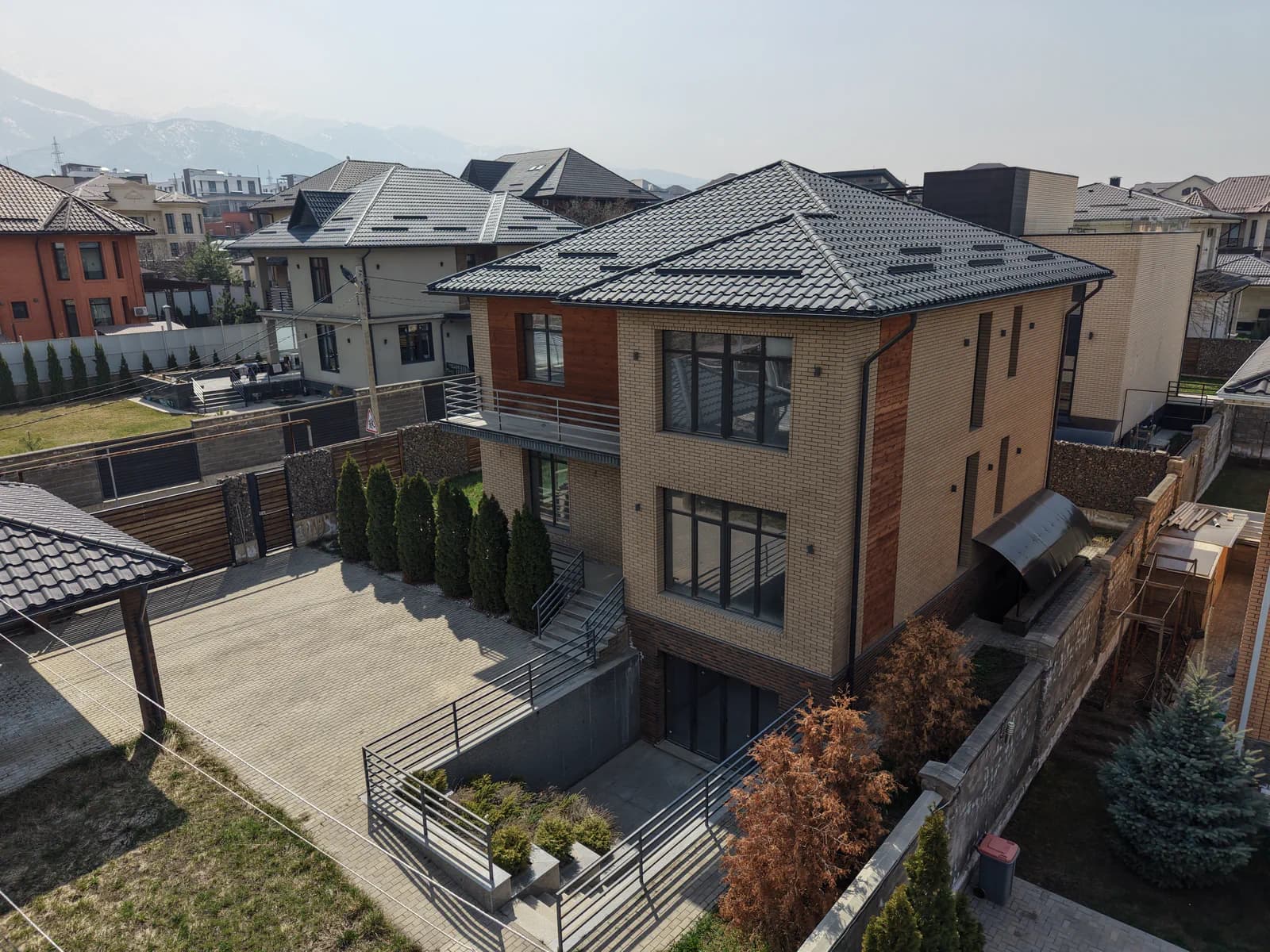
Layout, wall system, masonry thickness, openings, and reinforcement logic are defined at this stage.
Project documentation and permit workflow are structured as a managed route rather than a separate bureaucratic burden for the client.
A brick house is heavy, so the foundation must reflect soil conditions, loads, and waterproofing strategy.
Horizontal and vertical geometry, joints, mortar quality, and row-by-row control define both structural performance and the future geometry of the whole house.
Roof structure, waterproofing, and drainage nodes must work as part of the long-term structural system, not just as a finishing layer.
Natural brick, plaster, stone, or hybrid strategies are chosen based on architecture, budget, and whether brick should remain visually dominant.
Cost depends on the project, area, brick type, foundation, facade strategy, engineering systems, and completion level. We calculate it through project-based estimates, not slogans.
Brick is not a fast compromise. It is a long-horizon technology for clients who value permanence, durability, and architectural seriousness. That is why every stage is handled with engineering discipline and supervision.
We keep the visual rhythm from the example page but strengthen it with proof-first logic: material character, facade seriousness, controlled execution, and honest build fit.
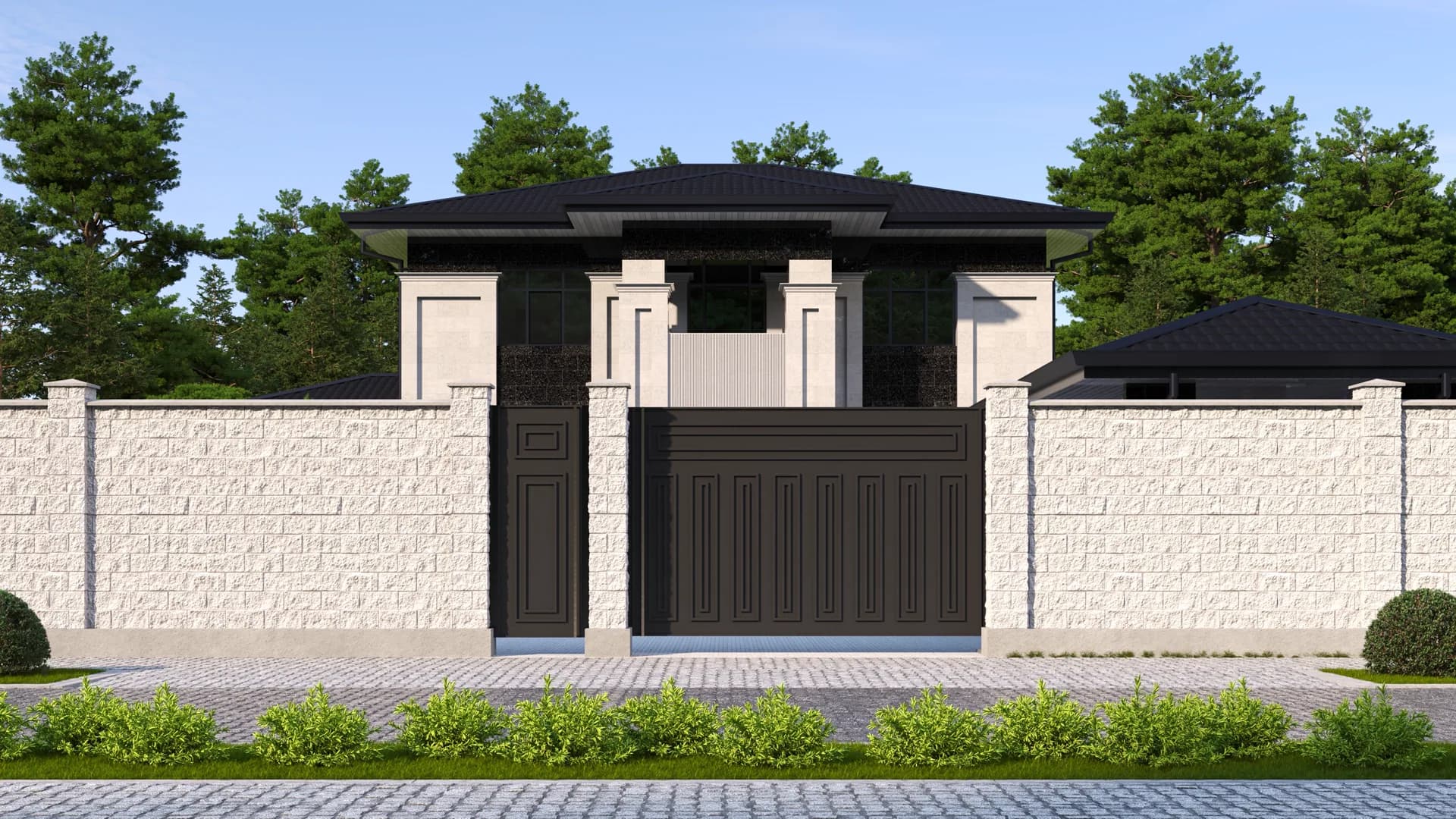
A project for a client who values a calm, permanent architectural language, durability, and the visual seriousness of the material itself.
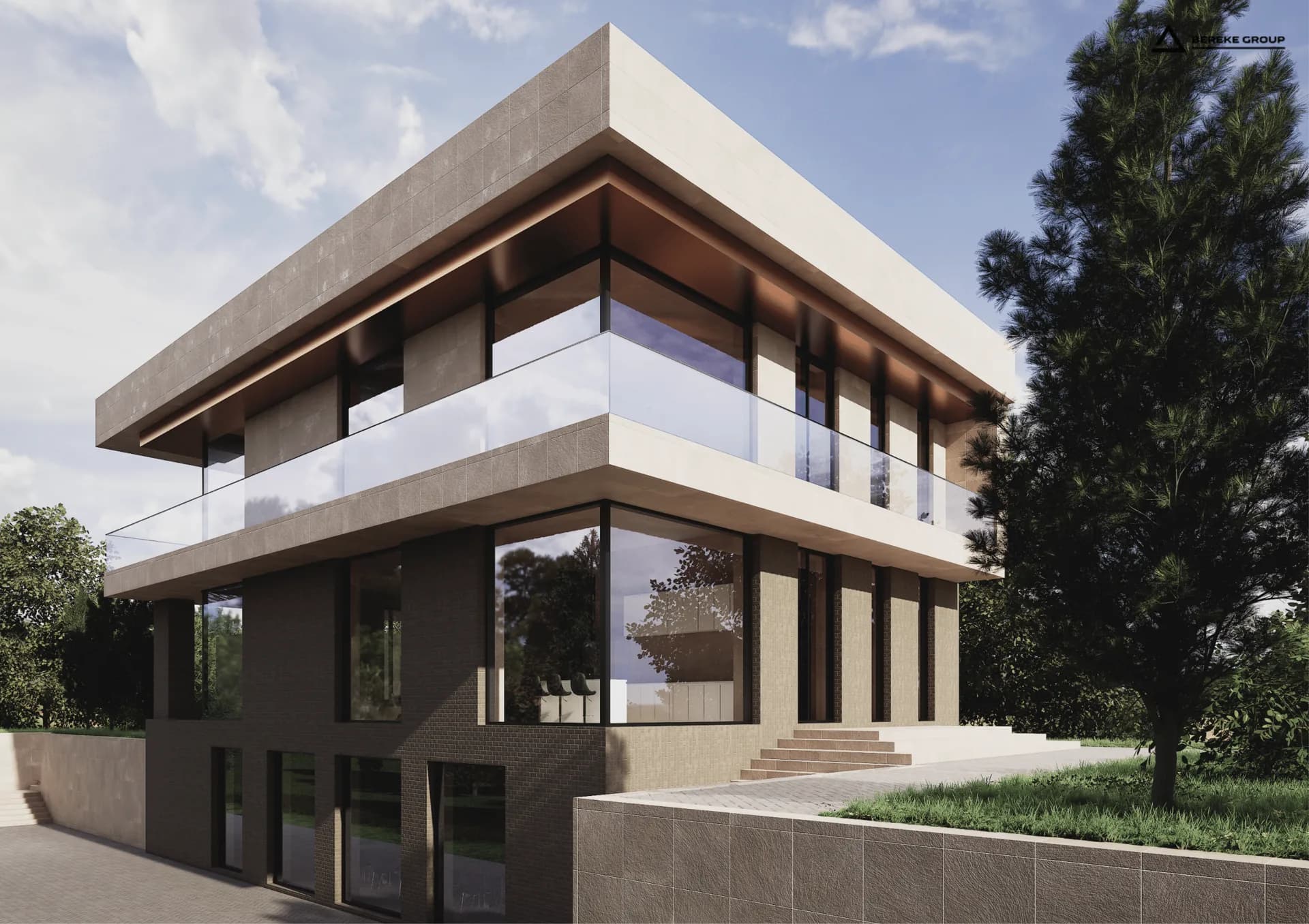
Brick is not limited to classical language. With the right composition, it can also create a precise, premium contemporary house with structural seriousness.
An honest view of both the strengths and the tradeoffs of brick helps clients make a mature decision. Brick is powerful not because it is universal, but because it is right for specific goals.
Brick is justified when you are building for a long horizon, value material identity, and accept a more serious budget and execution logic in return for permanence. If speed or leaner budget is the priority, we will show other technologies honestly instead of forcing brick as a universal answer.
We keep the strong commercial intent from the legacy page, but answer it through budget structure, engineering realities, and project-based estimating instead of a simplistic price claim.
A brick house usually costs more than an aerated-block house because masonry is more labor-intensive and the foundation logic is heavier. The real cost depends on the project, area, brick type, facade strategy, engineering systems, and completion scope.
Tell us about your project, your plot, and the kind of house you want. We will explain whether brick fits your scenario, what the cost logic looks like, and how the implementation process will be organized.
Open daily from 9:00 to 20:00 • Consultation and estimate are free