
Bereke Group
Bereke Group
Design & Build
Back to knowledge base
Knowledge base article

What to consider when choosing facade cladding

A facade decision affects more than visual appearance. It shapes moisture behavior, service life, maintenance needs, and how the house performs in Almaty's climate. That is why cladding must be chosen as a system, not as a pretty picture.

MaterialClimateSubstrateJoints and detailsMaintenance
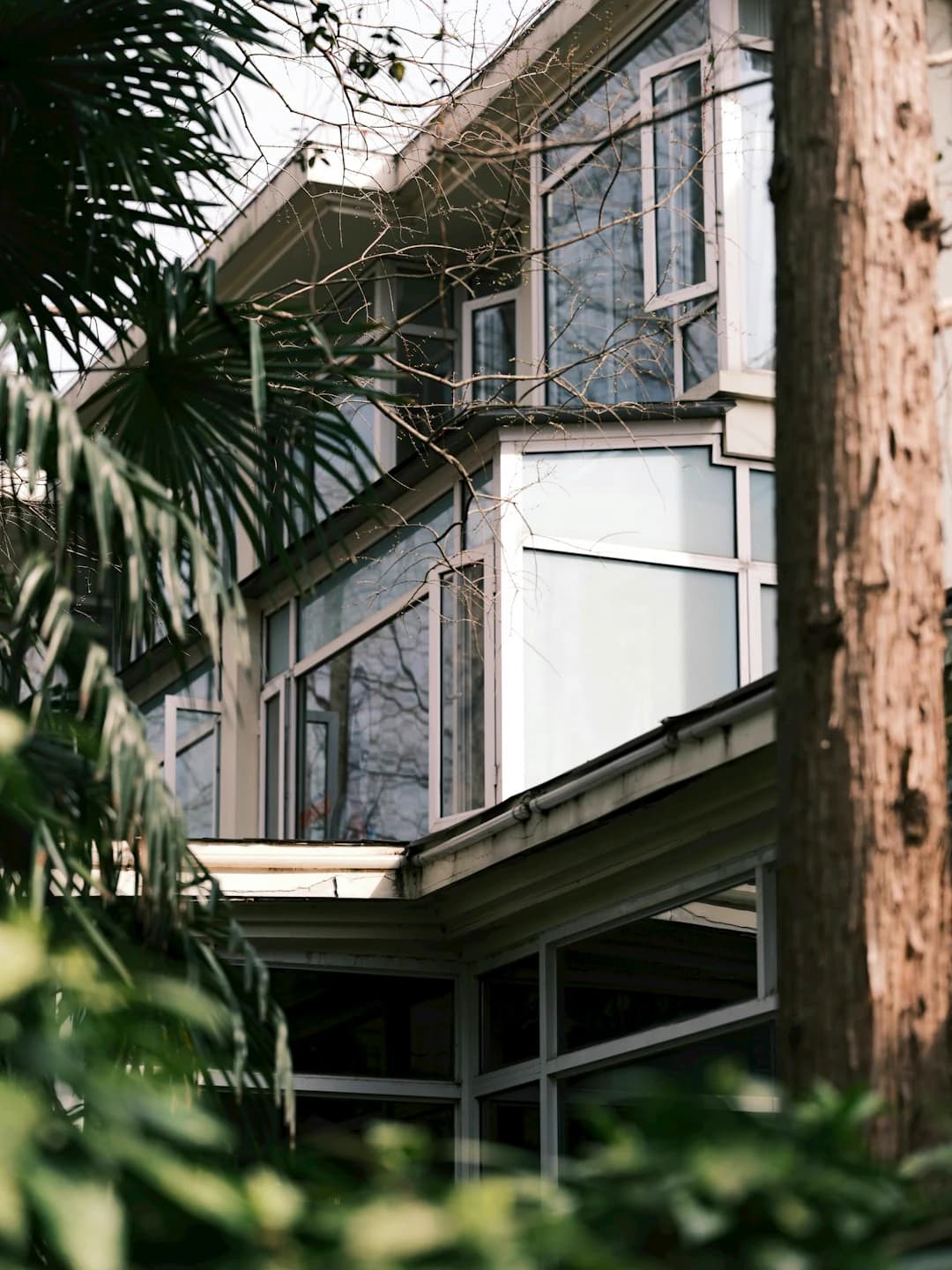
Modern Bereke Group house facade with combined cladding

A facade is assessed as a system, not by one sample

Even an expensive material performs badly if the substrate is not prepared, the joints are unresolved, and installation discipline is sacrificed for visual effect.

  • First, the wall, geometry, and moisture load are checked
  • Then the material is matched to architecture and climate
  • Only after that are price and maintenance scenario evaluated

What to evaluate before choosing facade cladding

A strong facade decision relies on a short but mandatory checklist. It helps avoid overpaying for the wrong material and prevents problems that appear after one or two seasons.

Climate and external load

Sun, temperature swings, wind, precipitation, and dust load plaster, wood, vented facades, and combined systems in different ways.

The material must fit the real operating conditions, not just a reference image from another country or climate.

Compatibility with the substrate

Monolith, gas block, brick, and insulated walls interact differently with fixings, moisture, and the weight of the facade system.

Poor compatibility causes cracks, delamination, thermal bridges, and weak junctions from the very beginning.

Joints, interfaces, and moisture logic

Windows, reveals, plinth, cornices, roof junctions, and ventilation gaps matter more than the marketing specification of the material.

This is where leaks, heat loss, and expensive facade rework most often begin.

Maintenance and long-term behavior

Some solutions look impressive but demand regular care, coating renewal, or more delicate operation.

A facade should be chosen with year 3, 5, and 10 in mind, not only for the handover day.

Core logic

There is no universally best facade material. There is only a solution that fits a specific house, substrate, climate, budget, and maintenance scenario better or worse.

How to think about facade choice without superficial mistakes

Facade choice often starts with visual preference: a picture, a texture, or a color looks appealing. In a real project, that is not enough. The same material can deliver a strong result on one site and become a permanent source of problems on another.

The reason is simple: facade cladding works as part of the full building envelope. Its behavior depends on what sits behind it, how moisture is managed, how junctions are resolved, and who is responsible for installation discipline.

A material cannot be evaluated apart from the wall

Gas block, monolith, brick, and combined structures require different approaches to fasteners, insulation, and junction logic. So the real question is not whether porcelain stoneware or plaster looks good, but how a specific system will perform on this wall and within this facade geometry.

If a material is heavier, more sensitive to movement, or requires a more precise substructure, that should be visible before the estimate stage. Otherwise the price only looks attractive until substrate correction, joint reinforcement, and extra moisture protection begin.

Climate and sun affect more than color

Almaty subjects facades to sun, temperature swings, wind, precipitation, and dust at the same time. For some materials this means faster surface ageing; for others it means tighter demands on ventilation gaps, movement joints, and fixing strategy.

That is why a sound material choice is always tied to one question: how will it behave after several seasons, not only on the day of handover. This is especially relevant for wood, painted plaster systems, and complex mixed facades.

Joints and detailing matter more than they seem at first glance

The most expensive facade failures usually begin not on the main plane, but in small areas: reveals, plinths, roof interfaces, service penetrations, and transitions between different materials. If these areas are unresolved, the facade quickly loses not only neatness but also protective performance.

That is why reference images are not enough. They show the image, but not how the junctions are built, how water is drained, where the ventilation gap sits, or how the supporting system is assembled. A real decision needs more than a palette and texture board.

Price only makes sense together with execution scope

Comparing facades by price per square meter without scope is risky. One price may exclude substrate preparation, junction work, reveals, trims, reinforcement, waterproofing, or geometry control. Another may already include all of that.

So cheaper and more expensive offers should be compared not just by material, but by full scope: what is included, who owns the joint logic, which installation tolerances are accepted, and how responsibility for the final result is fixed.

Conclusion

A strong facade decision does not start with the most impressive picture. It starts with understanding the conditions of the site and the logic of the system. When material, substrate, joints, climate, and installation are assembled into one chain, the facade performs for years and looks convincing not only in photos, but in real use.
How to compare facade solutions in a practical way

This is not a ranking of the best materials. It is a practical comparison layer: where a solution is typically appropriate, what logic it supports, and where extra attention is required.

Close-up of facade surface and plaster layer

Plaster system

Creates a continuous surface and works well where clean planes, moderate budget, and calm architecture without complex facade articulation are important.

Works well for houses with simple geometry and a clear maintenance scenario.

Weak points appear quickly if crack control, junctions, and substrate preparation are ignored.

Suitable when you need a neat plane and clear visual logic, but it demands discipline in substrate preparation and periodic surface renewal.

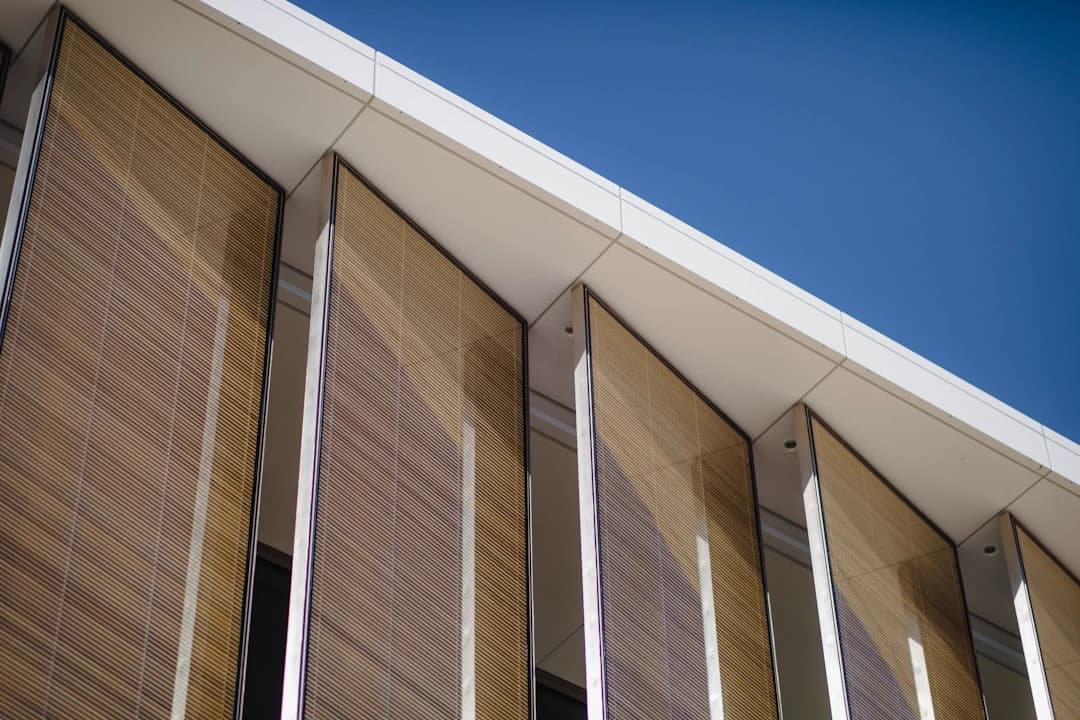
Modern house with a ventilated facade system

Ventilated facade with porcelain stoneware or panels

Performs better where longevity, resilience, and more predictable envelope behavior matter, provided the substructure and junctions are properly resolved.

Appropriate for modern homes and buildings where longevity and minimal visual wear are priorities.

The substructure, fixings, and interfaces cannot be simplified just to save on the initial budget.

A strong choice for contemporary architecture and long-term use if the budget logic supports a more serious system and precise installation.

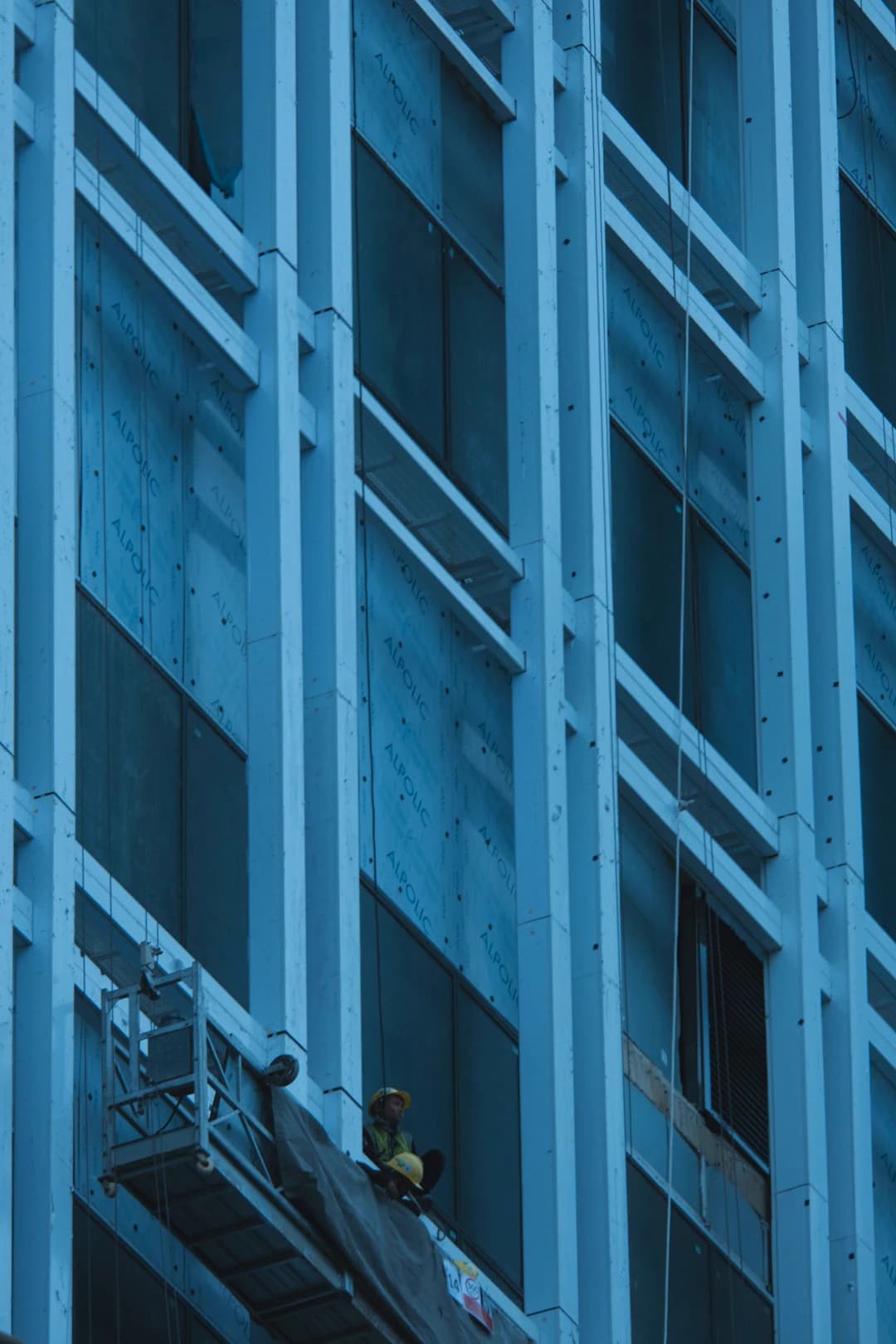
Facade system installation and quality control on site

Wood and combined facades

They create a warmer, more individual image, help zone the volume, and add tactility, but require a particularly honest discussion about maintenance and material interfaces.

Suitable for houses where the architecture relies on materiality, rhythm, and a deliberate set of two or three facade textures.

The more materials and interfaces you add, the higher the demands on detailing, installation sequence, and future maintenance.

Combinations work convincingly when the architecture is disciplined and the materials are coordinated as one system, not as a collection of attractive samples.

What is really worth checking when comparing

  • How the material works on your exact substrate and facade geometry
  • What happens with moisture, joints, reveals, and transitions between materials
  • What maintenance is required after a few seasons and who will handle it
  • What is included in the price beyond the material itself and the visible facade plane

How to make a stronger facade decision

Before choosing a contractor and the final material, it helps to go through a short decision-support checklist. It quickly filters out solutions that only look good in references.

What to discuss before choosing a material

These are the basic questions without which any sample board stays purely decorative.

  • What the walls are made of, what their geometry is, and whether extra preparation is needed
  • Which facade zones are most exposed to sun, moisture, dust, and wind
  • Whether there are complex interfaces, projections, terraces, plinth shifts, or mixed materials

How to compare offers correctly

An estimate only becomes meaningful when the system scope and responsibility zones are visible.

  • Look not only at the cost per m², but also at the list of junctions, trims, and preparatory works
  • Check whether geometry control, moisture protection, and finishing interfaces are included
  • Compare not materials in isolation, but the full execution system and responsibility for the result

When a real consultation is needed

The right time to move to a consultation is not when a sample looks good, but when you need to assemble a whole solution for the house.

  • When you need to understand which material fits your substrate and architecture
  • When there are two or three options but their real behavior in use is still unclear
  • When maintenance, durability, and real budget logic need to be evaluated in advance

Why a facade consultation matters more than a quick calculation

Facades rarely benefit from an early calculation without a site visit, photos of the object, or at least an honest discussion about the house structure. In that case, the number may come quickly, but it remains uncontrolled in both quality and scope.

It is far more useful to define the right system first and only then calculate the cost. That is when budget logic, appearance, and durability stop conflicting with one another.

Where to go next

If you want to move from general understanding to a practical route, these are the closest pages and actions around the facade topic.

Need to compare material, house, and budget without avoidable mistakes?

Send us a facade photo, a project file, or a few references. We will help determine which solutions are appropriate for your house and which only look good in someone else's example.