


Office Building Design in Almaty
Bereke Group designs office buildings with attention to planning efficiency, circulation logic, workplace functionality, engineering coordination, and implementation readiness. We understand that an office must work as a business environment, not just look presentable.

Office projects with a systematic approach to layout, engineering, and business use-case
Why office building design is critical for business
Planning quality determines how effectively the office supports operations, team comfort, and future flexibility
Workplace efficiency and usability
Proper layout determines how effectively the space supports workflows, inter-department communication, privacy, and collaboration zones.
Circulation, entry groups, and internal movement
Smart organization of lobby, vertical circulation, privacy zoning, and user flow affects employee and visitor comfort, logistics, and security.
Engineering readiness and technical coordination
Coordinating ventilation, climate control, electrical, IT infrastructure, lighting, and other systems is critical for comfort, energy efficiency, and reliable operation.
Future operational comfort and flexibility
Planning with replanning, business scaling, and new use-case adaptation in mind reduces future reorganization costs.
Budget predictability and implementation quality
Clear documentation, coordination of structure and engineering, and construction readiness reduce risks of redesigns, delays, and budget overruns.
An office building is not just an architectural object — it's a business-critical workspace. Weak planning creates operational problems, reduces team productivity, and leads to costly corrections. A well-thought-out project lays the foundation for effective business operation for years.
What gets resolved in an office building project
Specific planning tasks for office objects — from site analysis to completed documentation
Site or space analysis and constraints
Studying site conditions, boundaries, existing utilities, access, parking, regulatory requirements, and surroundings to understand potential and constraints.
Floor logic and layout decisions
Designing the floorplate with open/closed office zones, meeting rooms, collaboration areas, kitchen, rest zones, and optimal use of space in mind.
Circulation, access, vertical movement, and zoning
Planning lobby, reception, vertical circulation (elevators, stairs), public/private zoning, visitor flow, and employee access for convenience and security.
Workplace scenarios and functional distribution
Adapting the layout to business use-case: team collaboration, focus work, client meetings, support functions, and flexibility for future changes.
Engineering systems and technical coordination
Planning HVAC, ventilation, electrical supply, IT infrastructure, lighting, fire safety, access control, and other technical systems.
Architecture, structure, and documentation
Coordinating architectural decisions, structural scheme, facades, materials, interior logic, and preparing the documentation package.
Implementation readiness
Forming a package for approvals, tenders, and construction with clear specifications, estimates, and readiness for the next phase.
How Bereke designs office objects
A structured route from business brief to an implementable office project, with coordination of all systems
Brief and business use analysis
We study business goals, workspace requirements, number of employees, workflow, special needs (meeting rooms, showroom, lab), budget, and timeline.
Site or space analysis
We evaluate the site or existing space: area, configuration, access, parking, utilities, constraints, surroundings, and potential for office use.
Concept, planning, and workplace logic
We develop the layout concept, zoning, circulation, workplace scenarios, visual identity, and architectural decisions with business needs in mind.
Architecture, structure, and engineering coordination
We synchronize the spatial concept with the structural scheme, HVAC, electrical, IT infrastructure, lighting, fire safety, and other technical systems.
Documentation preparation
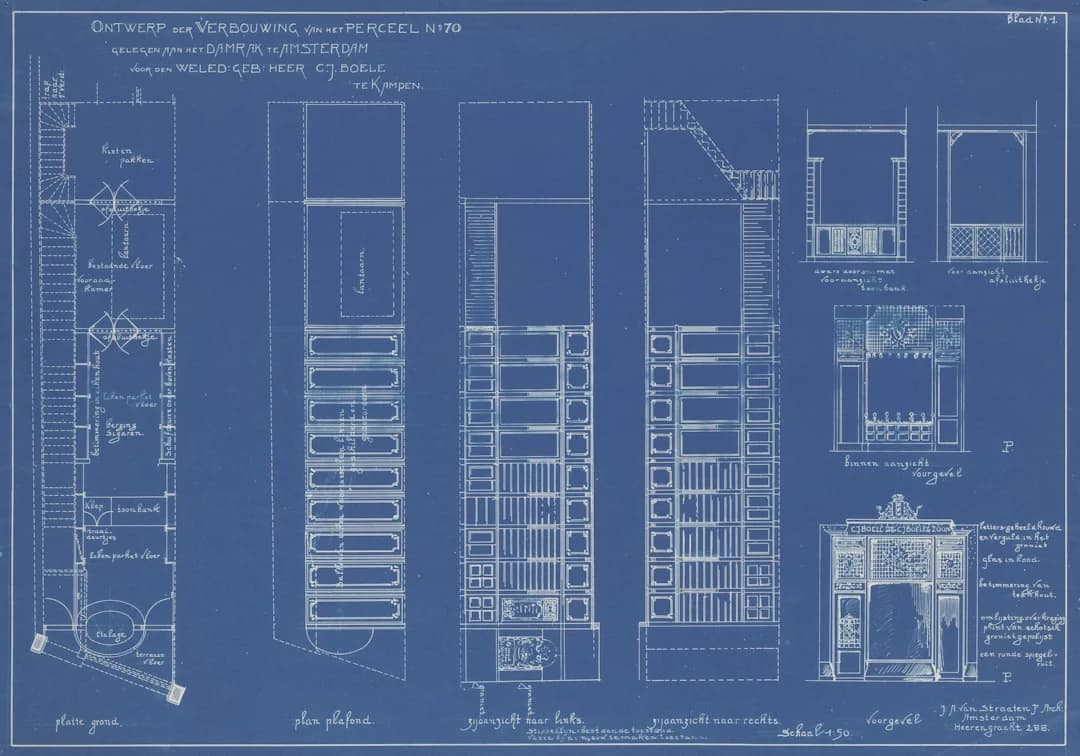
We form the documentation package: floor plans, sections, facades, engineering diagrams, material specifications, estimates for approvals and tenders.
Implementation readiness
We hand over the completed project for construction or renovation. If needed, we support implementation and design supervision to ensure compliance.
Business-aware design approach: we don't just create a visual concept — we plan office space with attention to workplace efficiency, technical systems coordination, and implementation readiness.
Office project examples
Office objects with attention to workplace planning, technical coordination, and business use-case
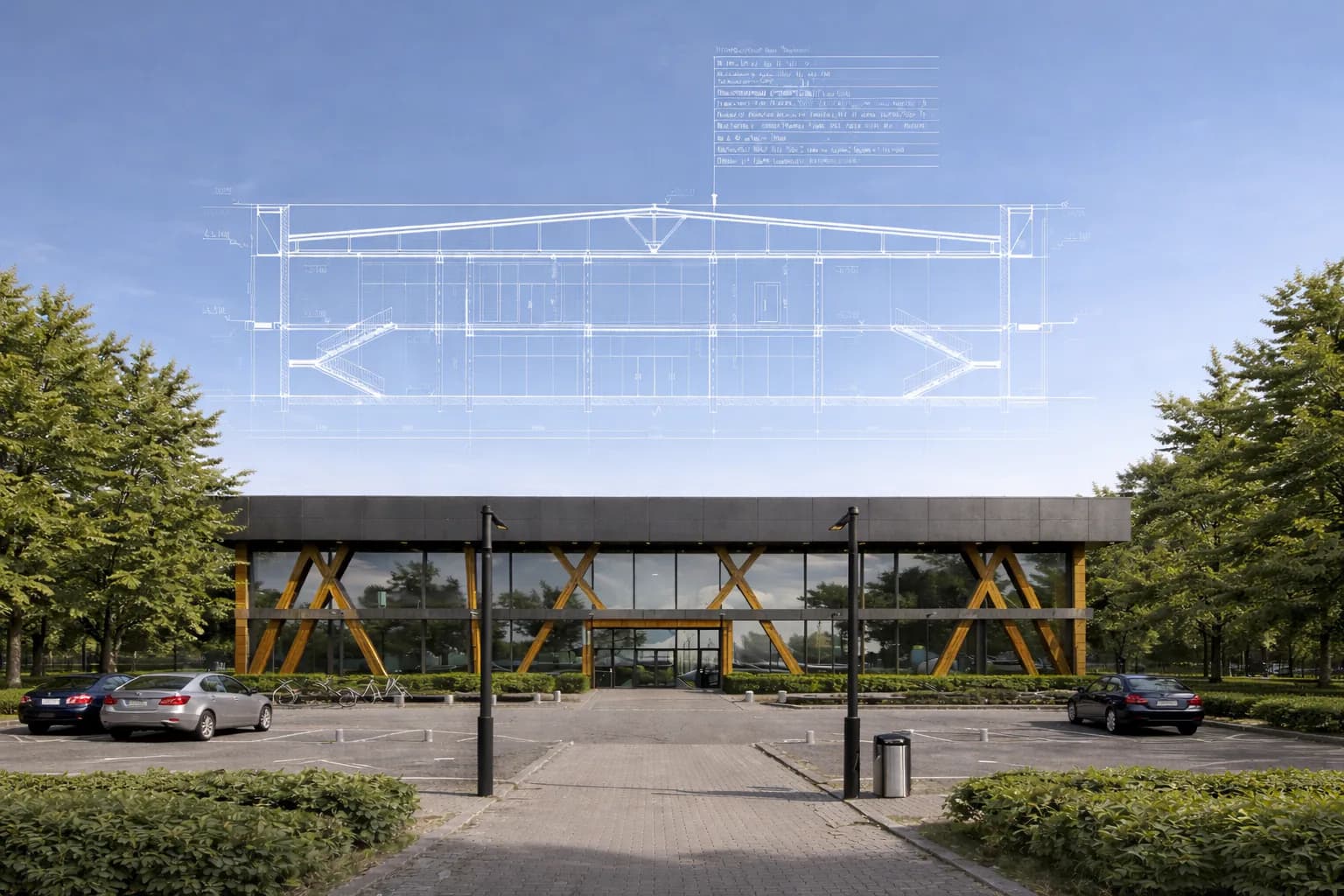
Low-rise office building
Designing an office building with open-plan zones, meeting rooms, collaboration spaces, and efficient circulation, with HVAC and IT infrastructure engineering coordination.
Tech company office
Planning workspace with team zones, quiet work areas, brainstorming rooms, cafe zone, and infrastructure for a tech company with focus on collaboration and flexibility.
Mixed-use business center
Designing an office-business center with flexible floorplates, central lobby, vertical circulation, tenant zones, and infrastructure for the rental model.
Brief, source materials, and estimation logic
What's needed to start, how estimates are formed, and why early clarity matters
What's needed to start a discussion
Information about business goals and office use-case, number of employees and team structure, functional workspace requirements (open-plan, meeting rooms, special zones), site or existing space data (area, plans, photos, access), desired timeline and budget range. The more details — the more accurately we can assess the project.
How estimates are formed for office projects
Design cost depends on the object's area, layout complexity and workplace scenarios, volume of engineering coordination (HVAC, electrical, IT), detail and visualization level, documentation and approval requirements. We form a transparent estimate broken down by phases after receiving the brief.
Why early-stage clarity reduces business risk
Thoughtful planning helps avoid inefficient layouts, circulation problems, engineering errors, and unproductive redesigns. Early identification of constraints, proper coordination of technical systems, and clear documentation reduce the risk of costly corrections during construction and operation.
How the design route connects to future implementation
After design completion you receive a full documentation package for approvals, tenders, and construction/renovation. Bereke can support implementation as a general contractor, in a project management format, or via design supervision to ensure compliance.
Planning logic and technical documentation
Send your project brief
Tell us about business goals, workspace requirements, and site or space data. We'll conduct a preliminary analysis, discuss the layout approach, and prepare a transparent estimate broken down by phases.
Frequently asked questions about office building design
Practical answers on office design process, timelines, costs, and implementation
Discuss your office project
Tell us about business goals, workspace requirements, and site or space data. We'll conduct a preliminary analysis, discuss the layout and engineering approach, and form a transparent estimate considering the project scale and complexity.
Related services
Other commercial design routes