


01
Structural reliability for decades
Monolithic reinforced concrete delivers high load-bearing strength and a service life of 100+ years. The right choice if you're building a multi-generational home and want full confidence in the structure.
In private residential construction, the query concrete house usually means a monolithic reinforced-concrete home. Bereke Group designs and builds such homes in Almaty with engineering control of reinforcement, formwork, concrete works, permits and the full turnkey cycle.
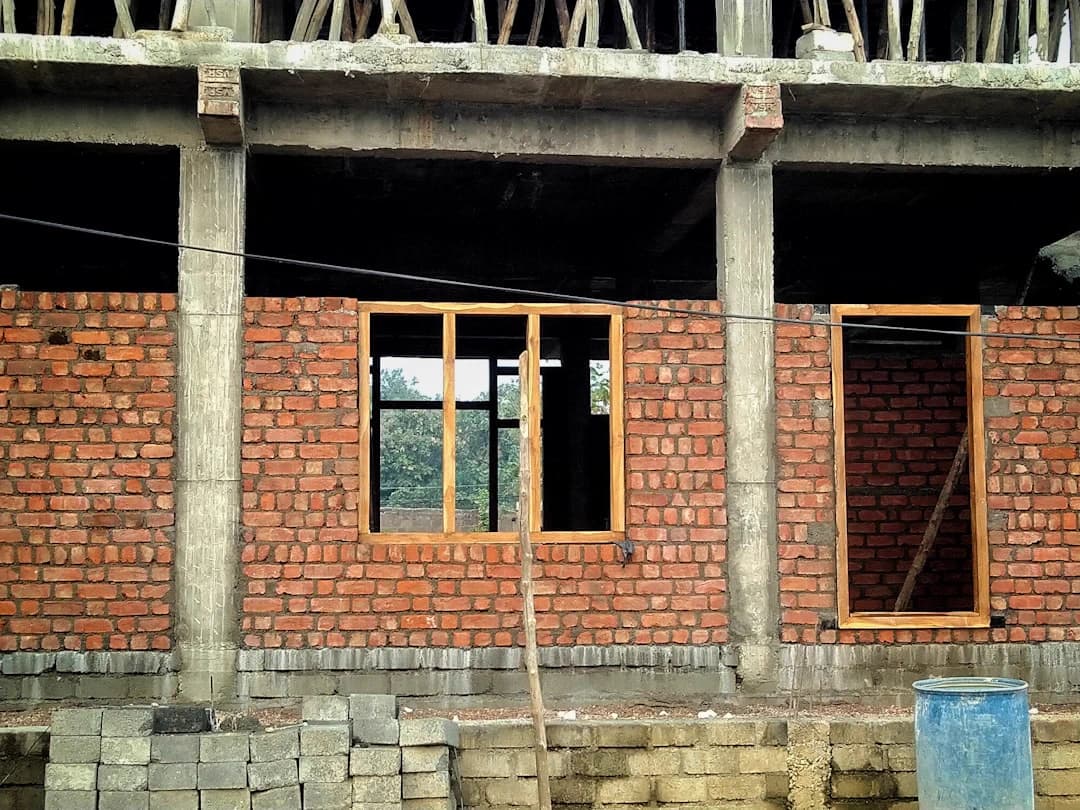
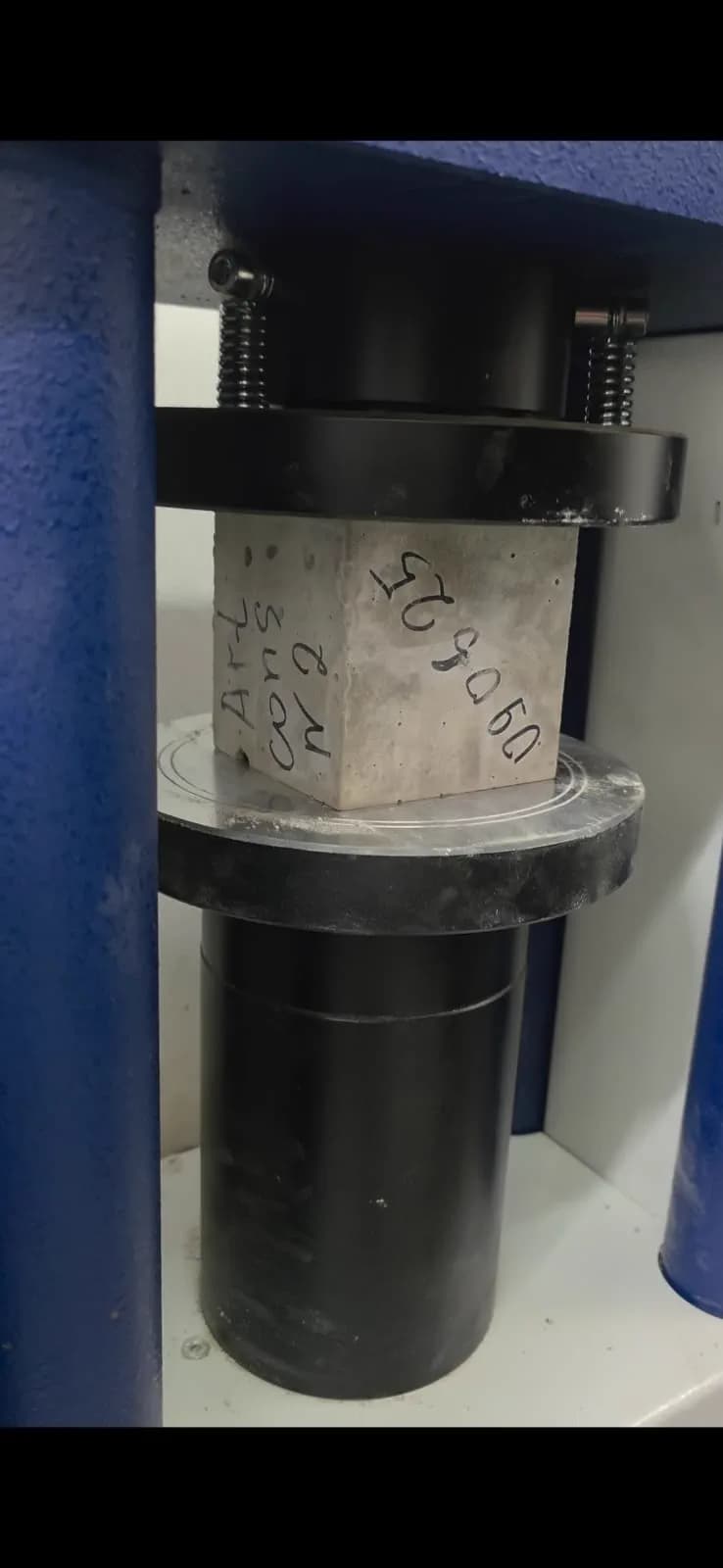
The search intent for concrete house is broader than the engineering term monolithic. In practice, the key question is whether the project truly needs a monolithic reinforced-concrete frame or whether the same objective can be achieved with another technology. We define that at the design stage.
Monolithic reinforced concrete delivers high load-bearing strength and a service life of 100+ years. The right choice if you're building a multi-generational home and want full confidence in the structure.
A correctly reinforced monolithic frame performs well in a seismically active zone. A seamless, joint-free structure distributes loads uniformly across the entire volume.
A monolithic frame allows large spans, non-standard layouts, open-plan spaces, cantilevered elements and complex architectural geometry — without additional load-bearing walls.
If the home's architecture calls for a complex facade, unusual massing, panoramic glazing or site topography challenges — monolithic construction provides the structural flexibility to deliver it.
At the SEO and client-language level, concrete house sounds broader than monolithic house. But at the design level you need precision: which elements are monolithic, how walls and floor slabs are resolved, and how facade and thermal strategy will work. That precision determines the success of the project.
We keep the familiar staged structure, but adapt it to the intent of a concrete house: from design and permits through foundations, the monolithic frame, roofing, facade and a turnkey cost model.

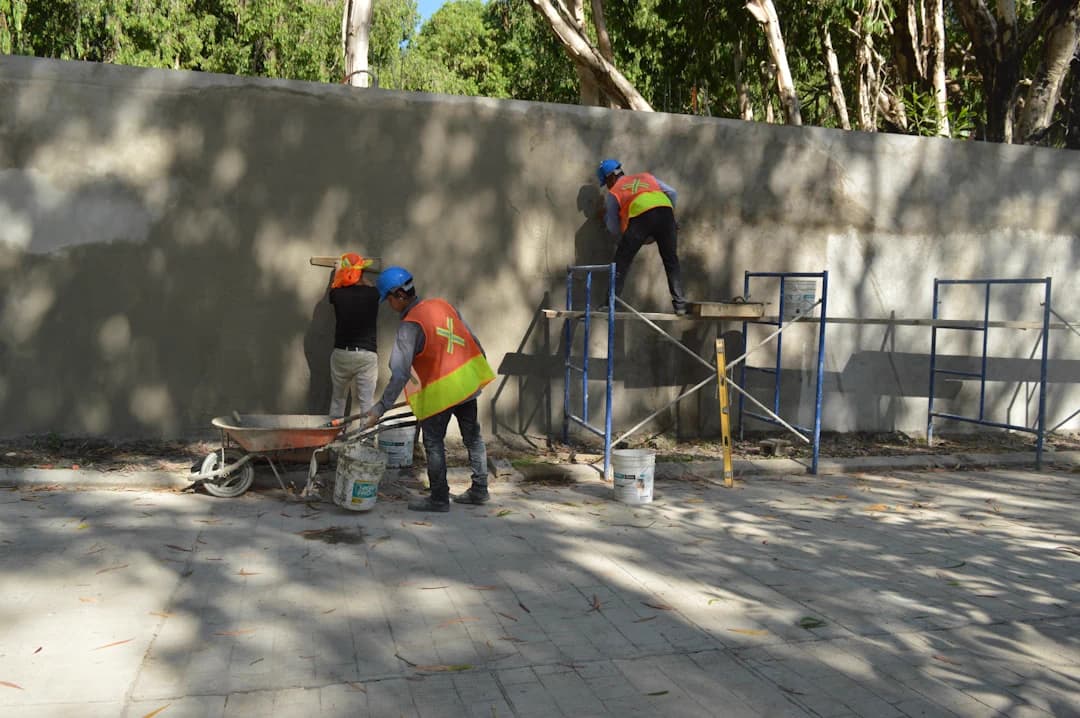
Architectural and structural project with reinforcement calculations, formwork systems, load analysis and seismic resistance. Monolithic construction does not begin without a fully engineered project.
Geotechnical survey, axis setting, earthworks, assembly of the foundation rebar cage, formwork installation, concrete pouring and curing of the foundation slab or strip foundation.
Assembly and inspection of rebar cages for walls, columns and floor slabs per the project drawings. Panel formwork installation with geometry verification. Concealed works are documented with inspection reports and photos.
Concrete placement with controlled delivery, vibrator compaction and observance of technological curing breaks. The sequence of floors and sections follows the project schedule.
Concrete care during the strength-gain period: wetting, covering, temperature management. Control checkpoints with concealed-works reports, technical supervision and progress reports for the client.
After the monolithic frame is complete: roofing, opening infill, facade, engineering systems, interior fit-out — all within a single turnkey contract.
The cost of a concrete home depends on floor area, number of storeys, architectural complexity, concrete and reinforcement volumes, formwork strategy, season, facade package and engineering systems. We estimate from the actual structural scheme, not from a single universal price point.
Every stage is accompanied by photo documentation and concealed-works reports — the client sees progress and quality, not just the final result.
This proof block focuses on real homes where concrete and a monolithic system delivered architectural freedom, structural rigidity and predictable execution quality.
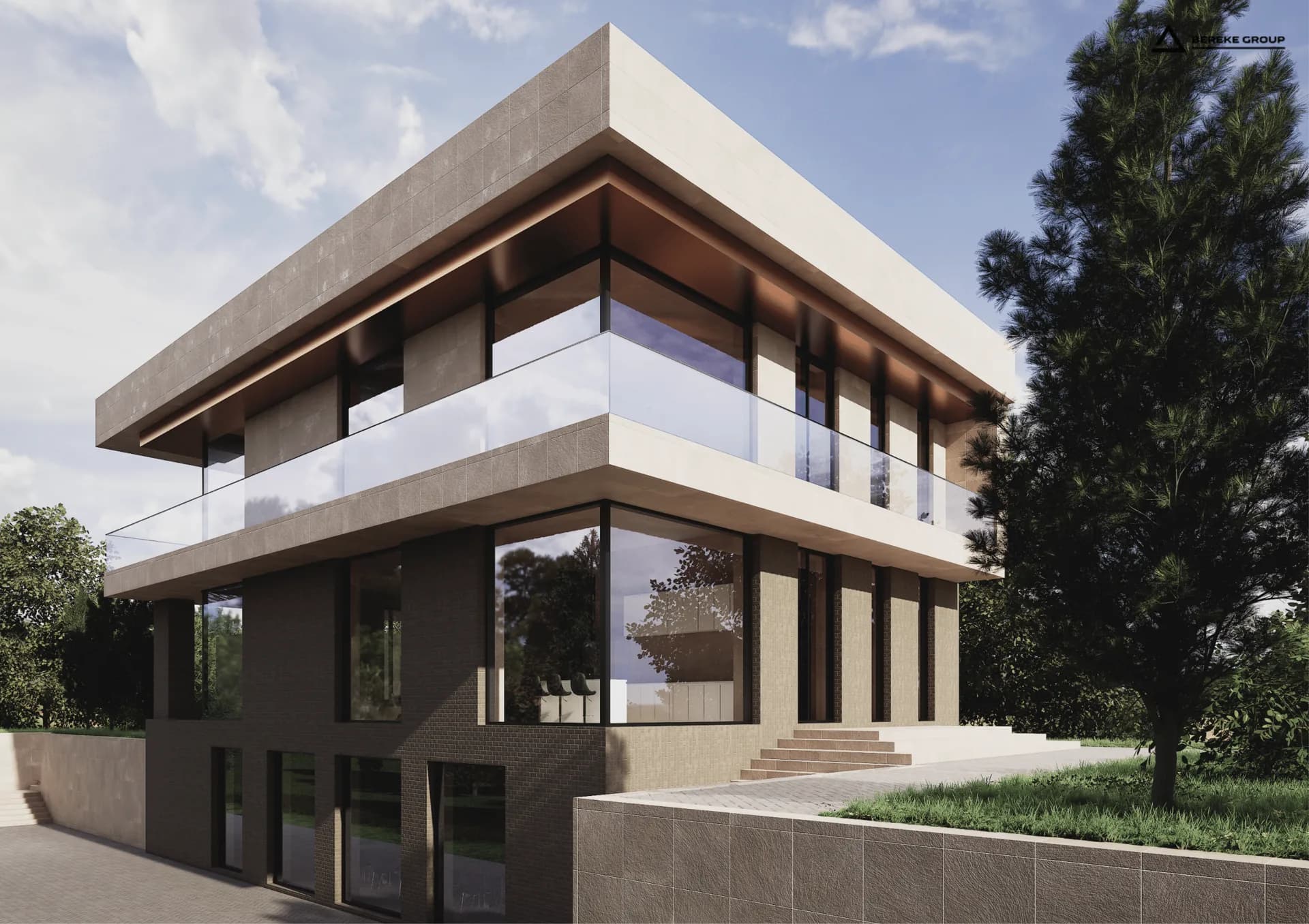
This project expresses the actual intent behind the query concrete house: the client is not searching for the material in isolation, but for a reliable structural system. Here, monolithic reinforced concrete enabled large spans, panoramic glazing and a clean layout without unnecessary load-bearing walls.
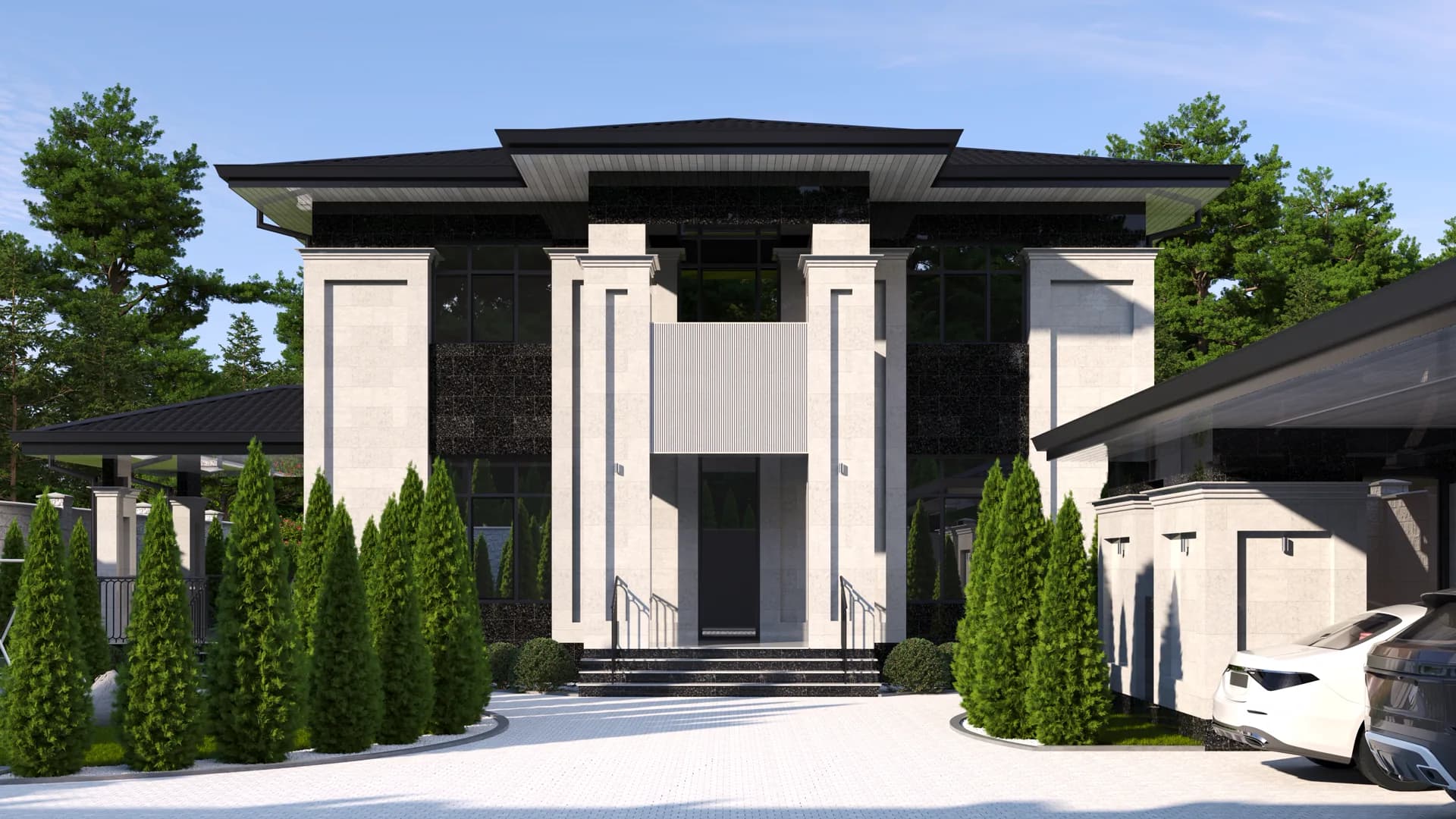
Here a concrete home does not mean a heavy shell for its own sake, but an engineering system that makes complex geometry, cantilevers and precise work with site topography possible. This is the kind of project where a monolithic solution genuinely justifies the concrete-house intent.
A page about concrete homes should explain not only the material's strengths, but the actual engineering logic: where concrete is appropriate in private residential construction and when another technology is the more rational choice.
In private residential construction in Almaty, the query concrete house usually leads to a monolithic reinforced-concrete frame. But this is not just a wording issue: the project must define exactly which elements are monolithic, how walls, insulation and facade are resolved, and whether that system is justified for this specific home.
Answers to the key questions behind the concrete house intent: what it really means, how pricing works, when the technology is justified and how concrete quality is controlled.
In most cases a concrete home means a monolithic reinforced-concrete home. Cost depends on floor area, number of storeys, architectural complexity, concrete and reinforcement volumes, the formwork strategy, facade package, engineering systems and the final handover scope. The accurate figure comes from the approved design and estimate, not from a single generic benchmark.
Tell us about the project, the plot and the architectural brief. We'll help you determine whether you truly need a concrete home with a monolithic structure and prepare a preliminary cost estimate.
Open daily 9:00–20:00 • Consultation and estimate are free