


Aerated Concrete House Construction in Almaty
Bereke Group designs and builds aerated concrete homes on a turnkey basis — faster than monolithic, warmer than brick, with masonry quality control and a fixed budget
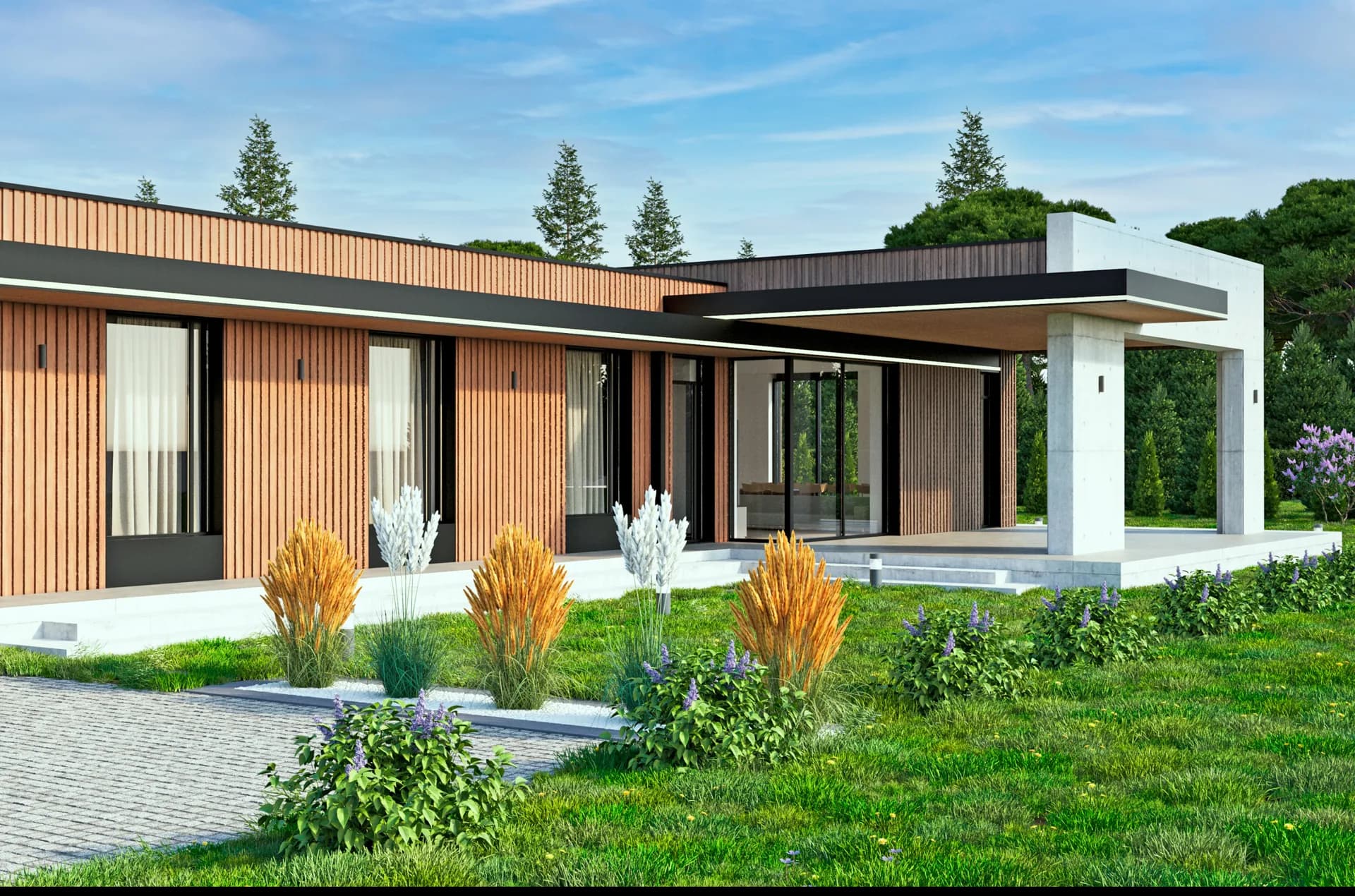
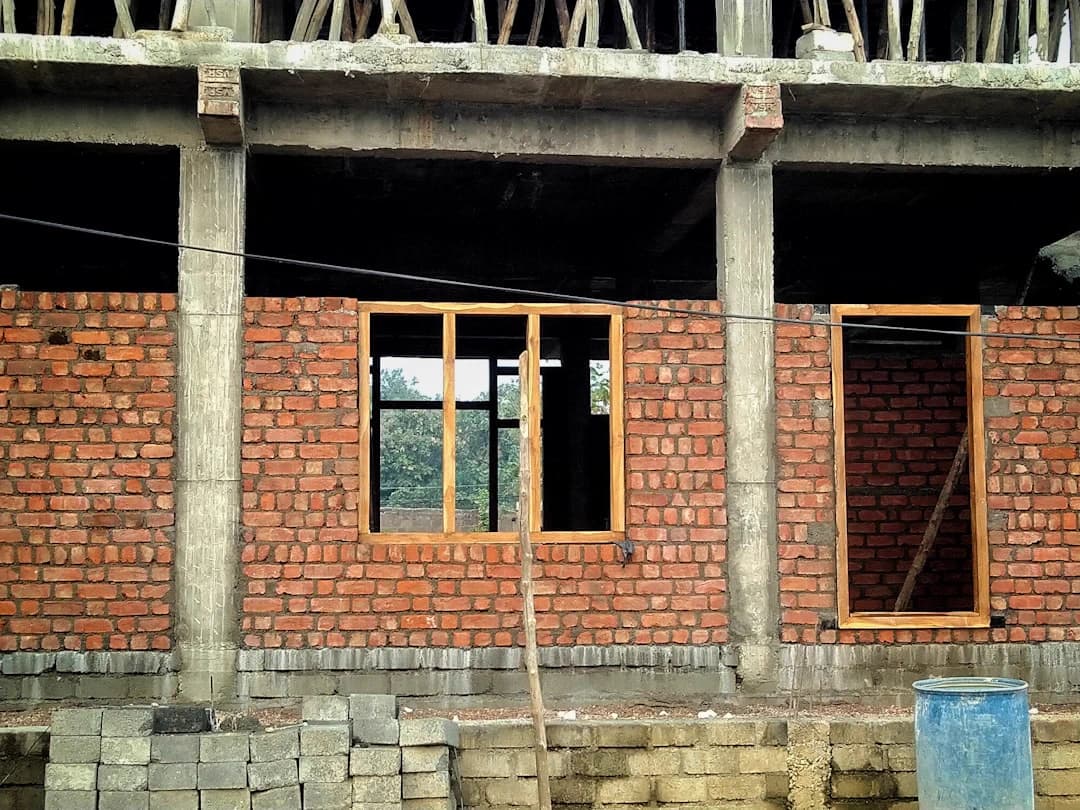
When aerated concrete is the optimal choice
Aerated concrete is the most popular material for private home construction in Almaty. Here's why most clients choose it:
Construction speed
One aerated concrete block replaces 15–20 bricks by volume. Load-bearing walls for a 200–250 m² home are erected in 4–6 weeks. This significantly shortens the overall construction timeline.
High thermal efficiency
Aerated concrete at D400–D500 density provides thermal resistance comparable to a 2.5-brick wall. The home stays warm and heating costs are noticeably lower.
Optimal cost
Aerated concrete homes cost 15–25% less than monolithic construction at comparable floor areas. Less rebar, simpler formwork, lower labour intensity — savings without sacrificing quality.
Lightweight material — simpler foundation
Aerated concrete is 3–5 times lighter than monolithic concrete. This allows lighter, more economical foundation designs on most typical Almaty plots.
However, it does not replace monolithic construction where large open spans, non-standard architecture, or maximum seismic loading are required. If your project needs a monolithic frame, we will tell you honestly.
How Bereke builds an aerated concrete home
70% of an aerated concrete home's quality is determined by masonry discipline. Here is what the real process looks like:
Design and structural solutions
Architectural and structural design with load calculations, reinforcement ring beams, and foundation. A proper design eliminates future cracking and deformation issues.
Foundation for aerated concrete
Foundation selection and construction accounting for aerated concrete's light weight. Most often — a monolithic slab or strip foundation with waterproofing and expansion joints.
First course and layout
The first course is laid on cement-sand mortar with careful horizontal control. The geometry of the entire masonry depends on it — allowable deviation is no more than 2 mm/m.
Thin-joint adhesive laying and reinforcement
Subsequent courses are laid on 1–3 mm thin-layer adhesive — minimising thermal bridges. Every 3–4 courses are reinforced with fibreglass or steel rebar.
Ring beams and lintels
Monolithic reinforced ring beams under floor slabs and along the top of load-bearing walls are mandatory. They ensure structural rigidity and distribute loads from floors and the roof.
Floors, roof, and subsequent stages
After masonry completion: monolithic or precast floors, roof, facade, engineering systems, and interior finishing — all within a single turnkey contract.
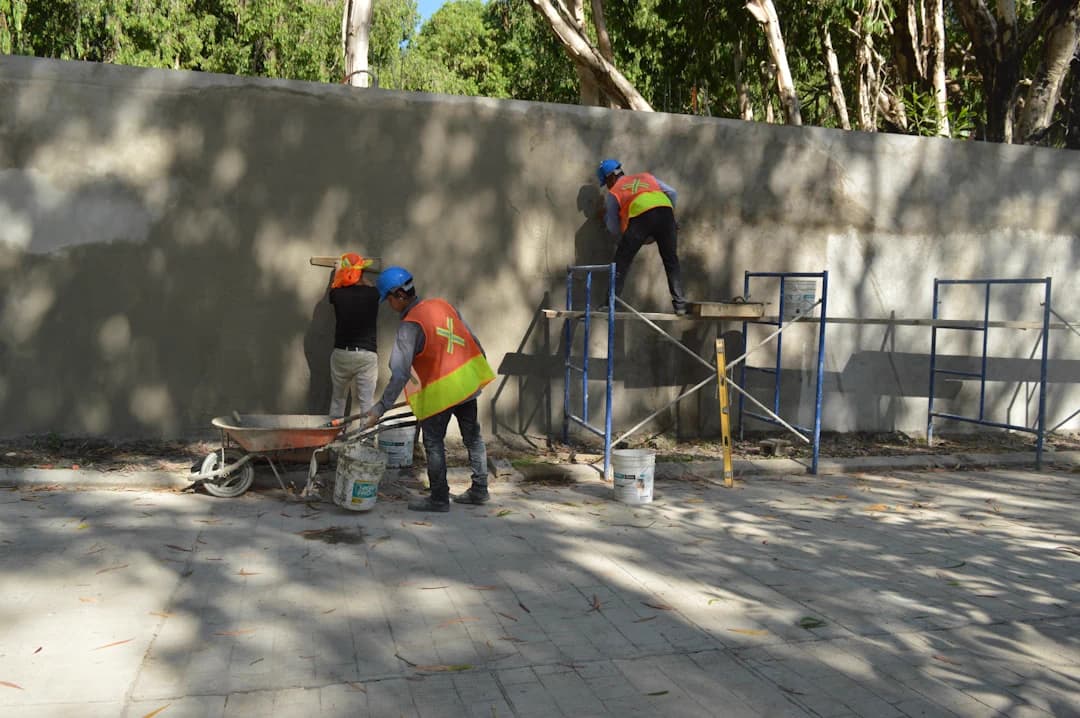
Aerated concrete masonry requires strict adherence to technology — especially the first course and ring beams. Mistakes at this stage cause cracks that cannot be repaired without serious rework.
Completed homes
Completed Bereke Group projects using aerated concrete and gas block
Compact urban house
Two-storey home with aerated concrete load-bearing walls and monolithic floor slabs. Clean facade geometry, high thermal efficiency, built in 8 months.
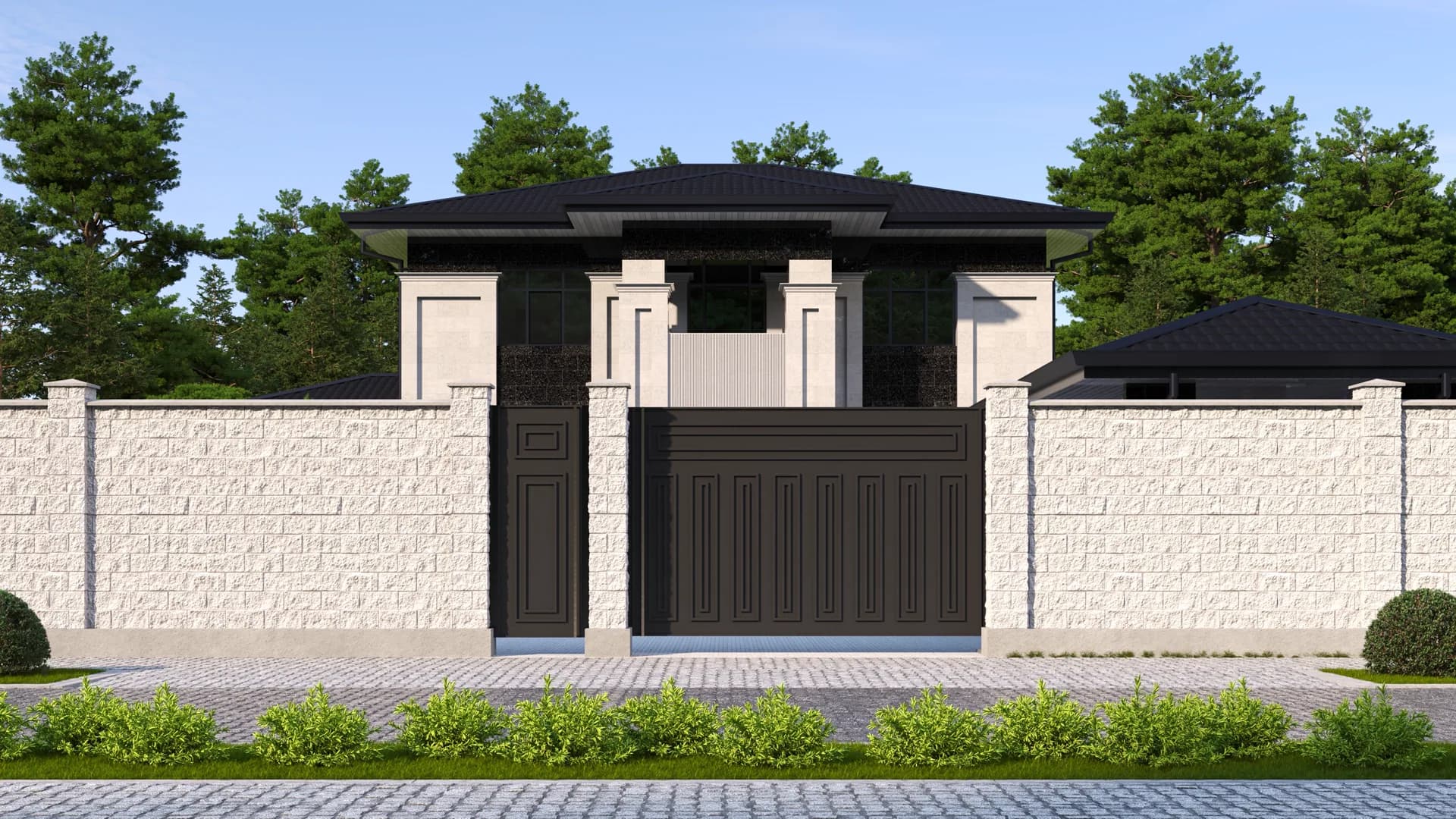
Family home
Spacious family home with aerated concrete structure. Good insulation, comfortable microclimate, wide options for any facade solution.
Benefits, limitations, and comparison with monolithic
Aerated concrete is a strong choice for most private homes. Understanding its limitations helps you make the right decision.
What aerated concrete offers
- Masonry speed: walls in 4–6 weeks
- High thermal efficiency, low heating costs
- Cost 15–25% lower than monolithic construction
- Light weight → more economical foundation
- Precise block geometry → flat walls and thin joints
- Good vapour permeability → healthy indoor climate
What to keep in mind
- Requires moisture protection — facade cannot be left unfinished
- Lower compressive strength than monolithic — not for large spans
- Ring beams and proper masonry reinforcement are required
- If technology is violated — risk of wall cracks
Gas block or monolithic — how to choose?
For most standard private homes, aerated concrete wins on cost and speed. Monolithic is appropriate for complex architecture or large spans. A detailed comparison is in a separate article.
FAQ about aerated concrete house construction
Practical answers to the most common questions
Ready to discuss your aerated concrete home?
Tell us about your project. We will calculate a preliminary cost and help you choose the right structural solution.
Open daily 9:00–20:00 • Consultation and estimate are free